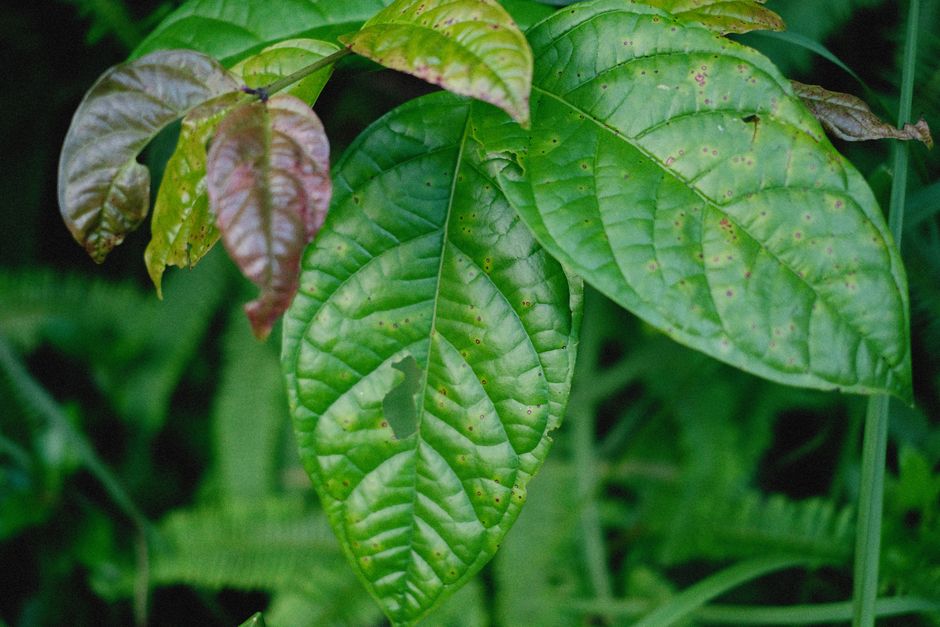
Photo by Markus Winkler on Pexels
Sinomarsdenia Care Guide: Light, Watering, Soil & Essential Tips
Sinomarsdenia
Overview
Sinomarsdenia, a captivating genus within the diverse Apocynaceae family, offers an enchanting addition to any plant collection. These vining plants are primarily cherished for their lush, often glossy foliage, which can range from deep emerald green to variegated patterns, depending on the species. Many Sinomarsdenia species also produce delicate, often fragrant flowers, adding another layer of appeal. Originating primarily from tropical and subtropical regions of Asia, these plants naturally thrive in warm, humid environments where they climb and spread, making them excellent candidates for trellises or hanging baskets in indoor settings.
The allure of Sinomarsdenia lies in its elegant growth habit and the rewarding experience of nurturing a plant that, with proper care, can become a magnificent display. Its vining nature allows for creative training and styling, making each plant a unique living sculpture. People are drawn to Sinomarsdenia for its aesthetic beauty, its potential for attractive blooms, and the satisfaction of cultivating a plant that, while not entirely hands-off, is generally resilient and responsive to attentive care.
This plant is best suited for intermediate growers who possess some experience with tropical houseplants and are willing to observe their plant's specific needs. While not excessively demanding, Sinomarsdenia appreciates consistency in its environment and a watchful eye for early signs of stress. It is an ideal plant for those who enjoy the process of plant care, are attentive to details like humidity and light, and are rewarded by vigorous growth and the occasional bloom. Busy individuals might find its requirements for stable conditions and regular checks a bit challenging, whereas those who enjoy a more hands-on approach to gardening will find Sinomarsdenia to be a deeply satisfying and beautiful companion.
Light Requirements
Sinomarsdenia thrives in bright, indirect light, mimicking its natural habitat where it often grows beneath the canopy of larger trees. This means it requires ample illumination but should be shielded from direct, intense sunlight, especially during the hottest parts of the day. A well-lit room with filtered light or a location near an east-facing window is often ideal, providing gentle morning sun without the risk of scorching.
Ideal Light Conditions: Bright, indirect light is paramount for healthy growth and potential flowering. The plant should be placed where it can receive several hours of diffused sunlight daily. Dappled sunlight, such as that filtered through a sheer curtain, is also highly beneficial.
Signs of Too Much Light:
- Scorched or bleached leaves: Direct, harsh sunlight can cause the leaves to develop yellow, white, or brown patches, indicating sunburn. The edges of the leaves may also become crispy.
- Stunted growth: While light is crucial, excessive direct sun can stress the plant, leading to a slowdown in growth as it struggles to cope with the intensity.
- Fading leaf color: The vibrant green of the foliage may appear washed out or dull.
Signs of Too Little Light:
- Leggy growth: The plant will stretch towards the nearest light source, resulting in elongated stems with widely spaced leaves. This growth habit, known as etiolation, indicates insufficient light.
- Small, sparse leaves: New leaves may emerge smaller than usual and fewer in number, lacking the characteristic lushness.
- Lack of flowering: If the plant is mature enough to flower but fails to produce blooms, inadequate light is a common culprit.
- Dull foliage: The leaves may lose their glossy appearance and appear darker than usual, as if trying to absorb every bit of available light.
Window Placement Tips:
- East-facing window: This is often the most suitable location, offering gentle morning sun that is beneficial without being too intense.
- North-facing window: Provides consistent, soft light throughout the day, which can be adequate in very bright rooms, but may be too dim in darker environments.
- South or West-facing window: If placing near these windows, it is crucial to use sheer curtains or position the plant several feet away from the window to diffuse the intense afternoon sun. Direct exposure can quickly lead to leaf scorch.
- Artificial lighting: For environments lacking sufficient natural light, a grow light can supplement or replace natural light. Full-spectrum LED grow lights placed 30-60 cm (12-24 inches) above the plant for 12-14 hours a day can provide excellent results.
Watering Guide
Proper watering is crucial for the health of Sinomarsdenia, as both overwatering and underwatering can lead to significant stress and decline. The plant prefers consistent moisture but absolutely detests sitting in soggy soil, which can quickly lead to root rot.
Frequency: The general rule of thumb is to allow the top 2.5-5 cm (1-2 inches) of the soil to dry out completely between waterings. This usually translates to watering every 7-14 days, but this can vary significantly based on environmental factors such as temperature, humidity, light intensity, pot size, and soil composition. It is always best to check the soil moisture with a finger or a moisture meter rather than adhering to a strict schedule.
Method:
- Top Watering: Pour water slowly and evenly over the surface of the soil until it begins to drain from the bottom of the pot. Ensure that the entire soil ball is saturated. Discard any excess water that collects in the saucer after about 15-30 minutes to prevent the plant from sitting in standing water.
- Bottom Watering: This method encourages deeper root growth and ensures even saturation. Place the potted plant (with drainage holes) into a larger container filled with about 5-10 cm (2-4 inches) of water. Allow the plant to soak for 20-45 minutes, or until the top of the soil feels moist. Remove the plant and let any excess water drain away completely before returning it to its spot.
Signs of Overwatering:
- Yellowing leaves: Often starting with older, lower leaves, they may turn yellow and become soft or mushy.
- Wilting despite moist soil: The plant may appear to wilt even when the soil is wet, indicating root damage and inability to absorb water.
- Mushy stems or base: The stem near the soil line may become soft, discolored, or develop a foul odor, a clear sign of root rot.
- Fungus gnats: These small flies are attracted to consistently damp soil.
Signs of Underwatering:
- Drooping or wilting leaves: The foliage may appear limp and lifeless, losing its turgidity.
- Crispy or dry leaf edges: Leaves may turn brown and become brittle, especially at the tips and margins.
- Slowed growth: The plant will cease to produce new growth or new leaves will be stunted.
- Lightweight pot: The entire pot will feel noticeably lighter than usual when the soil is dry.
Seasonal Adjustments:
- Growing Season (Spring and Summer): During periods of active growth, higher temperatures, and brighter light, Sinomarsdenia will require more frequent watering. The plant's metabolic rate is higher, consuming water more rapidly.
- Dormancy (Fall and Winter): As temperatures drop and light levels decrease, the plant's growth slows down significantly. Reduce watering frequency considerably during these months. Allow the soil to dry out more thoroughly between waterings to prevent root rot, which is more common when the plant is less active. The goal is to keep the plant hydrated without over-saturating it.
Soil & Potting
The right soil mix and potting strategy are fundamental to the health and vitality of Sinomarsdenia. Given its tropical, vining nature, it requires a substrate that provides both excellent drainage and aeration, while still retaining sufficient moisture and nutrients.
Ideal Soil Mix: A well-draining, airy, and slightly acidic to neutral potting mix is ideal. A good base can be a high-quality houseplant potting mix, which should then be amended with components to enhance drainage and aeration. A suitable blend often includes:
- 50% Standard Potting Mix: Provides basic nutrients and some moisture retention.
- 20-30% Perlite or Pumice: Crucial for improving drainage and preventing soil compaction, allowing roots to breathe.
- 10-20% Orchid Bark or Coco Coir/Chips: Adds aeration, helps to prevent compaction, and retains moisture without becoming waterlogged.
- Optional: 5-10% Worm Castings or Compost: Enriches the soil with organic matter and slow-release nutrients.
Avoid heavy, dense soils that retain too much moisture, as these are a primary cause of root rot. The mix should feel light and crumbly, not dense and muddy, when wet.
Drainage Requirements: Exceptional drainage is non-negotiable for Sinomarsdenia.
- Drainage Holes: The pot must have drainage holes at the bottom to allow excess water to escape. Without them, water will accumulate, leading to anaerobic conditions and root rot.
- No Drainage Layer: Contrary to old advice, adding a layer of pebbles or broken pot pieces at the bottom of a pot with drainage holes does not improve drainage. It actually creates a "perched water table," which can keep the soil above it wetter for longer, exacerbating drainage issues.
Pot Material Recommendations: The choice of pot material can influence watering frequency and overall plant health.
- Terracotta/Clay Pots: These are porous, allowing air and moisture to pass through their walls. They promote faster drying of the soil, which can be beneficial for growers prone to overwatering or in very humid environments. However, they may require more frequent watering.
- Plastic Pots: These retain moisture for longer periods due to their non-porous nature. They are a good choice for growers who tend to underwater, live in drier climates, or for plants that prefer consistently moist soil (though Sinomarsdenia prefers to dry out slightly). They are also lighter and often more affordable.
- Ceramic Pots (Glazed): Similar to plastic in terms of moisture retention but are heavier and often more aesthetically pleasing. Ensure they have adequate drainage holes.
Pot Size Guide:
- Slightly Snug: Sinomarsdenia often prefers to be slightly root-bound rather than in an excessively large pot. A pot that is too large holds too much soil, which can retain excess moisture and increase the risk of root rot.
- Repotting Frequency: Repotting is typically needed every 1-2 years, or when the plant shows signs of being root-bound (roots circling the pot, water running straight through, slowed growth).
- Gradual Increase: When repotting, increase the pot size gradually, usually by only one size (e.g., from a 15 cm/6-inch pot to a 17.5-20 cm/7-8-inch pot). This provides enough new space for root growth without overwhelming the plant with too much moist soil.
- Support Structures: For vining Sinomarsdenia, consider a pot that can accommodate a trellis, moss pole, or other support structure from the start, or plan to add one during repotting.
Temperature & Humidity
Sinomarsdenia, being a tropical plant, thrives in warm and humid conditions, which are crucial for its lush foliage and potential flowering. Replicating its native environment as closely as possible will ensure optimal health and vigorous growth.
Ideal Temperature Ranges: Sinomarsdenia prefers consistent warmth.
- Daytime Temperature: The ideal daytime temperature range is between 18°C and 29°C (65°F to 85°F).
- Nighttime Temperature: Nighttime temperatures can drop slightly but should ideally remain above 15°C (60°F).
- Avoid Extremes: The plant is sensitive to sudden temperature fluctuations and cold drafts. Avoid placing it near exterior doors, drafty windows, or air conditioning/heating vents that can cause rapid changes. Temperatures below 10°C (50°F) can cause significant stress, leading to leaf drop, stunted growth, and potentially death.
Seasonal Considerations:
- Year-Round Warmth: It is important to maintain stable, warm temperatures throughout the year, even during winter months when growth may slow. If indoor temperatures drop significantly in winter, consider supplemental heating to keep the plant comfortable.
- Outdoor Placement (Summer): In regions with consistently warm summer nights, Sinomarsdenia can be moved outdoors to a shaded or dappled light location. However, ensure nighttime temperatures do not fall below 15°C (60°F) and bring the plant indoors well before the first frost.
Ideal Humidity Percentages: High humidity is a key factor for Sinomarsdenia's well-being, reflecting its tropical origins.
- Preferred Range: The plant thrives in humidity levels between 60% and 80%. Humidity below 50% can lead to problems.
- Signs of Low Humidity: Dry, crispy leaf edges, browning leaf tips, stunted growth, and increased susceptibility to pests like spider mites are common indicators of insufficient humidity.
How to Boost Humidity if Needed: Most indoor environments, especially during winter with central heating, have much lower humidity than Sinomarsdenia prefers. Several methods can help increase the surrounding humidity:
- Humidifier: The most effective way to consistently maintain high humidity is to use a dedicated room humidifier. A cool-mist humidifier placed near the plant can significantly raise local humidity levels.
- Pebble Trays: Place the potted plant on a shallow tray filled with pebbles and water. Ensure the bottom of the pot does not sit directly in the water, as this can lead to root rot. As the water evaporates, it increases the humidity around the plant.
- Grouping Plants: Plants release moisture through transpiration, so grouping several plants together can create a localized microclimate with higher humidity.
- Misting (Limited Effectiveness): While misting the leaves can provide a temporary boost of humidity, it is generally not sufficient to meet the plant's long-term needs and can sometimes encourage fungal issues if the leaves remain wet for too long. If misting, do so in the morning to allow leaves to dry.
- Terrariums or enclosed spaces: For smaller Sinomarsdenia specimens, growing them in a terrarium or a cloche can create a high-humidity environment.
Maintaining stable temperatures and high humidity will greatly contribute to a thriving and beautiful Sinomarsdenia.
Fertilizing
Fertilizing Sinomarsdenia provides essential nutrients to support vigorous growth, healthy foliage, and abundant flowering. However, like all aspects of plant care, it requires a balanced approach to avoid over-fertilization, which can be detrimental.
Type of Fertilizer: Sinomarsdenia generally benefits from a balanced liquid fertilizer, or one with a slightly higher phosphorus content to encourage blooming if the plant is mature and receiving adequate light.
- Balanced Liquid Fertilizer: A fertilizer with an NPK ratio like 10-10-10 or 20-20-20 is suitable for general growth.
- Bloom-Boosting Fertilizer: If the primary goal is to encourage flowering, a fertilizer with a higher middle number (phosphorus), such as 10-20-10, can be used.
- Organic Options: Worm castings or a diluted organic liquid feed (like fish emulsion or kelp extract) can also be beneficial, providing a more gentle and slow-release nutrient source.
- Dilution: Always dilute liquid fertilizers to half or even quarter strength of the manufacturer's recommendations. This reduces the risk of chemical burn to the roots.
Frequency: The frequency of fertilization depends heavily on the plant's growth cycle.
- Growing Season (Spring and Summer): This is the period of active growth when the plant is putting out new leaves and potentially flowers. Fertilize every 2 to 4 weeks during these months. Consistent, moderate feeding is better than infrequent, heavy doses.
- Dormancy (Fall and Winter): As light levels decrease and temperatures potentially drop (even indoors), Sinomarsdenia typically enters a period of reduced growth or semi-dormancy. Fertilization should be significantly reduced or stopped entirely during these months. The plant's nutrient needs are minimal, and excess fertilizer can accumulate in the soil, leading to root burn. Resume fertilization in spring when new growth appears.
Tips for Fertilizing:
- Water Before Fertilizing: Always water the plant thoroughly before applying liquid fertilizer. Applying fertilizer to dry soil can shock the roots and cause burn.
- Observe Your Plant: Pay attention to your plant's response. If leaves start to yellow or brown at the tips after fertilizing, it might be a sign of over-fertilization. Flush the soil with plain water to wash out excess salts if this occurs.
- Fresh Soil: If the plant has been recently repotted into fresh potting mix, it will have sufficient nutrients for several weeks (usually 4-6 weeks), so delay initial fertilization.
Common Problems
Even with the best care, Sinomarsdenia can sometimes encounter issues. Recognizing the symptoms, understanding their causes, and knowing the solutions are key to maintaining a healthy plant.
1. Pests: Mealybugs and Spider Mites
- Symptoms:
- Mealybugs: Small, white, cottony masses found in leaf axils, along stems, and on the undersides of leaves. Leaves may turn yellow, drop, or become distorted. A sticky residue (honeydew) may be present, often leading to sooty mold.
- Spider Mites: Tiny red, brown, or black specks on leaves, often accompanied by fine webbing, especially on the undersides of leaves and in leaf axils. Leaves may appear stippled, discolored (yellow or bronzed), and eventually drop.
- Causes: Pests are often introduced on new plants, through open windows, or from contact with infested plants. Dry, low-humidity conditions particularly favor spider mites.
- Solutions:
- Isolation: Immediately isolate the infested plant to prevent spread.
- Manual Removal: For mealybugs, dab them directly with a cotton swab dipped in rubbing alcohol. For spider mites, forcefully spray the plant with water to dislodge them.
- Insecticidal Soap/Neem Oil: Apply an insecticidal soap or horticultural neem oil solution to all plant surfaces, including undersides of leaves and stems. Repeat every 5-7 days for several weeks to break the pest life cycle.
- Increase Humidity: For spider mites, increasing humidity can help deter them.
2. Root Rot
- Symptoms:
- Yellowing and wilting of leaves, even though the soil is wet.
- Foul odor emanating from the soil.
- Mushy, dark brown, or black roots when inspected.
- Stunted growth or sudden collapse of the plant.
- Causes: Primarily caused by overwatering and/or poorly draining soil. When roots sit in waterlogged soil, they are deprived of oxygen, leading to decay by fungal or bacterial pathogens.
- Solutions:
- Inspect Roots: Carefully remove the plant from its pot and inspect the roots.
- Trim Affected Roots: With clean, sharp shears, cut away any soft, mushy, or discolored roots until only healthy, firm, white roots remain.
- Repot: Repot the plant into fresh, well-draining soil mix and a clean pot (or one sterilized with a 10% bleach solution).
- Adjust Watering: Drastically reduce watering frequency and ensure the top 2.5-5 cm (1-2 inches) of soil dries out before watering again. Ensure the pot has adequate drainage holes.
3. Leggy Growth and Lack of Flowering
- Symptoms:
- Long, stretched stems with widely spaced leaves (leggy growth).
- Smaller than usual leaves.
- Failure to produce flowers, even on a mature plant.
- Causes: Insufficient light is the most common cause. Lack of adequate nutrients or proper environmental conditions (temperature, humidity) can also contribute.
- Solutions:
- Increase Light: Move the plant to a brighter location with more indirect light. If natural light is limited, supplement with a grow light for 12-14 hours daily.
- Pruning: Prune back leggy stems to encourage bushier growth. New growth will emerge from the nodes below the cut.
- Fertilize: Ensure the plant is receiving appropriate fertilization during its growing season, especially if flowering is desired (use a bloom-boosting fertilizer).
- Environmental Check: Confirm that temperature and humidity levels are within the ideal range for Sinomarsdenia.
4. Leaf Drop and Yellowing
- Symptoms: Leaves turn yellow, brown, or develop spots, and then fall off the plant. This can affect older or newer leaves, depending on the cause.
- Causes: This is a general symptom that can be caused by a variety of stresses:
- Overwatering/Underwatering: As described above, both extremes can lead to leaf yellowing and drop.
- Temperature Stress: Sudden drops in temperature, cold drafts, or extreme heat can shock the plant.
- Low Humidity: Dry air can cause leaves to crisp and drop.
- Nutrient Deficiency: Lack of essential nutrients, especially nitrogen, can cause overall yellowing.
- Pests: As mentioned, severe pest infestations can also lead to leaf discoloration and drop.
- Transplant Shock: After repotting, plants may temporarily drop leaves as they adjust.
- Solutions:
- Diagnose the Root Cause: Carefully review all care parameters (watering, light, temperature, humidity, fertilization) to identify the specific stressor.
- Adjust Care: Correct the identified issue. For example, adjust watering frequency, move the plant to a more stable environment, or increase humidity.
- Pest Control: If pests are present, treat them promptly.
- Provide Consistent Care: Stability in environmental conditions is key to preventing leaf drop.
Frequently Asked Questions
Q: Is Sinomarsdenia toxic to pets?
Sinomarsdenia, like many plants in the Apocynaceae family, contains sap that can be irritating or toxic if ingested. It is generally recommended to keep this plant out of reach of pets and small children.
Q: How do I propagate Sinomarsdenia?
Sinomarsdenia can be readily propagated from stem cuttings. Take 10-15 cm (4-6 inch) cuttings with at least 2-3 nodes, remove the lower leaves, and root them in water, moist perlite, or a well-draining potting mix. Keep the cuttings in a warm, humid environment with bright, indirect light until roots develop.
Q: Why isn't my Sinomarsdenia flowering?
Lack of flowering is most often due to insufficient light, but it can also be caused by immature plant age, inconsistent watering, low humidity, or a lack of phosphorus in the fertilizer. Ensure the plant receives ample bright, indirect light, is adequately hydrated, enjoys high humidity, and is fed with a bloom-boosting fertilizer during its growing season.
Q: How often should I prune my Sinomarsdenia?
Pruning can be done annually, typically in spring, to maintain shape, encourage bushier growth, or manage its vining habit. Remove any leggy, damaged, or yellowing stems. Regular light pruning helps the plant stay compact and vigorous.