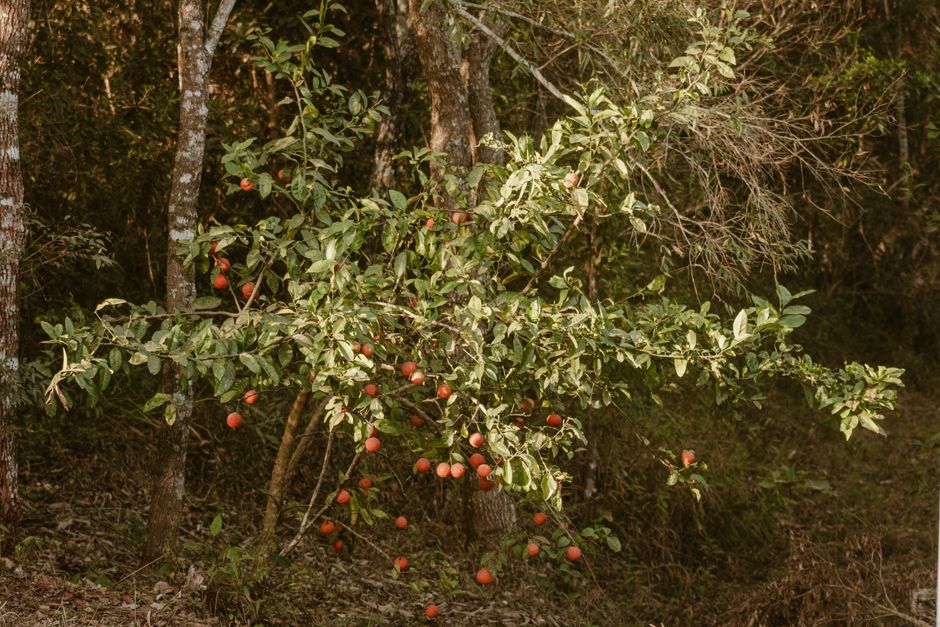
Photo by Lucas Pezeta on Pexels
Triplosperma Care Guide: Light, Watering, Soil & Essential Tips
Triplosperma
Overview
Triplosperma, a captivating genus within the diverse Apocynaceae family, is cherished by plant enthusiasts for its distinctive foliage, elegant growth habit, and often fragrant, delicate blooms. Originating from the tropical and subtropical regions of Africa and Asia, these plants typically manifest as woody climbers, shrubs, or small trees in their native habitats, bringing a touch of exotic allure to any indoor collection. What makes Triplosperma particularly special is its unique aesthetic appeal – some species boast glossy, deep green leaves with intricate venation, while others might feature more variegated or unusually shaped foliage, creating a living sculpture that evolves with careful cultivation.
The allure of Triplosperma lies in its ability to transform a living space, offering a sophisticated botanical statement. Its often vigorous yet manageable growth, coupled with the potential for stunning floral displays, makes it a rewarding plant for those willing to understand its specific needs. People are drawn to Triplosperma not just for its beauty but also for the satisfying challenge it presents; successfully cultivating this plant indoors is a testament to a grower's dedication and skill.
While not an entry-level plant, Triplosperma is also not exclusively for botanical experts. It suits attentive intermediate to advanced growers who are willing to observe their plant closely and respond to its cues. Individuals who enjoy a structured care routine and derive pleasure from nurturing unique specimens will find Triplosperma to be an excellent companion. It thrives under consistent care rather than sporadic attention, making it an ideal choice for the dedicated plant parent who appreciates the nuanced journey of plant cultivation. Its exotic charm and the sense of achievement it offers make Triplosperma a truly special addition to a well-curated indoor garden.
Light Requirements
Providing the optimal light conditions is paramount for the health and vitality of Triplosperma. These tropical plants naturally thrive under the dappled sunlight of a rainforest canopy, translating to a preference for bright, indirect light when grown indoors. Sufficient light encourages robust growth, vibrant foliage coloration, and is crucial for the plant's potential to produce its characteristic blooms.
Ideal Light Conditions: Triplosperma flourishes in locations that receive ample ambient light without direct exposure to harsh, unfiltered sun. Bright, indirect light means the plant is situated where it can perceive the sky clearly but is shielded from the direct rays of the sun, especially during the intense midday and afternoon hours. An east-facing window is often considered ideal, as it provides gentle morning sun which is less intense and beneficial, followed by bright indirect light for the remainder of the day. A north-facing window can also be suitable, offering consistent, softer light, though growth might be slightly slower. South or west-facing windows can work, but only if the light is significantly diffused by a sheer curtain or positioned several feet back from the window to prevent scorching.
Signs of Too Much Light:
- Scorched or bleached leaves: Direct, intense sunlight can burn the delicate foliage, leading to unsightly brown or white patches on the leaves.
- Fading leaf color: The vibrant green (or other characteristic hues) of the leaves may appear washed out or dull.
- Stunted growth: While counterintuitive, excessive light can stress the plant, causing it to expend energy on protection rather than growth.
Signs of Too Little Light:
- Leggy growth: The plant may stretch and develop elongated stems with sparse foliage, as it attempts to reach for a light source.
- Small, pale leaves: New leaves may emerge smaller than usual and exhibit a paler green color due to insufficient chlorophyll production.
- Lack of flowering: If Triplosperma is a flowering species, inadequate light is a primary reason it may fail to produce buds or blooms.
- Overall lack of vigor: The plant may appear weak, listless, and more susceptible to pests and diseases.
Window Placement Tips:
- East-facing window: Excellent choice for balanced morning sun and bright indirect light.
- North-facing window: Provides consistent, gentle light; suitable if brighter options are unavailable, though supplemental lighting might be beneficial in darker environments.
- South or West-facing window: Requires careful management. Place the plant several feet away from the window, or use sheer curtains, blinds, or other plants as natural diffusers to protect Triplosperma from intense afternoon sun.
- Artificial lighting: If natural light is insufficient, full-spectrum LED grow lights can be a beneficial supplement, positioned 30-60 cm (12-24 inches) above the plant for 10-12 hours daily. This can be particularly helpful during darker winter months or in dimly lit homes. Rotating the plant periodically will ensure even light exposure and symmetrical growth.
Watering Guide
Proper watering is a critical aspect of Triplosperma care, directly impacting root health and overall plant vigor. As a tropical plant, it appreciates consistent moisture but is highly susceptible to the dangers of overwatering. The key is to strike a balance, allowing the soil to partially dry out between waterings.
Frequency: The general rule for Triplosperma is to water thoroughly when the top 2.5-5 cm (1-2 inches) of the soil feels dry to the touch. This typically translates to watering every 7-10 days during the active growing season (spring and summer), but this frequency can vary significantly based on environmental factors such as temperature, humidity, light intensity, pot size, and soil composition. In warmer, brighter conditions, the plant may require more frequent watering, perhaps every 5-7 days. In cooler, less bright conditions, it might stretch to every 10-14 days or even longer. Always check the soil moisture before watering rather than adhering strictly to a schedule.
Method (Top vs. Bottom Watering):
- Top Watering: This is the most common method. Pour water evenly over the soil surface until it begins to drain freely from the pot's drainage holes. Ensure the entire root ball is saturated. Discard any excess water collected in the saucer after 15-20 minutes to prevent the roots from sitting in standing water, which can lead to root rot.
- Bottom Watering: This method can be very effective for Triplosperma as it encourages roots to grow downwards and ensures even moisture distribution without compacting the soil surface. Place the potted plant in a tray or sink filled with about 5-7.5 cm (2-3 inches) of water. Allow the plant to soak for 20-30 minutes, or until the top of the soil feels moist. Remove the plant and let it drain completely before returning it to its spot. This method is particularly useful for plants prone to surface gnats or when the soil has become hydrophobic.
Signs of Overwatering:
- Yellowing leaves: Often starting with the lower leaves, indicating root stress.
- Soft, mushy stems: A clear sign of root rot progressing upwards.
- Foul odor from the soil: A tell-tale sign of anaerobic conditions and decaying roots.
- Wilting despite moist soil: Roots are no longer functioning to absorb water.
- Edema: Small, water-soaked blisters on leaves, though less common.
Signs of Underwatering:
- Wilting leaves: The plant droops and looks thirsty.
- Crispy, dry leaf edges or tips: Leaves may turn brown and become brittle.
- Stunted growth: The plant stops producing new foliage or grows very slowly.
- Soil pulling away from the pot edges: Indicates severely dry soil.
Seasonal Adjustments:
- Growing Season (Spring and Summer): During periods of active growth, Triplosperma will require more frequent watering. Monitor soil moisture regularly and water as soon as the top layer dries out.
- Dormancy (Fall and Winter): As light levels decrease and temperatures drop, Triplosperma typically enters a semi-dormant phase. Reduce watering frequency significantly, allowing the soil to dry out more deeply between waterings. Overwatering during this period is the most common cause of decline. Always confirm the soil is dry before watering, as the plant's metabolic rate slows down considerably.
Soil & Potting
The right soil mix and pot are fundamental for the long-term health and vitality of Triplosperma. These plants require a substrate that offers a perfect balance of moisture retention, aeration, and excellent drainage to prevent root issues common in tropical species.
Ideal Soil Mix: Triplosperma thrives in a well-draining, airy, and slightly acidic to neutral potting mix. A standard high-quality indoor potting mix can serve as a base, but it must be amended to provide the necessary drainage and aeration. A good custom blend could consist of:
- 50% high-quality peat-based or coco coir potting mix: Provides moisture retention and some nutrients.
- 20% perlite or pumice: Enhances drainage and aeration, preventing compaction.
- 20% orchid bark or coarse coco chips: Improves aeration, mimics the chunky substrate many epiphytic or semi-epiphytic plants prefer, and prevents waterlogging.
- 10% worm castings or compost: Adds essential nutrients and improves soil structure.
This blend ensures that while the roots have access to moisture, they are never waterlogged, allowing for proper gas exchange and preventing root rot. The mix should feel light and crumbly, not dense or heavy.
Drainage Requirements: Excellent drainage is non-negotiable for Triplosperma. The pot must have drainage holes at the bottom. Without adequate drainage, water will accumulate at the base of the pot, suffocating the roots and leading to irreversible root rot. If a decorative pot without drainage is desired, the plant should be kept in a nursery pot with drainage holes, which is then placed inside the decorative pot (cachepot). This allows for easy removal to drain excess water after watering.
Pot Material Recommendations:
- Terracotta/Clay Pots: These are porous and allow for excellent airflow to the roots, promoting faster drying of the soil. This can be beneficial for growers who tend to overwater or live in humid environments. However, they also require more frequent watering as the soil dries out faster.
- Plastic Pots: Non-porous, plastic pots retain moisture for longer periods, which can be advantageous in drier climates or for growers who prefer less frequent watering. They are also lightweight and often more affordable. Ensure adequate drainage holes are present.
- Ceramic Pots: Similar to plastic in terms of moisture retention if glazed, but heavier. Unglazed ceramic offers some porosity. Again, drainage holes are crucial.
The choice of pot material often comes down to personal preference and watering habits, but the presence of drainage holes is always the top priority.
Pot Size Guide:
- Initial Potting: When acquiring a new Triplosperma, ensure its current pot size is appropriate for its root ball.
- Repotting Frequency: Triplosperma generally benefits from repotting every 1 to 2 years, or when it becomes visibly root-bound. Signs of being root-bound include roots growing out of the drainage holes, water sitting on the soil surface for extended periods before draining, or stunted growth despite adequate care.
- Sizing Up: When repotting, select a pot that is only 2.5-5 cm (1-2 inches) larger in diameter than the current one. Moving to a significantly larger pot too quickly can lead to overwatering issues, as the excess soil will retain too much moisture for the plant's root system to absorb efficiently. For very large specimens, a simple top-dressing of fresh soil and fertilizer might suffice instead of full repotting, or a root prune can be performed. Always repot during the active growing season (spring or early summer) to allow the plant to recover quickly.
Temperature & Humidity
Triplosperma, originating from tropical environments, has specific requirements for temperature and humidity that are crucial for its indoor cultivation. Mimicking its natural habitat as closely as possible will ensure robust growth and overall plant health.
Ideal Temperature Ranges:
- Daytime: Triplosperma thrives in warm conditions, with an ideal daytime temperature range of 18-29°C (65-85°F). Consistent warmth encourages active growth and metabolic processes.
- Nighttime: While a slight drop in temperature at night is acceptable and can even be beneficial, it should not fall below 15°C (59°F). Prolonged exposure to temperatures below 10°C (50°F) can cause significant stress, leading to stunted growth, leaf drop, and increased susceptibility to diseases.
- Avoid Fluctuations: Sudden or drastic temperature changes can shock the plant. Place Triplosperma away from drafts from open windows, air conditioning vents, or heating units that can cause rapid temperature shifts.
Seasonal Considerations:
- Winter: During winter months, it's essential to protect Triplosperma from cold drafts and ensure it maintains a consistently warm environment. If your home temperatures drop significantly, consider moving the plant to the warmest room or providing supplemental heat.
- Summer: High temperatures during summer are generally well-tolerated as long as humidity is also high and the plant is protected from direct, scorching sun.
Ideal Humidity Percentages: Triplosperma prefers high humidity, ideally between 60-80%. In its natural habitat, it experiences consistently moist air. Lower humidity levels, especially those below 50%, can lead to several problems.
Signs of Low Humidity:
- Crispy leaf edges or tips: The most common symptom, where the foliage dries out and turns brown.
- Stunted new growth: New leaves may be smaller or fail to unfurl properly.
- Increased pest susceptibility: Pests like spider mites thrive in dry conditions.
- Lack of flowering: Insufficient humidity can inhibit bloom production.
How to Boost Humidity if Needed: Most indoor environments, especially during winter with central heating, have significantly lower humidity than Triplosperma prefers. Several methods can help increase the ambient moisture around your plant:
- Pebble Trays: Place the plant's pot on a tray filled with pebbles and water, ensuring the bottom of the pot does not sit directly in the water. As the water evaporates, it increases localized humidity.
- Humidifiers: An electronic humidifier is the most effective way to maintain consistent high humidity levels. Position it near your Triplosperma (and other humidity-loving plants) to create a beneficial microclimate.
- Grouping Plants: Plants naturally release moisture through transpiration. Grouping several plants together can create a mini-ecosystem with slightly higher localized humidity.
- Misting: While visually appealing, misting alone provides only a temporary and often insufficient boost in humidity, as the water evaporates quickly. However, it can help clean foliage and deter some pests. If misting, use distilled or filtered water to prevent mineral deposits on leaves. Misting should not be relied upon as the sole method for humidity control.
- Terrariums or Plant Cabinets: For very high humidity requirements or smaller specimens, placing Triplosperma in a closed terrarium or a dedicated plant cabinet can effectively trap moisture and maintain optimal conditions.
Consistent monitoring of temperature and humidity, perhaps with a hygrometer, will help maintain the ideal environment for your Triplosperma.
Fertilizing
Proper fertilization provides essential nutrients for Triplosperma to support its vigorous growth, vibrant foliage, and potential for flowering. However, over-fertilization can be detrimental, so a balanced approach is key.
Type of Fertilizer: Triplosperma generally benefits from a balanced liquid fertilizer. A fertilizer with an N-P-K (Nitrogen-Phosphorus-Potassium) ratio such as 10-10-10 or 20-20-20, diluted to half or quarter strength, is usually appropriate. If the plant is flowering, a fertilizer slightly higher in phosphorus (e.g., 10-15-10) can encourage more blooms. Always opt for a high-quality, water-soluble fertilizer formulated for houseplants. Organic options like fish emulsion or worm casting tea can also be used, following dilution instructions.
Frequency: Fertilization should primarily occur during the plant's active growing season, which typically spans from spring through late summer.
- Active Growing Season (Spring-Summer): Fertilize every 2-4 weeks. The exact frequency depends on the plant's growth rate, light conditions, and the strength of the fertilizer used. A more diluted solution can be applied more frequently, while a stronger solution requires less frequent application. Always dilute the fertilizer to at least half the strength recommended on the product label for most houseplants, to prevent nutrient burn.
- Dormancy (Fall-Winter): As light levels decrease and temperatures potentially drop, Triplosperma enters a period of reduced growth or semi-dormancy. Cease fertilization entirely during fall and winter. Fertilizing a dormant plant can lead to a build-up of salts in the soil, which can burn the roots and damage the plant.
Application Tips:
- Water Before Fertilizing: Always water your Triplosperma thoroughly before applying liquid fertilizer. Applying fertilizer to dry soil can cause root burn, as the concentrated salts can draw moisture out of the roots.
- Follow Instructions: Adhere to the dilution ratios and application guidelines provided on the fertilizer packaging, even when diluting further.
- Observe Your Plant: Pay attention to your plant's response. If you notice yellowing leaf tips or edges, it could be a sign of over-fertilization. If this occurs, flush the soil with plain water to wash out excess salts and reduce future fertilization frequency or strength.
- Avoid Fertilizing Stressed Plants: Never fertilize a plant that is already stressed due to pest infestations, disease, or environmental issues (e.g., over/underwatering, extreme temperatures). Address the primary problem first, and allow the plant to recover before resuming fertilization.
- Flush Soil Periodically: Every few months, especially if you fertilize regularly, it's a good practice to thoroughly flush the soil with plain water to wash away any accumulated mineral salts. Water until a significant amount of water drains from the bottom, repeating the process a couple of times.
By following these guidelines, growers can provide Triplosperma with the necessary nutrients to thrive without risking harm from over-fertilization.
Common Problems
Despite its resilience, Triplosperma can encounter a few common issues when grown indoors. Understanding the symptoms, causes, and solutions for these problems is crucial for maintaining a healthy plant.
1. Yellowing Leaves
- Symptoms: Leaves turn yellow, often starting from the lower, older leaves. They may eventually drop off.
- Causes:
- Overwatering: This is the most frequent cause. Excess moisture suffocates roots, leading to root rot, which prevents the plant from absorbing water and nutrients effectively.
- Underwatering: While less common for widespread yellowing, chronic underwatering can cause leaves to yellow and then crisp up.
- Nutrient Deficiency: Lack of essential nutrients like nitrogen can cause overall yellowing (chlorosis).
- Insufficient Light: Prolonged periods of low light can lead to pale, yellowing foliage as the plant struggles to photosynthesize.
- Natural Aging: Older leaves naturally yellow and drop as the plant focuses energy on new growth.
- Solutions:
- Check Soil Moisture: Before watering, always check the top 2.5-5 cm (1-2 inches) of soil. If it's consistently wet, allow it to dry out more before the next watering and ensure proper drainage. If root rot is suspected (mushy stems, foul odor), repot the plant, trim affected roots, and use fresh, well-draining soil.
- Adjust Watering Schedule: If underwatering is the issue, increase watering frequency while still allowing the topsoil to dry slightly.
- Fertilize: If a nutrient deficiency is suspected, apply a balanced liquid fertilizer during the growing season, diluted to half strength.
- Improve Light: Move the plant to a brighter location with indirect light.
- Accept Natural Shedding: If only a few old leaves are yellowing and the rest of the plant appears healthy, it's likely natural aging.
2. Leggy Growth & Small Leaves
- Symptoms: Stems become elongated and stretched, with significant space between leaves (long internodes). New leaves are noticeably smaller than older ones and may appear pale.
- Causes:
- Insufficient Light: This is almost always the primary cause. The plant is "stretching" to find a more adequate light source, resulting in sparse, weak growth.
- Solutions:
- Increase Light Exposure: Move your Triplosperma to a brighter location that receives ample indirect light. An east-facing window or a few feet away from a south/west-facing window with a sheer curtain is ideal.
- Pruning: Prune back leggy stems to encourage bushier growth. Cut just above a leaf node, and new growth will typically emerge from that point. This also helps the plant redirect energy to existing foliage and new shoots.
- Supplemental Lighting: Consider using a full-spectrum LED grow light during darker months or in poorly lit areas, providing 10-12 hours of light daily.
3. Pest Infestations (Spider Mites & Mealybugs)
- Symptoms:
- Spider Mites: Fine webbing on leaves and stems, tiny red or brown dots (mites) on the undersides of leaves, stippling (tiny yellow or white dots) on foliage, leading to a dull, unhealthy appearance.
- Mealybugs: White, cottony masses primarily in leaf axils, on stems, or along leaf veins. Leaves may become sticky due to honeydew excretion, and black sooty mold might develop.
- Causes:
- Low Humidity: Spider mites, in particular, thrive in dry, warm conditions.
- Poor Air Circulation: Can create stagnant conditions favorable for pests.
- Introduction from New Plants: Pests often hitchhike on newly acquired plants.
- Solutions:
- Isolation: Immediately isolate the infested plant to prevent spread to others.
- Physical Removal: For light infestations, wipe leaves with a damp cloth or cotton swab dipped in rubbing alcohol to remove visible pests.
- Hosing Down: For spider mites, a strong spray of water (especially on leaf undersides) can dislodge them.
- Insecticidal Soap/Neem Oil: Apply an insecticidal soap or neem oil solution, following product instructions. These work by suffocating or disrupting the pests' life cycle. Repeat applications every 5-7 days for several weeks to target successive generations.
- Increase Humidity: For spider mites, increasing ambient humidity can help deter them.
- Prevention: Regularly inspect your plants, especially new additions, and maintain good cultural practices like proper humidity and clean conditions.
4. Brown, Crispy Leaves
- Symptoms: Leaf edges or entire leaves turn brown and become dry and brittle.
- Causes:
- Underwatering: The most common cause. Insufficient moisture prevents the plant from hydrating its tissues, leading to desiccation.
- Low Humidity: Dry air causes moisture to evaporate too quickly from the leaves, leading to crispy edges.
- Too Much Direct Sun: Intense, direct sunlight can scorch foliage, causing brown, crispy patches.
- Mineral Buildup: Accumulation of salts from tap water or over-fertilization can burn leaf tips.
- Solutions:
- Adjust Watering: Ensure the plant is watered thoroughly when the top 2.5-5 cm (1-2 inches) of soil is dry. Do not allow the soil to become bone dry for extended periods.
- Increase Humidity: Implement methods to boost humidity around the plant (humidifier, pebble tray, grouping).
- Adjust Light: Move the plant away from direct sunlight to a location with bright, indirect light.
- Flush Soil: Periodically flush the soil with distilled or filtered water to remove excess mineral salts. Consider using filtered water for regular watering if your tap water is very hard.
Frequently Asked Questions
Q: Is Triplosperma toxic to pets?
A: As a member of the Apocynaceae family, Triplosperma is generally considered to be toxic if ingested. Many plants in this family contain cardiac glycosides or other compounds that can cause gastrointestinal upset, vomiting, diarrhea, and potentially more severe cardiac issues in pets. It is advisable to keep Triplosperma out of reach of curious pets and children.
Q: How often should Triplosperma be pruned?
A: Triplosperma can be pruned annually, typically in late winter or early spring before the active growing season begins. Pruning helps maintain a desirable shape, encourages bushier growth, removes leggy or damaged stems, and can promote more prolific flowering. Always use clean, sharp pruning shears.
Q: Can Triplosperma be propagated?
A: Yes, Triplosperma can typically be propagated from stem cuttings. Take 10-15 cm (4-6 inch) cuttings from healthy, non-flowering stems, ensuring each cutting has at least 2-3 leaf nodes. Remove the lower leaves and place the cuttings in a well-draining rooting medium (like perlite or a mix of peat and perlite) or water, providing high humidity and warmth.
Q: Why are the flowers on my Triplosperma not opening or dropping prematurely?
A: Several factors can cause flowers to not open or to drop prematurely. The most common reasons include insufficient light, which inhibits bud development; inconsistent watering (either too much or too little), which stresses the plant; low humidity, which can cause buds to dry out; or sudden changes in temperature or environment, which can shock the plant and lead to bud blast. Ensure optimal light, consistent moisture, and stable environmental conditions for successful flowering.