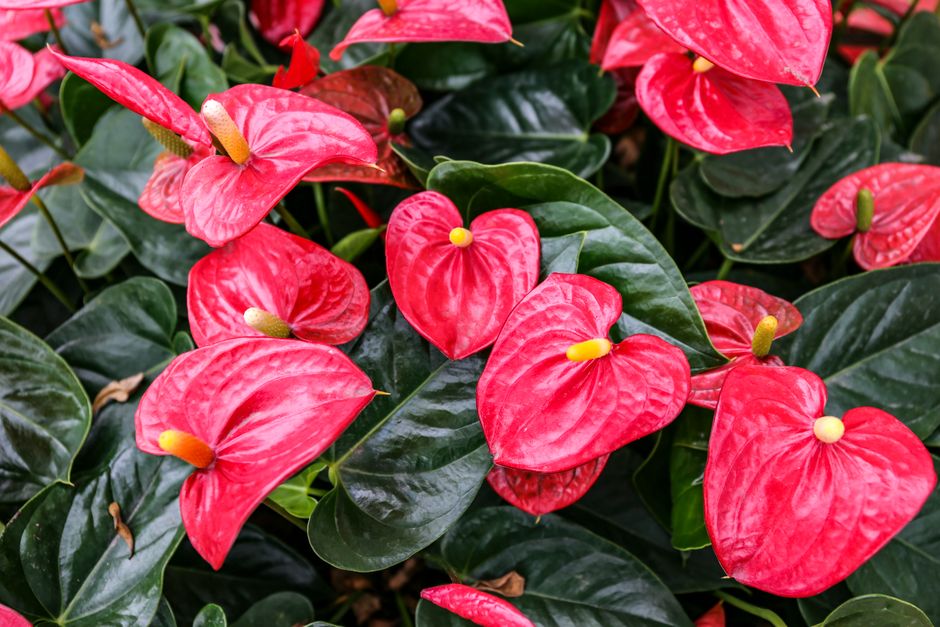
Photo by fei wang on Pexels
Anthurium lentii Care Guide: Light, Watering, Soil & Essential Tips
Anthurium lentii
🌍 Distribution
3 countries
Overview
Anthurium lentii, a captivating member of the Araceae family, is celebrated for its exquisite foliage that brings a touch of the rainforest indoors. Originating from the humid, tropical understories of Central and South America, this plant thrives in environments that mimic its natural habitat. What makes Anthurium lentii particularly special is its striking leaf morphology: typically large, heart-shaped (cordate) leaves adorned with a velvety texture and often featuring prominent, contrasting venation that creates a beautiful, intricate pattern across the dark green surface. This unique combination of texture and pattern gives the plant an almost iridescent quality, making it a highly sought-after specimen among plant enthusiasts.
The allure of Anthurium lentii lies in its sophisticated aesthetic and the challenge it presents to growers. Its beauty is undeniable, and for many, it represents a living piece of botanical art. People are drawn to its elegant form and the serene presence it brings to a space. While not considered a plant for absolute beginners due to its specific environmental demands, it is well-suited for intermediate to expert growers who possess a keen eye for detail and are willing to provide consistent, attentive care. Those who enjoy the process of nurturing rare and beautiful plants will find Anthurium lentii incredibly rewarding. It is ideal for individuals who are not afraid of a bit of a challenge and can dedicate time to monitoring their plant's conditions, rather than those seeking a low-maintenance, "set-it-and-forget-it" option. Its preference for stable conditions and high humidity means it flourishes best in dedicated plant rooms, terrariums, or environments where its specific needs can be met consistently.
Light Requirements
Providing the correct light conditions is paramount for the health and vibrancy of Anthurium lentii. This plant naturally grows as an understory epiphyte or terrestrial plant in dense tropical forests, where it receives dappled sunlight filtered through the canopy. Therefore, it thrives in bright, indirect light. Direct, harsh sunlight, especially during the peak hours of the day, can be detrimental to its delicate foliage.
Ideal light conditions involve exposure to consistent, bright ambient light without direct sun exposure. An east-facing window, which receives gentle morning sun, can be suitable if the plant is placed a few feet away, or if the light is diffused by a sheer curtain. A north-facing window typically provides soft, consistent indirect light throughout the day, making it an excellent choice. For south or west-facing windows, which receive the most intense light, it is crucial to place the plant further from the window or use heavy sheers or blinds to significantly diffuse the light and prevent leaf scorching.
Signs of too much light include yellowing or browning patches on the leaves, which resemble sunburn. The velvety texture may also appear dull or faded, and the plant might exhibit stunted growth as it struggles with the intensity. Conversely, signs of too little light manifest as leggy growth, smaller than usual new leaves, and a general lack of vigor. The striking venation might also appear less pronounced, and the plant's overall color may become a darker, duller green as it tries to maximize chlorophyll production. Rotating the plant periodically ensures even light exposure and promotes symmetrical growth.
Watering Guide
Proper watering is a critical aspect of Anthurium lentii care, requiring a delicate balance to avoid both overwatering and underwatering. The plant prefers its soil to be consistently moist but never waterlogged. A good rule of thumb is to allow the top 2-3 inches (5-7.5 cm) of the potting mix to dry out before watering again. This typically translates to a watering frequency of once every 7-10 days, though this can vary significantly based on environmental factors such as temperature, humidity, light intensity, and the type of potting mix used. In warmer, brighter conditions with higher airflow, the plant may need more frequent watering, while in cooler, lower light conditions, it will require less.
The preferred method of watering is thorough top watering. Pour water slowly and evenly over the surface of the soil until it drains freely from the bottom of the pot. Ensure that the plant is not left sitting in standing water in its saucer, as this can quickly lead to root rot. Bottom watering can also be used occasionally to ensure the entire root ball is saturated, especially if the soil has become compacted or very dry. To bottom water, place the pot in a tray or sink filled with about 2-3 inches (5-7.5 cm) of water and allow the plant to soak for 20-30 minutes, or until the top layer of soil feels moist. Always remove excess water afterwards. Using filtered water or rainwater is beneficial, as Anthurium lentii can be sensitive to chemicals found in tap water, such as chlorine and fluoride.
Signs of overwatering include yellowing leaves, particularly the lower ones, and soft, mushy stems or a foul odor emanating from the soil due to root rot. The soil may also remain wet for extended periods. If these symptoms appear, reduce watering frequency, check the roots for rot, and consider repotting into fresh, well-draining soil. Conversely, signs of underwatering include wilting leaves that may appear droopy or limp, crispy or brown edges on the leaves, and a very dry, compacted potting mix. If underwatered, the plant will usually perk up within a few hours of a thorough watering.
Seasonal adjustments are important: during the active growing season (spring and summer), Anthurium lentii will require more frequent watering due to increased metabolic activity and warmer temperatures. In the cooler, dormant months of autumn and winter, the plant's growth slows down, and its water needs decrease significantly. Reduce watering frequency during this period, allowing the soil to dry out a bit more between waterings to prevent root issues.
Soil & Potting
The right soil mix and potting strategy are fundamental to the success of growing Anthurium lentii. As an aroid, this plant requires an incredibly well-draining, airy, and chunky potting medium that mimics the conditions of its epiphytic or semi-epiphytic natural habitat. Standard potting soil is too dense and will retain too much moisture, leading to root rot.
An ideal soil mix for Anthurium lentii should consist of a blend of components that provide both aeration and moisture retention without becoming waterlogged. A common and effective recipe includes:
- Orchid bark (fine to medium grade): Provides excellent drainage and aeration, preventing compaction. (Approximately 40-50%)
- Perlite or pumice: Enhances drainage and creates air pockets within the soil. (Approximately 20-25%)
- Coco coir or coco chips: Offers good moisture retention while remaining airy. (Approximately 20-25%)
- Horticultural charcoal: Helps with drainage, aeration, and can absorb impurities. (Approximately 5-10%)
- A small amount of worm castings or a high-quality, peat-free potting mix: Provides some nutrients and additional organic matter.
The key characteristic of this mix is its excellent drainage. Water should flow through readily, preventing the roots from sitting in stagnant moisture. Good aeration is equally important for healthy root development and to prevent anaerobic conditions.
Pot material recommendations generally favor plastic or ceramic pots with ample drainage holes. Plastic pots retain moisture longer, which can be advantageous in drier indoor environments, but careful watering is needed to prevent overwatering. Terracotta pots, while offering excellent breathability and helping to prevent root rot due to their porous nature, tend to dry out the soil more quickly, potentially requiring more frequent watering. Regardless of the material, ensuring the pot has at least one large drainage hole, or several smaller ones, is non-negotiable.
When it comes to pot size, Anthurium lentii generally prefers to be slightly root-bound rather than in an excessively large pot. A pot that is too large will hold more soil and, consequently, more moisture than the plant's root system can effectively utilize, increasing the risk of overwatering and root rot. Choose a pot that is only slightly larger than the current root ball. Repotting is typically needed every 1-2 years, or when the plant shows signs of being root-bound, such as roots growing out of the drainage holes or the plant drying out too quickly between waterings. When repotting, only increase the pot size by one increment (e.g., from a 6-inch to an 8-inch pot) to avoid overwhelming the plant.
Temperature & Humidity
As a tropical plant, Anthurium lentii thrives in warm, stable temperatures and exceptionally high humidity. Replicating these conditions is crucial for its vigorous growth and the development of its characteristic velvety foliage.
The ideal temperature range for Anthurium lentii is between 18°C and 29°C (65°F and 85°F). It is particularly sensitive to cold drafts and sudden temperature fluctuations. Temperatures below 15°C (60°F) can stress the plant, leading to stunted growth, leaf damage, and increased susceptibility to disease. It is important to keep the plant away from open windows, air conditioning vents, and heating elements that can cause rapid temperature changes or dry out the air. Maintaining a consistent temperature within the optimal range will promote healthy growth and vibrant foliage.
Humidity is perhaps the single most critical environmental factor for Anthurium lentii. It requires a minimum of 60% relative humidity, with ideal conditions often reaching 70-80% or even higher. In its natural habitat, humidity levels are consistently high, and anything significantly lower than 60% can cause issues such as browning leaf edges, crispy tips, and a general decline in overall plant health. The velvety leaves are particularly prone to damage in low humidity, losing their luster and becoming more susceptible to pests.
There are several effective methods to boost humidity if needed in a typical indoor environment:
- Humidifiers: An electronic humidifier is the most effective and reliable way to maintain consistently high humidity levels, especially for multiple plants or in larger rooms. Cool-mist humidifiers are generally preferred.
- Pebble Trays: Place the plant pot on a tray filled with pebbles and water. Ensure the bottom of the pot does not sit directly in the water, as this can lead to root rot. As the water evaporates, it increases the humidity around the plant. While less effective than a humidifier, it provides a localized boost.
- Grouping Plants: Plants release moisture through transpiration, so grouping several plants together can create a microclimate with higher localized humidity.
- Terrariums or enclosed spaces: For truly optimal conditions, especially in very dry climates, growing Anthurium lentii in a closed terrarium, cloche, or a dedicated plant cabinet (like an IKEA cabinet conversion) can provide the stable high humidity it craves.
- Misting: While misting can provide a temporary, very short-term increase in humidity, it is not a long-term solution and can sometimes lead to fungal issues if water sits on the leaves for too long without proper air circulation. If misting, use distilled or filtered water to avoid mineral deposits on the leaves.
Seasonal considerations involve being particularly mindful of humidity levels during winter months when indoor heating systems can drastically dry out the air. This is often when supplemental humidity methods become most crucial.
Fertilizing
Appropriate fertilization supports vigorous growth and maintains the vibrant appearance of Anthurium lentii. However, these plants are not heavy feeders and can be sensitive to over-fertilization, which can lead to root burn and leaf damage.
During the active growing season, typically spring and summer, Anthurium lentii benefits from a balanced liquid fertilizer. A fertilizer with an NPK ratio such as 10-10-10 or 20-20-20, diluted to at least half or even quarter strength, is generally recommended. Some growers prefer a fertilizer with a slightly higher phosphorus content to encourage robust root development.
The frequency of fertilization should be carefully monitored. During the peak growing season (spring through early autumn), apply the diluted fertilizer every 2-4 weeks. Always apply fertilizer to moist soil, never to dry soil, to prevent root burn. Watering the plant thoroughly before fertilizing helps to protect the roots.
As the plant enters its dormancy period in late autumn and winter, its growth rate slows significantly. During this time, fertilizer application should be reduced or completely stopped. Fertilizing a dormant plant can stress it and lead to nutrient imbalances or root damage. Resume fertilization in spring when new growth emerges and light levels increase.
It is also beneficial to flush the soil periodically with plain water (once every 2-3 months) to prevent the build-up of mineral salts from fertilizers, which can also contribute to root burn and other issues.
Common Problems
While generally robust with proper care, Anthurium lentii can encounter a few common issues. Understanding the symptoms, causes, and solutions is key to maintaining a healthy plant.
Yellowing Leaves:
- Symptoms: Leaves turn yellow, often starting from the lower leaves, and may feel soft or mushy.
- Causes: The most frequent cause is overwatering, leading to root rot. Other causes can include nutrient deficiencies (especially nitrogen), or simply the natural aging of older leaves.
- Solutions: Check the soil moisture; if consistently wet, reduce watering frequency and allow the top few inches to dry out. Inspect roots for rot (mushy, brown sections); if present, prune affected roots and repot into fresh, well-draining soil. Ensure adequate drainage in the pot. If watering is correct, consider a diluted balanced fertilizer application if a nutrient deficiency is suspected.
Brown, Crispy Leaf Edges or Tips:
- Symptoms: The edges or tips of the leaves turn brown and become dry and brittle.
- Causes: This is almost always a sign of insufficient humidity or underwatering. Low humidity causes the plant to lose moisture from its leaves faster than its roots can supply it, leading to desiccation of the leaf margins. Underwatering causes similar symptoms due to a lack of water reaching the extremities of the leaves.
- Solutions: Increase ambient humidity around the plant using a humidifier, pebble tray, or by grouping plants. Ensure the plant is watered thoroughly when the topsoil is dry, and avoid allowing the soil to dry out completely for extended periods. Protect the plant from cold drafts or dry air from heating/AC vents.
Pests (Spider Mites & Mealybugs):
- Symptoms:
- Spider Mites: Tiny red or black dots on the undersides of leaves, fine webbing, speckled or dusty appearance on leaves, and overall decline in plant vigor.
- Mealybugs: Small, white, cottony masses found in leaf axils, along stems, and on the undersides of leaves. Leaves may turn yellow and become sticky due to honeydew.
- Causes: Pests are often introduced from new plants or can thrive in dry, stressed conditions.
- Solutions: Isolate the infected plant immediately. For spider mites, increase humidity, spray the plant thoroughly with insecticidal soap or neem oil, paying close attention to the undersides of leaves. Repeat every 5-7 days for several weeks. For mealybugs, dab them directly with a cotton swab dipped in rubbing alcohol, then spray the plant with insecticidal soap or neem oil. Regular inspection and wiping down leaves with a damp cloth can help prevent infestations.
- Symptoms:
Lack of Growth or Stunted New Leaves:
- Symptoms: The plant stops producing new leaves, or new leaves emerge significantly smaller than previous ones and do not unfurl properly.
- Causes: Insufficient light is a common culprit, as the plant lacks the energy for robust growth. Other causes include nutrient deficiency, root rot (preventing nutrient uptake), or consistently low humidity hindering leaf development.
- Solutions: Assess light conditions and move the plant to a brighter, indirect light location. Ensure proper fertilization during the growing season. Check for signs of root rot and address watering issues. Maintain high humidity levels, as new leaves can struggle to unfurl in dry air.
Frequently Asked Questions
Q: Can Anthurium lentii bloom indoors, and what do the flowers look like?
A: Yes, Anthurium lentii can bloom indoors, though its primary appeal is its foliage. The flowers are typical Anthurium inflorescences, consisting of a spathe (a modified leaf) and a spadix (a central column of tiny flowers). Unlike the vibrant, waxy spathes of some Anthurium species, the spathe of A. lentii is usually a less showy greenish or brownish color, blending with the foliage.
Q: Is Anthurium lentii toxic to pets?
A: Yes, like many plants in the Araceae family, Anthurium lentii contains calcium oxalate crystals, which are toxic if ingested. Chewing or ingesting parts of the plant can cause irritation of the mouth, throat, and digestive tract, leading to symptoms such as burning, swelling, drooling, vomiting, and difficulty swallowing. It is advisable to keep the plant out of reach of pets and small children.
Q: How can I propagate Anthurium lentii?
A: Anthurium lentii is most commonly propagated through stem cuttings or division. For stem cuttings, select a healthy stem with at least 2-3 nodes, cut below a node, and root it in a moist, airy medium like sphagnum moss or perlite, ideally in a high-humidity environment. Division can be done when repotting a mature plant by carefully separating sections with their own root systems.
Q: Why are my Anthurium lentii leaves not as velvety or vibrant as they should be?
A: The velvety texture and vibrant venation of Anthurium lentii leaves are highly dependent on optimal growing conditions. Insufficient humidity is a primary cause for a dull or less pronounced velvety texture, as the leaves can struggle to fully develop in dry air. Inadequate or inconsistent bright, indirect light can also lead to less vibrant coloring and less distinct venation, as the plant is not receiving enough energy to produce its full aesthetic potential.