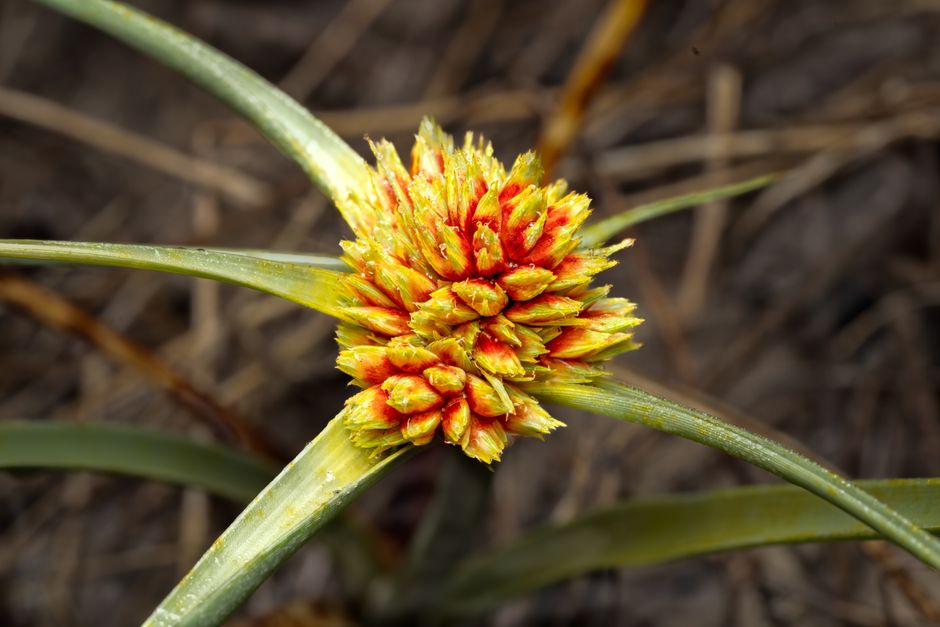
Mauritiella pumila

Photo by Rafael Minguet Delgado on Pexels

Mauritiella pumila Care Guide: Light, Watering, Soil & Essential Tips

Mauritiella pumila

Overview

Mauritiella pumila, a captivating member of the Arecaceae family, represents a more compact and manageable species within the typically large Mauritiella genus. Originating from the humid, tropical understories of South America, this palm is distinguished by its elegant, often deeply divided or costapalmate leaves, which emerge from a slender trunk, forming a graceful crown. The "pumila" epithet suggests a dwarf or smaller stature compared to its imposing relatives, making it an ideal choice for indoor cultivation or smaller outdoor spaces in suitable climates. Its refined appearance and lush green foliage bring a touch of exotic tranquility to any environment, evoking the serene beauty of its native rainforest habitat.

People are drawn to Mauritiella pumila for its unique aesthetic and its ability to thrive as an ornamental specimen without demanding the vast space required by many other palm species. Its relatively slow growth rate and contained size make it a prized possession for plant enthusiasts seeking a statement piece that remains manageable over time. The vibrant green leaves, often with a slightly glossy sheen, contribute to its allure, creating a focal point that enhances interior decor or garden landscapes. Its tropical charm and architectural form contribute to a sense of lushness and sophistication, making it a favorite among those who appreciate botanical elegance.

This palm is best suited for an intermediate grower who possesses a keen eye for detail and a commitment to maintaining optimal environmental conditions. While not exceptionally difficult, Mauritiella pumila does require consistent attention to its specific needs, particularly regarding humidity and watering. It thrives under the care of individuals who are attentive to their plants, capable of monitoring soil moisture, and willing to provide the high humidity levels it naturally prefers. It is less suitable for beginners or busy individuals who might overlook its specific requirements, as neglect can quickly lead to distress. However, for those willing to invest the time and effort, Mauritiella pumila rewards its caretaker with enduring beauty and a vibrant display of tropical foliage.

Light Requirements

Mauritiella pumila thrives in conditions that mimic its natural understory habitat, preferring bright, indirect light. Direct, harsh sunlight, especially the intense afternoon sun, can scorch its delicate foliage, leading to irreversible damage. The ideal placement provides ample ambient light without direct exposure to unfiltered rays. Morning sun for a few hours (e.g., from an east-facing window) can be beneficial, promoting robust growth and vibrant leaf coloration, but it should be protected from the more intense midday and afternoon sun.

Signs of too much light typically manifest as bleached, yellowed, or browned patches on the leaves, indicative of sunburn. The leaf tips and margins may also become crispy and dry. Conversely, a plant receiving insufficient light will exhibit symptoms such as leggy growth, where stems stretch excessively in search of light, resulting in sparse and elongated internodes. The foliage may also appear paler than usual, losing its characteristic deep green hue, and overall growth will be significantly slowed or stunted. In severe cases of low light, the plant may fail to produce new fronds altogether.

For optimal window placement indoors, an east-facing window is often considered ideal, providing gentle morning sun and bright indirect light throughout the day. A north-facing window can also work well, offering consistent, diffuse light, though growth might be slightly slower. South or west-facing windows should be approached with caution; if these are the only options, the plant must be positioned several feet away from the window or provided with sheer curtains or other forms of filtration to diffuse the intense light. Outdoors, in tropical or subtropical climates, it should be situated under the canopy of larger trees or in a shaded patio area where it receives filtered light all day. Regularly rotating the plant every few weeks ensures even light exposure to all sides, promoting symmetrical growth and preventing one-sided stretching.

Watering Guide

Consistent and appropriate watering is paramount for the health and vitality of Mauritiella pumila, which prefers its soil to remain consistently moist but never waterlogged. The key is to strike a balance, allowing the top 1-2 inches (2.5-5 cm) of the soil to dry out between waterings before rehydrating thoroughly. Overwatering is a common pitfall and can be more detrimental than slight underwatering, as it deprives roots of oxygen and can lead to rot.

The frequency of watering largely depends on environmental factors such as temperature, humidity, light levels, and the pot material. During the active growing season (spring and summer), Mauritiella pumila will typically require more frequent watering, potentially every 5-7 days. In contrast, during the cooler, darker months of fall and winter, when the plant's growth naturally slows, watering frequency should be significantly reduced, possibly to every 10-14 days or even less, depending on how quickly the soil dries. Always check the soil moisture level with a finger before watering rather than adhering strictly to a schedule.

When watering, the top-watering method is generally effective: pour water slowly and evenly over the entire soil surface until it begins to drain freely from the bottom of the pot. Ensure that the pot is not left sitting in standing water for extended periods, as this can lead to root rot. Alternatively, bottom watering can be employed to encourage deeper root growth and thorough saturation: place the pot in a tray of water for 20-30 minutes, allowing the soil to absorb moisture upwards through the drainage holes. Remove the pot once the top layer of soil feels moist.

Signs of overwatering include yellowing lower leaves, which may feel soft or mushy, a wilting appearance despite wet soil, and a musty odor emanating from the soil, indicative of root rot. The base of the plant may also feel soft to the touch. Conversely, an underwatered Mauritiella pumila will display crispy, brown leaf tips and margins, drooping or limp fronds, and the soil will pull away from the sides of the pot. In severe cases, the entire plant may appear shriveled and stunted. When these signs appear, adjust watering practices immediately to prevent further stress or damage to the plant.

Soil & Potting

The right soil mix and potting strategy are fundamental to the long-term health of Mauritiella pumila. This palm requires a growing medium that offers excellent drainage while simultaneously retaining sufficient moisture and providing adequate aeration for its root system. A slightly acidic to neutral pH (around 6.0-7.0) is generally preferred.

An ideal soil mix for Mauritiella pumila should be loose, airy, and rich in organic matter. A suitable blend can be created using a high-quality peat-based potting mix as the base, amended with ingredients that enhance drainage and aeration. A good ratio might be 2 parts peat moss or coco coir, 1 part perlite or coarse sand, and 1 part orchid bark or horticultural charcoal. Peat moss or coco coir provide moisture retention and organic matter, while perlite, sand, and bark ensure sharp drainage and prevent compaction, allowing air to circulate around the roots. Avoid heavy garden soil, which can compact easily and lead to waterlogging.

Exceptional drainage is non-negotiable for this palm. The pot chosen must have ample drainage holes at the bottom to allow excess water to escape freely. Without proper drainage, water can accumulate, leading to anaerobic conditions that foster root rot, a common and often fatal issue for palms.

When selecting pot material, both plastic and terracotta pots have their advantages. Plastic pots tend to retain moisture for longer periods, which can be beneficial for a plant that prefers consistently moist soil, potentially reducing watering frequency. They are also lighter and less prone to breaking. Terracotta pots, on the other hand, are porous and allow for greater airflow to the roots, which can help prevent overwatering and root rot. However, they also cause the soil to dry out more quickly, necessitating more frequent watering. The choice often comes down to personal preference and watering habits; a careful grower can succeed with either.

Regarding pot size, Mauritiella pumila generally prefers to be slightly root-bound rather than over-potted. Repotting should only occur when the plant has visibly outgrown its current container, typically every 2-3 years for young plants, and less frequently for mature specimens. Signs that repotting is needed include roots emerging from the drainage holes, water running straight through the pot without being absorbed, or stunted growth despite adequate care. When repotting, select a pot that is only one size larger (e.g., from a 6-inch to an 8-inch pot) to avoid overwhelming the root system with too much soil, which can stay wet for too long and increase the risk of root rot. Gently loosen any circling roots before placing the plant in its new pot with fresh soil mix.

Temperature & Humidity

Creating the right atmospheric conditions is crucial for the thriving of Mauritiella pumila, a plant accustomed to the stable warmth and high humidity of its tropical origins. Maintaining consistent temperature and humidity levels within its preferred ranges will significantly contribute to its health and lush appearance.

The ideal temperature range for Mauritiella pumila is between 18°C and 29°C (65°F and 85°F). It performs best when temperatures are relatively stable within this spectrum. While it can tolerate brief fluctuations, it is sensitive to sudden drops in temperature, especially below 10°C (50°F), which can cause stress, chilling injury, and potentially lead to irreversible damage or death. Therefore, it is essential to protect the palm from cold drafts, open windows in winter, and placement near air conditioning vents that can cause rapid temperature changes. During colder seasons, ensuring the plant is kept in the warmest part of the home and away from exterior doors or windows will be beneficial. If grown outdoors in suitable climates, it should be brought indoors or protected when temperatures are forecast to drop.

Humidity is perhaps the most critical environmental factor for Mauritiella pumila. Given its rainforest origins, it absolutely thrives in high humidity, ideally between 60% and 80%. Low humidity levels, commonly found in heated or air-conditioned indoor environments, are a frequent cause of distress, leading to brown leaf tips and margins, susceptibility to pests like spider mites, and overall decline in vigor.

There are several effective methods to boost humidity around the plant:

  1. Pebble Trays: Place the pot on a tray filled with pebbles and water, ensuring the bottom of the pot does not sit directly in the water. As the water evaporates, it increases the ambient humidity around the plant.
  2. Humidifiers: An electric humidifier is the most effective way to consistently maintain high humidity levels, especially in drier climates or during winter when heating systems dry out the air.
  3. Grouping Plants: Clustering Mauritiella pumila with other humidity-loving plants can create a localized microclimate, as plants release moisture through transpiration.
  4. Misting: While misting can provide a temporary boost in humidity, its effects are fleeting. Regular misting (daily or multiple times a day) can be somewhat helpful, but it's not a substitute for more consistent methods. If misting, use distilled or rainwater to avoid mineral buildup on leaves, and ensure good air circulation to prevent fungal issues.
  5. Location: Placing the plant in naturally more humid rooms like bathrooms or kitchens (if light conditions are met) can also be beneficial.

Monitoring humidity levels with a hygrometer can help ensure the plant's needs are consistently met, allowing for timely adjustments to the environment.

Fertilizing

Proper fertilization is essential for the healthy growth and vibrant appearance of Mauritiella pumila, providing the necessary nutrients to support its foliage and root development. However, over-fertilization can be detrimental, leading to nutrient burn and root damage, so a balanced approach is key.

Mauritiella pumila benefits from a balanced liquid fertilizer formulated for palms or a general houseplant fertilizer with a balanced NPK ratio (e.g., 10-10-10 or 20-20-20). Look for a fertilizer that also includes essential micronutrients such as magnesium, manganese, and iron, which are crucial for palm health and can prevent common deficiencies like yellowing fronds. Slow-release granular fertilizers specifically designed for palms can also be an excellent option, as they provide a steady supply of nutrients over several months, reducing the risk of over-fertilization and the need for frequent applications.

The frequency of fertilization should align with the plant's active growing season. For Mauritiella pumila, this typically occurs during spring and summer when light levels are higher and temperatures are warmer, stimulating new growth. During this period, apply a liquid fertilizer every 2 to 4 weeks, diluting it to half the strength recommended on the product label. This "weakly, weekly" or "weakly, bi-weekly" approach minimizes the risk of burning the roots while still providing a consistent nutrient supply. If using a slow-release granular fertilizer, follow the specific instructions on the packaging regarding application rate and duration, typically once every 3-6 months.

During the plant's dormancy period, which generally spans fall and winter, fertilization should be significantly reduced or completely withheld. As growth naturally slows down due to lower light and cooler temperatures, the plant's nutrient requirements decrease. Fertilizing during dormancy can lead to a buildup of salts in the soil, which can harm the roots and cause leaf tip burn. Resume a regular fertilization schedule only when new growth is observed in early spring.

Always ensure the soil is moist before applying liquid fertilizer to prevent root burn. Never fertilize a dry plant. Periodically flushing the soil with plain water (allowing it to drain thoroughly) can help prevent the accumulation of mineral salts from fertilizers, which can also contribute to brown leaf tips. If signs of nutrient deficiency appear (e.g., uniform yellowing of older leaves for nitrogen, interveinal chlorosis for iron, or marginal yellowing for potassium), adjust the fertilization regimen accordingly after ruling out other causes like watering issues.

Common Problems

Mauritiella pumila, while generally robust when its needs are met, can encounter several common issues. Understanding the symptoms, causes, and solutions for these problems is crucial for maintaining a healthy and thriving palm.

  1. Brown Leaf Tips and Margins:

    • Symptoms: The most frequently observed problem, characterized by the tips and edges of the fronds turning brown, crispy, and dry. This can affect older and newer leaves.
    • Causes: The primary culprits are low humidity, inconsistent watering (especially underwatering), and mineral salt buildup in the soil. Low humidity causes excessive transpiration, leading to desiccation of leaf extremities. Fluoride or chlorine in tap water can also contribute to this issue over time.
    • Solutions: Increase ambient humidity using pebble trays, a humidifier, or by grouping plants. Ensure consistent soil moisture, allowing the top 1-2 inches to dry out before watering thoroughly. Use distilled, rainwater, or filtered tap water if possible. Periodically flush the soil with plain water to wash out accumulated salts. Avoid over-fertilizing.
  2. Yellowing Leaves:

    • Symptoms: Fronds, or sections of fronds, turn yellow. This can manifest as uniform yellowing, yellowing between veins (interveinal chlorosis), or yellowing of older versus newer leaves.
    • Causes: Overwatering is a very common cause, leading to root rot and impaired nutrient uptake. Nutrient deficiencies (e.g., nitrogen deficiency causing uniform yellowing of older leaves, iron deficiency causing interveinal chlorosis on new leaves) can also be responsible. Additionally, natural aging of lower fronds will cause them to yellow and eventually die off, which is normal.
    • Solutions: Adjust watering practices to prevent waterlogging; ensure the soil dries out slightly between waterings. Check for root rot and repot if necessary, trimming any mushy roots. If nutrient deficiency is suspected, apply a balanced palm fertilizer with micronutrients during the growing season. Remove naturally yellowing lower fronds once they are completely brown, as part of routine maintenance.
  3. Pest Infestations (Spider Mites, Mealybugs):

    • Symptoms:
      • Spider Mites: Tiny red or brown specks on the undersides of leaves, fine webbing, speckled or stippled appearance on foliage, and overall dullness.
      • Mealybugs: Small, white, cottony masses found in leaf axils, on stems, or along veins. Leaves may become sticky due to honeydew excretion, and sooty mold may develop.
    • Causes: Dry, low-humidity conditions often encourage spider mites. Both pests can be introduced from new plants or through open windows.
    • Solutions: Regularly inspect plants for early signs of pests. For spider mites, increase humidity, wipe leaves with a damp cloth, and apply insecticidal soap or neem oil spray, ensuring thorough coverage of the undersides of leaves. For mealybugs, dab them directly with an alcohol-soaked cotton swab, or use insecticidal soap/neem oil for heavier infestations. Repeat treatments are usually necessary to break the pest life cycle. Quarantine new plants before introducing them to your collection.
  4. Slow or Stunted Growth:

    • Symptoms: The plant appears to be growing very slowly or has completely stopped producing new fronds. New fronds may emerge smaller than usual.
    • Causes: Insufficient light is a primary cause, as the plant cannot photosynthesize effectively. Lack of adequate nutrients, being severely root-bound, or consistently sub-optimal environmental conditions (e.g., cold temperatures, very low humidity) can also contribute.
    • Solutions: Evaluate light conditions and move the plant to a brighter, indirect light location. Ensure a consistent fertilization schedule during the growing season with a balanced palm fertilizer. Check if the plant is root-bound and repot into a slightly larger container if necessary. Review temperature and humidity parameters to ensure they are within the ideal ranges for Mauritiella pumila. Patience is also key, as palms are generally slow growers.

Frequently Asked Questions

Q: Is Mauritiella pumila toxic to pets?

A: Mauritiella pumila is generally considered non-toxic to cats, dogs, and other household pets, making it a safe choice for homes with animals. However, it is always best to discourage pets from chewing on any houseplant, as ingestion of plant material can sometimes cause mild stomach upset.

Q: How often should I repot my Mauritiella pumila?

A: Repotting is typically needed every 2-3 years for young, actively growing plants, and less frequently for mature specimens, usually only when the palm has become noticeably root-bound. Choose a pot that is only one size larger than the current one to avoid overly wet soil conditions.

Q: Can Mauritiella pumila tolerate direct sunlight?

A: No, Mauritiella pumila prefers bright, indirect light and does not tolerate harsh, direct sunlight, especially the intense afternoon sun. Direct exposure can lead to leaf scorching, yellowing, and browning of the fronds, mimicking its natural understory habitat where it receives filtered light.

Q: What is the best way to clean the leaves of Mauritiella pumila?

A: To keep the leaves dust-free and allow for optimal photosynthesis, gently wipe them down periodically with a soft, damp cloth or sponge using plain water. Avoid using leaf shine products, as they can clog pores and interfere with the plant's ability to breathe.

Last updated: May 3, 2026