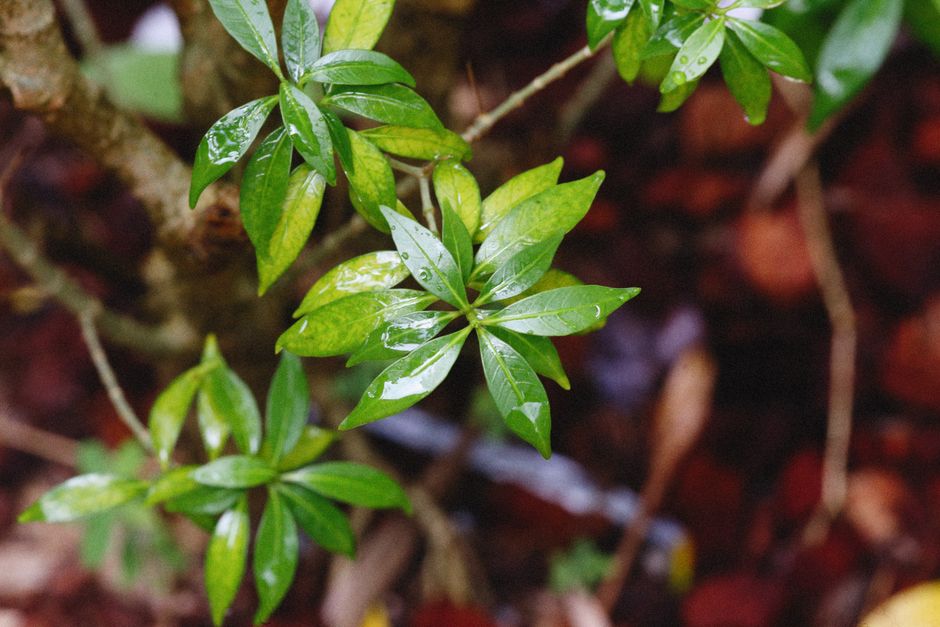
Photo by Alexey Demidov on Pexels
Pholidocarpus kingianus Care Guide: Light, Watering, Soil & Essential Tips
Pholidocarpus kingianus
Overview
Pholidocarpus kingianus, a majestic member of the Arecaceae family, is a highly sought-after palm known for its striking architectural presence and robust growth. Native to the lowland rainforests of Southeast Asia, particularly Malaysia and Indonesia, this species is revered for its impressive size, sturdy trunk, and large, deeply segmented, fan-shaped leaves. Its common name, the "King Palm" or "Borneo Fan Palm," aptly reflects its regal bearing and the grandeur it brings to any landscape or spacious interior.
What makes Pholidocarpus kingianus truly special is its unique combination of formidable scale and intricate foliage. Mature specimens can develop massive, columnar trunks, often adorned with remnants of old leaf bases, giving them a rugged, textured appearance. The palmate leaves, which can span several meters, emerge from a robust crown, creating a dramatic, tropical canopy. Young plants, even at a smaller scale, exhibit this characteristic elegance, making them desirable as statement pieces in conservatories or large, well-lit indoor spaces.
People are drawn to Pholidocarpus kingianus for its ability to transform an environment, imbuing it with an exotic, resort-like ambiance. Its substantial form makes it a focal point, commanding attention and creating a sense of lush, tropical luxury. Beyond aesthetics, growers appreciate its relatively resilient nature once established, offering a long-lived and rewarding horticultural experience.
This palm is best suited for intermediate to expert plant enthusiasts. While not overly finicky, its eventual size and specific environmental needs, particularly regarding light and humidity, require an attentive grower willing to provide the necessary conditions. It is not ideal for those seeking a low-maintenance, set-it-and-forget-it plant, but rather for individuals who enjoy nurturing a magnificent botanical specimen and have the space to accommodate its impressive growth. Its demanding nature in terms of space and specific environmental controls makes it less suitable for beginners or busy individuals who cannot dedicate consistent attention to its care.
Light Requirements
Pholidocarpus kingianus thrives in conditions that mimic its natural rainforest understory or emergent canopy environment, preferring bright, indirect light. While it appreciates ample illumination, direct, harsh afternoon sun can be detrimental, leading to scorched foliage and stress.
Ideal Light Conditions: The optimal placement for Pholidocarpus kingianus involves exposure to bright, filtered light for the majority of the day. This typically means several hours of diffused sunlight, such as that provided by a sheer curtain over a sunny window, or a location where it receives bright ambient light without direct sunbeams hitting its leaves for extended periods. Morning sun (before 10 AM) is generally gentler and can be beneficial, providing necessary energy without the risk of scorching.
Signs of Too Much Light:
- Scorched or Bleached Leaves: Direct, intense sunlight will often manifest as brown, crispy patches or bleached-out areas on the leaves, particularly on the parts most exposed to the sun.
- Yellowing of Entire Leaves: While natural aging causes lower leaves to yellow, widespread yellowing across newer or middle leaves can indicate excessive light exposure.
- Stunted Growth: The plant may allocate energy to protect itself from sun stress rather than focusing on new growth, leading to a slowdown in development.
Signs of Too Little Light:
- Leggy or Sparse Growth: Insufficient light can cause new fronds to be elongated, weak, and spaced far apart, as the plant stretches to find more light.
- Dull Leaf Color: The vibrant green of the foliage may appear dull or faded, lacking the characteristic luster of a healthy Pholidocarpus kingianus.
- Slowed or Stunted Growth: A significant reduction in the rate of new leaf production or a complete halt in growth can be a strong indicator of inadequate light.
- Failure to Thrive: Over time, the plant may generally decline, becoming more susceptible to other issues if light remains insufficient.
Window Placement Tips:
- East-facing Windows: These are often ideal as they provide gentle morning sun, followed by bright, indirect light for the rest of the day.
- North-facing Windows: While offering consistent, indirect light, a north-facing window might sometimes be too dim, especially during winter months or in regions with lower light intensity. Supplemental grow lights may be necessary.
- South or West-facing Windows: These orientations receive the most intense sunlight. Pholidocarpus kingianus placed here will require significant filtering, such as a heavy sheer curtain or placement several feet back from the window, to prevent leaf burn.
- Proximity to Windows: For optimal light without direct sun, growers should aim to place the palm within 1 to 2 meters (3 to 6 feet) of a suitable window. The closer to the light source, the brighter the ambient light will be.
Regular observation of the plant's foliage and growth patterns is crucial for determining the perfect light balance. Adjustments to placement or the addition of supplemental lighting may be necessary throughout the year, especially as seasons change and natural light levels fluctuate.
Watering Guide
Proper watering is paramount for the health and vitality of Pholidocarpus kingianus. This tropical palm prefers consistently moist soil, but absolutely detests sitting in waterlogged conditions, which can quickly lead to root rot. The key is to find a balance between adequate moisture and excellent drainage.
Frequency: During its active growing season (typically spring and summer), Pholidocarpus kingianus generally requires watering every 7 to 10 days. The most reliable method to determine watering needs is to check the soil moisture. Growers should allow the top 5-7 cm (2-3 inches) of the soil to dry out completely before watering again. Sticking a finger into the soil or using a moisture meter provides an accurate assessment. In warmer, drier environments or during periods of rapid growth, watering may be needed more frequently. Conversely, in cooler, more humid conditions, or when the plant is dormant, the frequency will decrease.
Method (Top vs. Bottom Watering):
- Top Watering: This is the most common and effective method. Water thoroughly from the top until water begins to drain freely from the pot's drainage holes. This ensures the entire root ball is saturated and helps flush out any accumulated mineral salts. It is crucial to empty any standing water from the saucer beneath the pot within 30 minutes to an hour after watering to prevent root rot.
- Bottom Watering: While less common for large palms, bottom watering can be beneficial for smaller specimens or to encourage root growth downwards. This involves placing the pot in a tray of water for 30-60 minutes, allowing the soil to wick up moisture from below. However, for Pholidocarpus kingianus, top watering is generally preferred to ensure a thorough flush and aeration of the soil.
Signs of Overwatering: Overwatering is a common killer of indoor palms and can lead to severe health issues for Pholidocarpus kingianus.
- Yellowing Lower Leaves (and possibly newer leaves): While some lower leaf yellowing is natural, widespread or rapid yellowing of multiple leaves, especially if combined with other symptoms, is a strong indicator of overwatering.
- Mushy or Soft Stem/Base: The most serious sign, indicating root rot has progressed. The base of the trunk may feel soft or appear discolored.
- Drooping Leaves (without crispiness): Leaves may appear limp and lifeless, but not dry or crispy, due to the roots suffocating.
- Unpleasant Odor from Soil: A foul, sulfur-like smell emanating from the soil indicates anaerobic conditions and root decay.
- Stunted Growth: Roots compromised by overwatering cannot effectively take up nutrients, leading to a general decline in growth.
Signs of Underwatering:
- Drooping and Wilting Leaves: The foliage will appear limp and may start to sag.
- Brown and Crispy Leaf Tips/Edges: A very common symptom, indicating insufficient moisture reaching the extremities of the leaves.
- Slowed or Halted Growth: The plant conserves energy and moisture, reducing or stopping new growth.
- Soil Pulling Away from Pot Edges: The soil may become completely dry and compacted, shrinking and leaving gaps around the sides of the pot.
Seasonal Adjustments:
- Growing Season (Spring and Summer): During warmer months when the plant is actively growing, it will require more frequent watering. Monitor soil moisture closely and water as soon as the top few inches are dry.
- Dormancy/Slower Growth (Fall and Winter): As temperatures drop and light levels decrease, Pholidocarpus kingianus will slow its growth significantly. Reduce watering frequency considerably, allowing the soil to dry out more thoroughly between waterings (perhaps the top half of the soil). Overwatering in winter is a particularly common cause of problems.
Consistent monitoring and adaptation to the plant's environment are key to a successful watering regimen. Using high-quality, well-draining soil also plays a critical role in preventing water-related issues.
Soil & Potting
The right soil mix and pot are fundamental to the long-term health and vigor of Pholidocarpus kingianus. As a palm, it requires a substrate that provides both excellent drainage and sufficient aeration, while also retaining enough moisture and nutrients to support its robust growth.
Ideal Soil Mix: Pholidocarpus kingianus thrives in a rich, well-draining, and slightly acidic to neutral soil mix (pH 6.0-7.0). A suitable blend should mimic the organic matter found in its natural habitat while preventing waterlogging. A good general recipe for a palm or aroid mix often works well:
- 40% High-quality Potting Mix: This forms the base, providing essential nutrients and some moisture retention.
- 30% Coarse Perlite or Pumice: Crucial for improving drainage and aeration, preventing compaction.
- 20% Orchid Bark or Coconut Coir Chunks: Adds to drainage, aeration, and prevents the soil from becoming too dense. It also helps retain some moisture without becoming soggy.
- 10% Worm Castings or Compost: Enriches the soil with organic matter and beneficial microbes, providing a slow release of nutrients. Some growers also add a small amount of horticultural charcoal to help with drainage and reduce toxins. The goal is a mix that feels light and airy but can still hold some moisture.
Drainage Requirements: Exceptional drainage is non-negotiable for Pholidocarpus kingianus. Its roots are highly susceptible to rot in anaerobic (oxygen-deprived) conditions.
- Potting Mix: The soil mix itself must be formulated to drain quickly. Avoid heavy, dense garden soil or standard potting mixes that retain too much water.
- Drainage Holes: The chosen pot must have ample drainage holes at the bottom. A single small hole may not be sufficient for larger pots; multiple holes are preferred.
- Avoid Drainage Layers: Placing a layer of gravel or broken pot shards at the bottom of the pot is a common misconception. This actually creates a "perched water table," raising the level at which water accumulates and potentially exacerbating root rot issues. The best practice is to simply use a well-draining mix directly over the drainage holes.
Pot Material Recommendations: The choice of pot material can influence watering frequency and root health.
- Terracotta/Clay Pots: These are porous and allow for excellent airflow to the roots, helping the soil dry out more quickly. This can be beneficial for growers prone to overwatering. However, for a large palm, terracotta can be very heavy and prone to breakage. It also means more frequent watering may be necessary.
- Plastic Pots: Lightweight, durable, and retain moisture more effectively than terracotta. This can be an advantage for plants that prefer consistently moist soil, but it also means a higher risk of overwatering if not managed carefully. For very large Pholidocarpus kingianus, plastic pots might be preferred for ease of movement (when young) and cost-effectiveness.
- Glazed Ceramic Pots: Similar to plastic in terms of moisture retention but offer a more aesthetic appeal. They are heavier than plastic. When selecting, consider the plant's eventual size and the ease of moving it for care.
Pot Size Guide: Repotting Pholidocarpus kingianus should be done sparingly, as palms generally dislike root disturbance. Repot only when the plant is significantly root-bound, meaning roots are circling the bottom of the pot or growing out of the drainage holes.
- Gradual Increase: When repotting, only move up one pot size (e.g., from a 25 cm/10-inch pot to a 30 cm/12-inch pot). Overpotting can lead to the soil remaining wet for too long, increasing the risk of root rot.
- Frequency: Young, actively growing plants may need repotting every 2-3 years. Mature, larger specimens may only need repotting every 4-5 years or even less frequently. Instead, for very large plants, growers might opt for "top dressing," which involves carefully removing the top few inches of old soil and replacing it with fresh, nutrient-rich mix.
- Timing: The best time to repot is in spring or early summer, when the plant is entering its active growth phase, allowing it to recover more quickly from the stress of repotting.
Temperature & Humidity
As a palm native to tropical rainforests, Pholidocarpus kingianus thrives in warm, stable temperatures and high humidity. Replicating these conditions indoors is crucial for its vigorous growth and overall health.
Ideal Ranges:
- Temperature: The optimal temperature range for Pholidocarpus kingianus is between 20°C and 30°C (68°F and 86°F). It performs best when temperatures are consistently within this range. While it can tolerate brief dips, prolonged exposure below 15°C (59°F) can cause stress, slow growth, and potentially lead to cold damage, especially if the soil is also wet. Temperatures above 32°C (90°F) are generally tolerated well, provided humidity and watering are adequate.
- Humidity: High humidity is vital for this palm. It prefers relative humidity levels consistently above 60%, ideally between 70% and 80%. In its natural habitat, humidity levels are often much higher, close to saturation. Low humidity is a frequent cause of brown leaf tips and overall decline in indoor environments.
Seasonal Considerations:
- Winter: During colder months, it is essential to protect Pholidocarpus kingianus from cold drafts from windows or doors. Ensure it is not placed near heating vents or radiators, which can drastically lower local humidity and cause temperature fluctuations. Maintaining stable, warm temperatures is more challenging in winter but critical.
- Summer: In warmer months, ensure good air circulation to prevent fungal issues, especially when humidity is high. If moving the plant outdoors for summer, gradually acclimate it to brighter light and protect it from direct afternoon sun.
How to Boost Humidity if Needed: Achieving and maintaining the high humidity Pholidocarpus kingianus requires indoors often necessitates proactive measures:
- Humidifier: The most effective method is to use a dedicated room humidifier. A cool-mist humidifier placed near the plant can significantly raise ambient humidity to the desired levels. Growers should monitor humidity with a hygrometer.
- Pebble Tray: Place the pot on a tray filled with pebbles and water. Ensure the bottom of the pot does not sit directly in the water, as this can lead to root rot. As the water evaporates, it increases localized humidity around the plant. This method is moderately effective.
- Grouping Plants: Placing several plants together can create a microclimate with higher humidity, as plants release moisture through transpiration.
- Misting: While frequently recommended, misting is often a temporary solution. The effect typically lasts only for a short period, and if not done correctly (e.g., leaving water on leaves in low light), it can potentially encourage fungal growth. If misting, use filtered or distilled water to prevent mineral spots on leaves and ensure good air circulation. It is most effective when done multiple times a day or in conjunction with other humidity-boosting methods.
- Location: Placing the palm in a naturally more humid room, such as a well-lit bathroom or kitchen (if space allows), can also contribute to higher humidity levels.
Consistent high humidity not only prevents cosmetic issues like brown leaf tips but also supports the plant's overall metabolic functions, leading to healthier, more robust growth.
Fertilizing
Proper fertilization is essential to support the vigorous growth and lush foliage of Pholidocarpus kingianus. These palms are heavy feeders during their active growth phase, requiring a balanced supply of macro and micronutrients.
Type of Fertilizer: Growers should use a high-quality, slow-release granular palm fertilizer or a liquid fertilizer specifically formulated for palms. These fertilizers typically have a balanced NPK (Nitrogen-Phosphorus-Potassium) ratio, often with a slightly higher potassium content, and include essential micronutrients like magnesium, manganese, and iron, which palms are particularly sensitive to deficiencies of. A common NPK ratio for palms might be around 8-2-12 or similar, with added trace elements. If a palm-specific fertilizer isn't available, a general-purpose balanced liquid fertilizer (e.g., 20-20-20) diluted to half strength can be used, but ensure it contains micronutrients.
Frequency:
- Growing Season (Spring and Summer): During the active growth period, from early spring through late summer, Pholidocarpus kingianus benefits from regular feeding.
- Liquid Fertilizer: If using a liquid fertilizer, apply it every 2 to 4 weeks, diluted to half or quarter strength as per product instructions to prevent nutrient burn. It's better to under-fertilize slightly than to over-fertilize.
- Slow-Release Granular Fertilizer: If using a slow-release granular palm fertilizer, apply it once at the beginning of spring and potentially again mid-summer, following the manufacturer's recommendations. These fertilizers are designed to release nutrients gradually over several months. Always ensure the plant has been watered thoroughly before applying liquid fertilizer to avoid root burn.
Growing Season vs. Dormancy:
- Growing Season (Spring and Summer): This is the primary period for fertilization. The plant is actively producing new fronds and roots, and nutrient uptake is at its peak.
- Dormancy/Slower Growth (Fall and Winter): As light levels decrease and temperatures cool, Pholidocarpus kingianus naturally slows its growth. During these months (typically from late autumn through winter), fertilization should be significantly reduced or stopped entirely. Feeding a dormant plant can lead to a buildup of salts in the soil, potentially causing root damage and nutrient burn. Resume fertilization in early spring when new growth is observed.
Tips for Fertilizing:
- Avoid Over-fertilization: Excessive fertilizer can lead to salt buildup in the soil, causing root burn, yellowing leaves, and stunted growth. If white crusts appear on the soil surface, it's a sign of salt accumulation.
- Flush the Soil: Periodically, perhaps every few months, thoroughly flush the soil with plain water until it drains freely from the bottom for several minutes. This helps to wash away accumulated mineral salts from fertilizers and tap water.
- Observe the Plant: Pay attention to the plant's response. Healthy, vibrant green leaves and consistent new growth indicate adequate nutrition. Yellowing or pale leaves, particularly on older fronds, might suggest a nutrient deficiency, but always rule out watering or light issues first.
By following a consistent and appropriate fertilization schedule, growers can ensure Pholidocarpus kingianus receives the necessary nutrients to maintain its impressive size and lush, healthy appearance.
Common Problems
Despite its robust nature, Pholidocarpus kingianus can encounter several common issues, particularly when its environmental requirements are not met. Understanding the symptoms, causes, and solutions for these problems is key to maintaining a healthy palm.
1. Brown Leaf Tips and Edges
- Symptoms: The most common complaint. Leaf tips and/or edges turn brown, crispy, and dry. This often starts on older leaves but can affect newer ones if conditions are severe.
- Causes:
- Low Humidity: The primary culprit. Pholidocarpus kingianus requires high humidity (60-80%), and dry indoor air causes excessive transpiration, leading to the tips drying out.
- Inconsistent Watering: Both underwatering (allowing the soil to dry out too much) and overwatering (leading to root damage and inability to absorb water) can manifest as brown tips.
- Fluoride or Chlorine in Tap Water: Some palms are sensitive to chemicals commonly found in tap water, which can build up in the leaf tips.
- Salt Buildup: Accumulation of mineral salts from fertilizers or hard water in the soil can burn root tips and subsequently leaf tips.
- Solutions:
- Increase Humidity: Use a humidifier, pebble trays, or group plants.
- Consistent Watering: Establish a regular watering schedule, allowing the top 5-7 cm (2-3 inches) of soil to dry before rewatering.
- Use Filtered Water: If tap water is suspected, use filtered, distilled, or rainwater. Letting tap water sit out for 24 hours can help dissipate chlorine, but not fluoride.
- Flush Soil: Periodically flush the soil with plain water to remove salt buildup.
- Prune Judiciously: Trim only the brown parts, leaving a small sliver of green, with sharp, clean scissors. Avoid cutting into green tissue.
2. Yellowing Leaves (Chlorosis)
- Symptoms: Leaves turn yellow, ranging from a pale greenish-yellow to a bright, uniform yellow. This can affect entire fronds or specific areas.
- Causes:
- Natural Aging: The most common and benign cause. Older, lower leaves naturally yellow and eventually die off as the plant allocates resources to new growth. This is normal if it happens slowly and only to the oldest fronds.
- Overwatering/Root Rot: If combined with drooping, soft base, or an odor, overwatering is likely. Damaged roots cannot absorb water or nutrients.
- Nutrient Deficiency: Particularly magnesium, manganese, or iron deficiencies. Magnesium deficiency often causes yellowing with a green central vein (interveinal chlorosis).
- Insufficient Light: Prolonged low light can lead to a general paling and yellowing as photosynthesis is hindered.
- Pests: Severe infestations can drain the plant of nutrients, causing yellowing.
- Solutions:
- Assess Watering: Adjust watering frequency and ensure good drainage. Allow soil to dry appropriately between waterings.
- Provide Adequate Light: Move the plant to a location with bright, indirect light.
- Fertilize Appropriately: Use a palm-specific fertilizer rich in micronutrients. If a specific deficiency is suspected, a targeted supplement (e.g., Epsom salts for magnesium) can be used.
- Check for Pests: Inspect the plant thoroughly and treat any infestations.
- Prune: Remove naturally yellowed or dead lower leaves once they are fully yellow/brown.
3. Pests: Spider Mites and Mealybugs
- Symptoms:
- Spider Mites: Tiny red, brown, or black dots on leaves; fine webbing, especially on undersides of leaves and in leaf axils; stippling (tiny yellow or white dots) on leaves; general dullness or yellowing.
- Mealybugs: White, cottony masses found in leaf axils, along stems, or on the undersides of leaves; sticky residue (honeydew) on leaves and surrounding surfaces; sooty mold growth on honeydew; stunted growth.
- Causes: Pests thrive in dry, warm conditions and can be introduced from new plants or through open windows.
- Solutions:
- Isolation: Immediately isolate the affected plant to prevent spread.
- Physical Removal: For mealybugs, dab them directly with a cotton swab dipped in rubbing alcohol. For spider mites, spray the plant thoroughly with a strong stream of water (especially undersides of leaves) to dislodge them.
- Insecticidal Soap/Neem Oil: Apply insecticidal soap or neem oil spray, ensuring full coverage of all leaf surfaces, including undersides. Repeat every 5-7 days for several weeks to break the pest life cycle.
- Increase Humidity: Spider mites particularly dislike high humidity, so increasing it can help deter them.
- Preventative Measures: Regularly inspect plants, especially new additions. Wipe down leaves periodically to keep them clean.
4. Slow or Stunted Growth
- Symptoms: Lack of new fronds, new leaves are smaller than usual, overall growth rate significantly reduced or halted.
- Causes:
- Insufficient Light: One of the most common reasons. Without enough light, the plant cannot photosynthesize efficiently to fuel growth.
- Nutrient Deficiency: Lack of adequate fertilization during the growing season can lead to a shortage of essential nutrients.
- Root Bound: If the palm has outgrown its pot, its roots may be too constricted to expand and absorb sufficient water and nutrients.
- Inconsistent Watering/Root Stress: Both overwatering and chronic underwatering can stress the roots, hindering nutrient uptake and growth.
- Low Temperatures: Prolonged exposure to temperatures below its ideal range will slow down metabolic processes.
- Solutions:
- Optimize Light: Move the plant to a brighter location with ample indirect light. Consider supplemental grow lights if natural light is insufficient.
- Fertilize Appropriately: Ensure a consistent fertilization schedule during the growing season with a palm-specific fertilizer.
- Repot if Root Bound: If roots are circling the pot or emerging from drainage holes, repot into a slightly larger pot with fresh, well-draining soil.
- Review Watering Regimen: Adjust watering to be consistent and appropriate for the plant's needs, allowing the top soil to dry out.
- Maintain Ideal Temperatures: Ensure the plant is in its preferred temperature range of 20-30°C (68-86°F).
Frequently Asked Questions
Q: Is Pholidocarpus kingianus pet-safe?
Most palms, including Pholidocarpus kingianus, are generally considered non-toxic to cats and dogs. However, growers should always prevent pets from chewing on plants, as ingesting large amounts of any plant material can cause mild stomach upset.
Q: How often should I repot Pholidocarpus kingianus?
Pholidocarpus kingianus prefers to be somewhat root-bound and dislikes root disturbance, so repotting should be done sparingly. Young plants may need repotting every 2-3 years, while mature specimens might only require it every 4-5 years or when clearly root-bound, such as when roots emerge from drainage holes or growth significantly slows.
Q: Can Pholidocarpus kingianus be grown outdoors?
Pholidocarpus kingianus can only be grown outdoors in USDA hardiness zones 10-12, or similar climates that consistently provide tropical conditions. This means year-round warm temperatures (above 15°C or 59°F) and high humidity, without exposure to frost or prolonged cold.
Q: What is the optimal temperature for new growth in Pholidocarpus kingianus?
For robust new growth, Pholidocarpus kingianus thrives in temperatures between 25°C and 30°C (77°F and 86°F). Maintaining consistent warmth within this range, coupled with high humidity and adequate light, encourages the most vigorous development of new fronds.