Photo by Lucas Pezeta on Pexels
Rhopaloblaste elegans Care Guide: Light, Watering, Soil & Essential Tips
Rhopaloblaste elegans
Overview
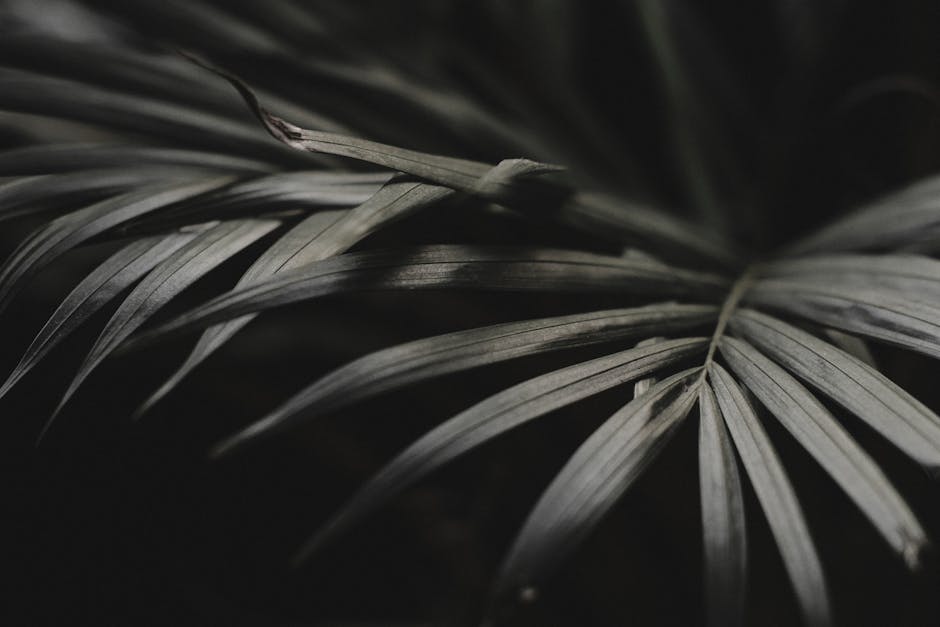
Rhopaloblaste elegans, a distinguished member of the Arecaceae family, is a captivating tropical palm renowned for its exceptional grace and refined aesthetic. Native to the humid rainforests of Southeast Asia, particularly regions like Malaysia and Borneo, this palm thrives in the understory, where it experiences filtered light and consistent warmth. Its common name, if any, often reflects its elegant stature, characterized by a slender, solitary trunk and a crown of gracefully arching, pinnate fronds. Each frond is composed of numerous narrow, dark green leaflets, creating a delicate, feathery appearance that sways gently with the slightest breeze.
What makes Rhopaloblaste elegans particularly special is its striking elegance and the sophisticated ambiance it lends to any indoor space. Unlike some more common, robust palms, Rhopaloblaste elegans possesses a refined structure that makes it a focal point without overwhelming its surroundings. Its slow to moderate growth rate means it maintains a manageable size for many years, making it suitable for long-term indoor cultivation. People are drawn to this palm for its ability to transform an ordinary room into a serene, tropical sanctuary, offering a touch of exotic luxury and natural beauty. Its vibrant green foliage also contributes to improved indoor air quality, making it a beneficial addition to the home environment.
This palm is best suited for intermediate to experienced plant enthusiasts, or attentive beginners who are committed to understanding and meeting its specific environmental needs. While not excessively demanding, Rhopaloblaste elegans requires consistent attention to humidity, watering, and light conditions to truly thrive. It is an excellent choice for individuals who appreciate the nuances of plant care and are willing to invest time in creating an optimal environment for their botanical companions. Busy individuals might find its requirements a bit challenging, as it prefers a stable environment and does not tolerate neglect, especially regarding humidity and consistent moisture. For those who enjoy a daily ritual of plant inspection and care, Rhopaloblaste elegans will reward their efforts with stunning, enduring beauty.
Light Requirements
Rhopaloblaste elegans originates from the understory of tropical rainforests, where it naturally receives bright, indirect, or filtered light rather than direct, harsh sunlight. Replicating these conditions is paramount for its successful indoor cultivation.
Ideal Light Conditions: The ideal light for Rhopaloblaste elegans is bright, indirect light for the majority of the day. This means placing it in a location where it receives ample ambient light but is shielded from direct sunbeams, especially during the intense midday and afternoon hours. Filtered light, such as that coming through a sheer curtain, or light bouncing off a brightly painted wall, is highly beneficial. A north-facing window typically provides consistent, gentle light, which can be ideal. An east-facing window is also excellent, offering soft morning sun that is generally not too intense.
Signs of Too Much Light: If Rhopaloblaste elegans is exposed to excessive direct sunlight, particularly for prolonged periods, several symptoms will manifest:
- Scorched or Burnt Leaves: The most immediate and obvious sign is the appearance of brown, crispy patches or streaks on the fronds, resembling sunburn. These areas often turn a pale yellow before browning.
- Fading Leaf Color: The vibrant green of the fronds may start to look washed out, pale, or yellowish.
- Stunted Growth: The plant may cease producing new fronds or the new growth may be unusually small and weak.
Signs of Too Little Light: Conversely, insufficient light can also negatively impact the palm's health and appearance:
- Leggy Growth: The stems may become elongated and stretched as the plant attempts to reach for more light, resulting in an open, sparse appearance.
- Pale or Dull Foliage: The rich green color of the fronds may become dull, faded, or even yellowish, indicating a lack of chlorophyll production.
- Slowed or Stalled Growth: The plant will produce fewer new fronds, and overall growth will be significantly reduced.
- Weak Fronds: The fronds may become flimsy and lack their characteristic upright or arching structure, potentially drooping or failing to fully unfurl.
Window Placement Tips:
- East-facing Window: This is often the most ideal location, providing gentle morning sun for a few hours and then bright indirect light for the rest of the day.
- North-facing Window: Offers consistent, soft indirect light throughout the day, which is generally very safe for this palm.
- South or West-facing Window: These windows typically receive intense direct sunlight. If placing Rhopaloblaste elegans here, it is crucial to position the plant several feet away from the window or use sheer curtains or blinds to diffuse the light. Ensure the plant is never in the direct path of strong afternoon sun.
- Interior Placement: The palm can thrive a few feet away from a very bright window, or in a room with large windows where light is abundant but indirect. Assess the light levels throughout the day to ensure consistency.
Rotating the plant periodically can help ensure all sides receive adequate light and promote even growth. However, avoid sudden drastic changes in light conditions, as this can stress the plant.
Watering Guide
Proper watering is critical for the health of Rhopaloblaste elegans, which prefers consistently moist but not waterlogged soil. Its tropical origins mean it appreciates regular hydration.
Frequency: The general rule for watering Rhopaloblaste elegans is to allow the top 2-3 inches (5-7.5 cm) of soil to dry out between waterings. The frequency will vary significantly depending on environmental factors such as temperature, humidity, light levels, pot size, and soil type. In warmer, brighter conditions during the active growing season (spring and summer), this might mean watering once or twice a week. In cooler, darker conditions during the dormant period (fall and winter), watering frequency will decrease, potentially to once every 10-14 days or even less. Always check the soil moisture before watering rather than adhering to a strict schedule.
Method (Top vs. Bottom Watering):
- Top Watering: This is the most common method. Pour water evenly over the surface of the soil until it drains out of the pot's drainage holes. Ensure that the entire root ball is saturated. Discard any excess water that collects in the saucer after about 15-30 minutes to prevent the roots from sitting in standing water, which can lead to root rot.
- Bottom Watering: This method can be beneficial for ensuring thorough saturation and encouraging root growth downwards. Place the potted plant in a tray or basin filled with 2-3 inches (5-7.5 cm) of water. Allow the plant to soak for 30-60 minutes, or until the top surface of the soil feels moist. Remove the pot from the water and let it drain completely before returning it to its saucer. This method can also help prevent the accumulation of mineral salts on the soil surface. It is advisable to alternate between top and bottom watering to help flush out salts and ensure the top layer of soil is also regularly moistened.
Signs of Overwatering: Overwatering is a common cause of issues for Rhopaloblaste elegans and can quickly lead to root rot.
- Yellowing Leaves: Lower leaves often turn yellow, sometimes with brown or black spots, and may feel soft or mushy.
- Drooping or Wilting: Despite the soil being wet, the leaves may droop as the roots are unable to absorb water due due damage.
- Mushy Stem/Base: The base of the plant or the trunk may become soft, mushy, or discolored, indicating rot.
- Foul Odor: A decaying, sour smell emanating from the soil is a strong indicator of root rot.
- Pest Infestations: Fungus gnats are often attracted to consistently wet soil.
Signs of Underwatering: While less common than overwatering, underwatering can also harm the palm.
- Crispy or Brown Leaf Tips/Edges: The tips and edges of the fronds will dry out, turn brown, and become crispy.
- Drooping or Limp Fronds: The entire frond may appear to wilt or sag, losing its turgor.
- Slowed Growth: New growth will be minimal or cease entirely.
- Dry, Compacted Soil: The soil will pull away from the edges of the pot and feel extremely dry and hard.
Seasonal Adjustments:
- Spring and Summer (Growing Season): This is the period of active growth, requiring more frequent watering. Monitor the soil regularly and water when the top few inches are dry.
- Fall and Winter (Dormancy): As light levels decrease and temperatures drop, the palm's growth slows down significantly. Reduce watering frequency considerably, allowing the soil to dry out more thoroughly between waterings (perhaps the top half of the soil, or even more). Overwatering during dormancy is particularly detrimental.
Always use room-temperature water, ideally filtered or rainwater, as chlorine and other chemicals in tap water can sometimes accumulate and harm sensitive palms over time.
Soil & Potting
The right soil and pot are fundamental to the health and longevity of Rhopaloblaste elegans, ensuring proper aeration, drainage, and moisture retention.
Ideal Soil Mix: Rhopaloblaste elegans thrives in a well-draining yet moisture-retentive soil mix. A standard potting mix designed for palms or aroid plants often works well. A custom blend can be created using the following components:
- Peat Moss or Coco Coir (50-60%): Provides excellent water retention and helps to slightly acidify the soil, which palms generally prefer.
- Perlite or Pumice (20-30%): Essential for improving drainage and aeration, preventing soil compaction and root rot.
- Coarse Sand or Horticultural Grit (10-20%): Further enhances drainage and adds weight to prevent taller palms from toppling over.
- Orchid Bark or Horticultural Charcoal (optional, 5-10%): Improves aeration and drainage, mimicking the chunky organic matter found in its natural habitat.
- Worm Castings or Compost (optional, small amount): Adds beneficial microbes and slow-release nutrients.
The resulting mix should be light, airy, and drain freely while still holding onto some moisture. Avoid heavy, dense soils that retain too much water, as this is a primary cause of root rot.
Drainage Requirements: Excellent drainage is non-negotiable for Rhopaloblaste elegans. The pot must have at least one, preferably multiple, drainage holes at the bottom. Without adequate drainage, water will accumulate at the base of the pot, leading to anaerobic conditions and root decay. Placing a layer of broken pot shards or gravel at the bottom of the pot is often suggested, but modern horticultural advice suggests this is unnecessary and can even impede drainage. Instead, focus on using a well-draining soil mix and a pot with sufficient holes.
Pot Material Recommendations: The choice of pot material can influence watering frequency and overall plant health:
- Plastic Pots: These are lightweight, affordable, and retain moisture longer than terracotta. This can be beneficial for Rhopaloblaste elegans given its preference for consistent moisture, reducing the frequency of watering. However, they offer less aeration, so ensuring the soil mix is very well-draining is crucial.
- Terracotta (Clay) Pots: Terracotta is porous, allowing air and moisture to pass through its walls. This promotes better aeration for the roots and helps the soil dry out faster, reducing the risk of overwatering. However, it also means the plant will need more frequent watering, which might be an advantage for those prone to overwatering but a disadvantage for those who prefer less frequent care.
- Ceramic Pots (Glazed): Similar to plastic in terms of moisture retention, as the glaze prevents porosity. They are often heavier and more decorative. Ensure they have good drainage holes.
For Rhopaloblaste elegans, a plastic or glazed ceramic pot is often a good choice to help maintain consistent soil moisture, provided the soil mix itself is perfectly balanced for drainage. If a terracotta pot is used, be prepared to water more frequently.
Pot Size Guide: Rhopaloblaste elegans prefers to be somewhat root-bound rather than being in an oversized pot. Repotting should only occur when the palm has clearly outgrown its current container, typically every 2-3 years, or when roots are visibly circling the pot or growing out of the drainage holes.
- Initial Pot Size: Choose a pot that is only slightly larger than the root ball.
- Repotting: When repotting, select a pot that is only 1-2 inches (2.5-5 cm) larger in diameter than the previous one. Moving to a significantly larger pot can lead to excessive soil volume that stays wet for too long, increasing the risk of root rot.
- Depth: Ensure the pot is deep enough to accommodate the palm's roots, which tend to grow downwards.
- Repotting Process: Repot during the active growing season (spring or early summer). Gently remove the palm from its old pot, disturb the roots as little as possible, and place it in the new pot with fresh soil mix. Water thoroughly after repotting to help settle the soil.
Temperature & Humidity
Rhopaloblaste elegans is a tropical palm, and as such, it thrives in warm, stable temperatures and high humidity, mirroring its natural rainforest habitat.
Ideal Ranges:
- Temperature: The ideal temperature range for Rhopaloblaste elegans is between 18°C and 29°C (65°F and 85°F). It can tolerate slightly cooler temperatures briefly, but prolonged exposure below 15°C (59°F) can stress the plant and inhibit growth. Conversely, temperatures consistently above 32°C (90°F) can also be detrimental without extremely high humidity.
- Humidity: High humidity is crucial for this palm's health and appearance. It prefers humidity levels consistently above 60%, ideally between 70-80%. Low humidity is a common cause of brown leaf tips and overall decline.
Seasonal Considerations:
- Avoid Drafts: Protect the palm from sudden temperature fluctuations and cold drafts, especially from open windows, air conditioning vents, or exterior doors. These can cause stress and lead to leaf damage.
- Consistent Environment: Maintain as stable an environment as possible. Avoid placing the plant near heat sources like radiators or fireplaces, which can dramatically lower local humidity levels.
- Winter Care: During winter, when indoor heating systems are typically running, humidity levels can plummet. This is when extra measures to boost humidity become most critical. Ensure the plant is not placed in a cold spot or near a drafty window.
How to Boost Humidity if Needed: Achieving and maintaining high humidity indoors can be challenging, but several methods can help:
- Humidifier: The most effective way to increase ambient humidity is to use a dedicated room humidifier. Placing it near the palm (but not so close that it wets the foliage consistently) will significantly benefit the plant.
- Pebble Tray: Place the pot on a tray filled with pebbles and water. Ensure the bottom of the pot does not sit directly in the water, as this can lead to root rot. As the water evaporates, it increases the humidity around the plant. This method offers a localized humidity boost.
- Grouping Plants: Plants release moisture into the air through transpiration. Grouping Rhopaloblaste elegans with other humidity-loving plants can create a mini-microclimate with higher local humidity.
- Misting (with caveats): While misting can provide a temporary boost of humidity, its effects are often short-lived. If misting, use distilled or filtered water to prevent mineral spots on the leaves. Misting too frequently or in poor air circulation can also encourage fungal issues. It is not a substitute for a humidifier but can supplement other methods.
- Terrariums or Plant Cabinets: For smaller specimens, placing the palm in a closed terrarium or a dedicated plant cabinet can effectively maintain very high humidity levels.
Monitoring indoor humidity with a hygrometer is recommended to ensure the palm's needs are consistently met.
Fertilizing
Proper fertilization provides essential nutrients for robust growth and vibrant foliage, but it must be done judiciously for Rhopaloblaste elegans.
Type of Fertilizer: Rhopaloblaste elegans benefits from a balanced liquid fertilizer formulated specifically for palms. These fertilizers typically have a slightly higher potassium content and often include essential micronutrients like magnesium, manganese, and iron, which are crucial for palm health and preventing common deficiencies. Alternatively, a general-purpose, balanced liquid fertilizer (e.g., 20-20-20 or 10-10-10 NPK) can be used at a reduced strength. Slow-release granular fertilizers designed for palms can also be an option, applied at the beginning of the growing season.
Frequency:
- Growing Season (Spring and Summer): During its active growth period, Rhopaloblaste elegans can be fertilized every 2-4 weeks. It is crucial to dilute the liquid fertilizer to half or even quarter strength of the manufacturer's recommendations. Over-fertilization can lead to fertilizer burn, characterized by crispy brown leaf tips and edges, and can damage the root system.
- Dormancy (Fall and Winter): As light levels decrease and temperatures drop, the palm's growth naturally slows down. During this period, reduce or cease fertilization entirely. The plant is not actively growing and will not effectively utilize the nutrients, leading to salt buildup in the soil which can be detrimental. Resume fertilization in early spring when new growth appears.
Application: Always apply fertilizer to moist soil, never to dry soil. Fertilizing a dry plant can cause root burn. Water the plant thoroughly before applying the diluted fertilizer solution. This ensures even distribution and protects the roots. Follow the dilution instructions carefully, erring on the side of under-fertilizing rather than over-fertilizing. It is better to provide a little less than too much.
Regular flushing of the soil every few months by watering thoroughly until water drains from the bottom for an extended period can help prevent the buildup of mineral salts from fertilizers and tap water.
Common Problems
Despite its elegant appearance, Rhopaloblaste elegans can encounter a few common issues, often related to environmental factors. Understanding the symptoms, causes, and solutions can help maintain its health.
1. Brown Leaf Tips and Edges:
- Symptoms: The most frequent complaint, characterized by the tips and edges of the palm fronds turning brown and crispy. This often starts on older leaves but can affect new growth if conditions are severe.
- Causes:
- Low Humidity: The primary culprit. Rhopaloblaste elegans requires high humidity (60-80%); dry air causes fronds to dry out, especially at the tips.
- Underwatering: Inconsistent or insufficient watering can lead to the plant not receiving enough moisture, causing the extremities of the leaves to dry out.
- Mineral Buildup/Fluoride Toxicity: Accumulation of salts from tap water (chlorine, fluoride) or over-fertilization can burn leaf tips.
- Cold Drafts: Sudden drops in temperature or exposure to cold air can cause damage.
- Solutions:
- Increase Humidity: Use a humidifier, pebble tray, or group plants.
- Adjust Watering: Ensure consistent watering, allowing the top 2-3 inches of soil to dry before rewatering thoroughly.
- Flush Soil: Periodically flush the soil with distilled or filtered water to remove mineral buildup. Consider using filtered water for regular watering.
- Relocate: Move the plant away from cold drafts or heating vents. Trim off severely browned tips with clean, sharp scissors, but avoid cutting into the green tissue.
2. Yellowing Leaves:
- Symptoms: Fronds, or sections of fronds, turn yellow. This can occur on older leaves or new growth, depending on the cause.
- Causes:
- Overwatering/Root Rot: The most common cause. Constantly wet soil suffocates roots, leading to root rot, which prevents nutrient and water uptake. Yellowing often starts on lower, older leaves.
- Nutrient Deficiency: Lack of essential nutrients (e.g., nitrogen, magnesium, iron) can cause yellowing, sometimes in specific patterns (e.g., interveinal chlorosis for iron deficiency).
- Underwatering: Severe underwatering can also lead to yellowing as the plant sacrifices older leaves to conserve moisture.
- Natural Aging: Older, lower fronds naturally yellow and die off as part of the plant's life cycle.
- Solutions:
- Correct Watering: Allow the top few inches of soil to dry out before watering. If root rot is suspected, unpot the plant, inspect roots, remove any mushy/black roots, repot in fresh, well-draining soil.
- Fertilize Appropriately: Use a balanced palm-specific fertilizer during the growing season, ensuring it contains micronutrients. Do not over-fertilize.
- Assess Light: Ensure the plant is receiving adequate bright, indirect light.
- Remove Aged Leaves: If yellowing is confined to the oldest, lowest fronds, it may be natural. Trim them off once fully yellowed or brown.
3. Pest Infestations (Spider Mites):
- Symptoms: Tiny red, brown, or black dots (the mites) on the undersides of leaves. Fine webbing may be visible, especially where the fronds meet the stem or between leaflets. Leaves may develop stippling (tiny dots) or turn dull, bronze, or yellowish.
- Causes:
- Low Humidity: Spider mites thrive in dry, warm conditions, making palms in indoor environments particularly susceptible.
- Poor Air Circulation: Stagnant air can also contribute.
- Infested New Plants: Pests can be introduced with new plants.
- Solutions:
- Increase Humidity: This is a preventative and treatment measure.
- Wipe Leaves: Regularly wipe down fronds (top and bottom) with a damp cloth to physically remove mites.
- Horticultural Oil/Insecticidal Soap: Spray the entire plant thoroughly with an insecticidal soap or neem oil solution, focusing on the undersides of leaves. Repeat every 5-7 days for several weeks to break the mite life cycle.
- Quarantine: Isolate infested plants immediately to prevent spread to other plants.
4. Stunted or Lack of New Growth:
- Symptoms: The palm stops producing new fronds, or new fronds are significantly smaller than previous ones and may struggle to unfurl.
- Causes:
- Insufficient Light: Too little light inhibits photosynthesis and growth.
- Under-fertilization/Nutrient Deficiency: The plant lacks the necessary building blocks for new growth.
- Inadequate Watering: Consistent underwatering stresses the plant and diverts energy from growth.
- Root Bound: The plant has completely filled its pot with roots, leaving no space for expansion or efficient nutrient uptake.
- Low Humidity/Cold Temperatures: Stressful environmental conditions can halt growth.
- Solutions:
- Optimize Light: Move to a brighter, indirect light location.
- Fertilize: Ensure consistent, appropriate fertilization during the growing season.
- Review Watering: Adjust watering frequency to keep soil consistently moist but not waterlogged.
- Repot: If root-bound, repot into a slightly larger pot with fresh, well-draining soil.
- Stabilize Environment: Ensure optimal temperature and humidity levels are maintained.
Frequently Asked Questions
Q: How often should I repot my Rhopaloblaste elegans?
Rhopaloblaste elegans prefers to be somewhat root-bound and does not require frequent repotting. Typically, it should be repotted every 2-3 years, or when roots are visibly circling the pot or emerging from drainage holes. Always choose a new pot that is only 1-2 inches larger in diameter.
Q: Is Rhopaloblaste elegans safe for pets?
Rhopaloblaste elegans is generally considered non-toxic to cats and dogs according to most reputable plant toxicity lists. However, it is always best to discourage pets from chewing on any houseplant foliage, as ingestion of plant material can sometimes cause mild digestive upset.
Q: How do I prune Rhopaloblaste elegans?
Pruning for Rhopaloblaste elegans should be minimal. Only remove fronds that have completely yellowed or turned brown, are damaged, or show signs of disease. Use clean, sharp shears to cut the frond as close to the trunk as possible without damaging the trunk itself. Avoid removing green fronds, as this can stress the plant and inhibit its growth.
Q: Why are the new fronds on my palm not opening?
New fronds failing to unfurl can be a sign of stress, most commonly due to low humidity, inadequate watering, or nutrient deficiencies. Ensure the plant receives consistent moisture and high humidity, and consider a balanced palm-specific fertilizer during the growing season.