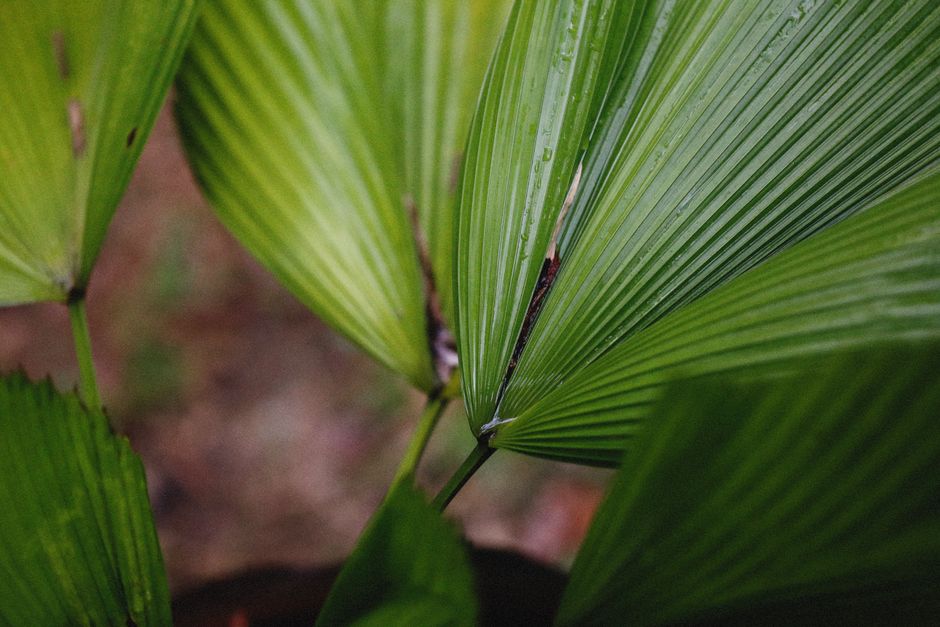
Rhopaloblaste singaporensis

Photo by Alexey Demidov on Pexels

Rhopaloblaste singaporensis Care Guide: Light, Watering, Soil & Essential Tips

Rhopaloblaste singaporensis

Overview

Rhopaloblaste singaporensis, a distinguished member of the Arecaceae family, is a captivating palm species renowned for its elegant form and tropical allure. Originating from the lush rainforests of Singapore, this palm embodies a sophisticated beauty, making it a highly sought-after specimen for indoor cultivation and botanical gardens alike. Its charm lies in its slender, often solitary or clustered trunks, topped with a crown of gracefully arching, pinnate fronds that can range from vibrant green to a deeper, more mature hue. The delicate texture and symmetrical arrangement of its leaflets contribute to an overall aesthetic that is both calming and exotic.

What makes Rhopaloblaste singaporensis particularly special is its ability to bring a touch of the tropics into a domestic setting. Its refined appearance allows it to serve as a striking focal point in any room, effortlessly enhancing interior decor with its natural elegance. Beyond its visual appeal, like many palms, it is also appreciated for its potential to contribute to indoor air quality, albeit to a lesser extent than some other popular houseplants. Its relatively compact growth habit, especially when young, makes it a suitable choice for various living spaces, from spacious homes to more modest apartments.

People are drawn to Rhopaloblaste singaporensis for several reasons. Its unique origin story adds to its mystique, appealing to plant enthusiasts who appreciate rare or geographically specific flora. The lush, vibrant foliage provides a constant reminder of tropical paradises, creating a serene and invigorating atmosphere. For those who enjoy the challenge and reward of nurturing a distinctive plant, this palm offers an engaging experience. It is a living sculpture that evolves and grows, offering a dynamic element to any indoor plant collection.

In terms of suitability, Rhopaloblaste singaporensis is best suited for an intermediate to attentive plant parent. While not exceptionally finicky, it does have specific environmental requirements that, if not met, can lead to stress. It thrives under consistent care and observation, making it a less ideal choice for absolute beginners or individuals with a very busy schedule who might not be able to dedicate regular attention to its needs. However, for those willing to learn and provide the right conditions, the rewards of growing this magnificent palm are immense, offering a long-lasting and beautiful botanical companion. Its steady growth and stately presence make it a rewarding project for anyone looking to elevate their indoor gardening skills and create a truly tropical sanctuary.

Light Requirements

Rhopaloblaste singaporensis thrives best in conditions that mimic its natural habitat on the rainforest floor, where it receives dappled sunlight filtering through the canopy. This translates to a strong preference for bright, indirect light when grown indoors. Sufficient light is crucial for maintaining its vibrant foliage color, promoting robust growth, and ensuring the overall health of the plant.

Ideal light conditions involve placing the palm in a location where it receives several hours of bright ambient light each day, without direct exposure to harsh sun rays. An east-facing window is often considered ideal, as it provides gentle morning sun that is less intense and less likely to scorch the leaves. A north-facing window can also work well, offering consistent, albeit lower intensity, indirect light throughout the day. If a south or west-facing window is the only option, it is imperative to use a sheer curtain or place the palm several feet away from the window to diffuse the intense afternoon sun, which can be detrimental.

Signs of too much light typically manifest as scorched, bleached, or yellowing fronds, especially on the parts of the plant directly exposed to the sun. The edges or tips of the leaflets may turn brown and crispy. This indicates that the light intensity is too high, and the plant is suffering from sunburn. If these symptoms appear, the plant should be immediately moved to a shadier spot or provided with additional light diffusion.

Conversely, signs of too little light include leggy growth, where stems become elongated and sparse as the plant stretches to find light. The fronds may appear dull green, and new growth might be stunted or smaller than usual. Insufficient light can also lead to a decline in overall vigor and make the plant more susceptible to pests and diseases. If the palm is not receiving enough light, its growth will slow considerably, and the vibrant color of its foliage may fade. In such cases, relocating the plant to a brighter, indirect light position or supplementing with a grow light can help rejuvenate it.

When choosing a window placement, growers should observe how light changes throughout the day and with the seasons. Adjustments may be necessary, such as moving the plant slightly further from a window in summer or closer in winter. Providing consistent, bright, indirect light is key to cultivating a healthy and thriving Rhopaloblaste singaporensis.

Watering Guide

Consistent and appropriate watering is paramount for the health of Rhopaloblaste singaporensis, which prefers its soil to be consistently moist but never waterlogged. Overwatering is a common pitfall for many indoor plant enthusiasts, leading to root rot, while underwatering can cause stress and dehydration. Finding the right balance is crucial for this tropical palm.

The general frequency for watering Rhopaloblaste singaporensis is approximately once every 7 to 10 days during its active growing season (spring and summer). However, this is a guideline, and the actual frequency will depend on several factors, including the ambient temperature, humidity levels, pot size, and soil composition. The most reliable method to determine when to water is to check the soil moisture. Growers should allow the top 1 to 2 inches (2.5 to 5 cm) of soil to dry out completely before watering again. Using a finger to feel the soil or a moisture meter can help accurately assess this.

When watering, the preferred method is thorough top watering. Pour water slowly and evenly over the entire surface of the soil until it begins to drain freely from the bottom of the pot. This ensures that the entire root ball is adequately hydrated. It is essential to empty any standing water from the saucer beneath the pot after about 15-20 minutes to prevent the roots from sitting in stagnant water, which can quickly lead to root rot. While bottom watering can be beneficial for some plants to encourage root growth, for palms, consistent top watering helps flush out mineral salts that can accumulate in the soil.

Signs of overwatering typically include yellowing lower fronds, soft or mushy stems, and a general decline in plant vigor. The soil may remain wet for extended periods, and a musty odor can indicate root rot. If these symptoms are observed, watering frequency should be reduced, and the plant may need to be repotted into fresh, well-draining soil after inspecting the roots for damage.

Conversely, signs of underwatering manifest as drooping or wilting fronds, crispy brown leaf tips or edges, and dry, compacted soil that pulls away from the sides of the pot. The plant may appear generally dull and lifeless. If underwatered, the plant should be given a thorough watering, ensuring the soil is fully rehydrated.

Seasonal adjustments to the watering schedule are necessary. During the dormant cooler months of autumn and winter, when growth naturally slows down, Rhopaloblaste singaporensis requires less water. The frequency can be reduced to perhaps once every 2-3 weeks, allowing the soil to dry out a bit more between waterings. Always remember that consistency, rather than strict adherence to a schedule, is key; always check the soil moisture before watering.

Soil & Potting

The success of growing Rhopaloblaste singaporensis largely depends on providing the right soil mix and proper potting conditions. As a tropical palm, it requires a substrate that offers excellent drainage, good aeration, and sufficient moisture retention without becoming waterlogged.

An ideal soil mix for Rhopaloblaste singaporensis is a blend specifically formulated for palms or a custom mix that mimics their natural growing environment. A good recipe typically includes:

  • Peat moss or coco coir (40-50%): Provides excellent moisture retention and a slightly acidic pH.
  • Perlite or coarse sand (20-30%): Ensures superior drainage and aeration, preventing compaction.
  • Pine bark fines or orchid bark (20-30%): Adds structure, improves drainage, and provides additional aeration, mimicking the organic matter found in its native soil.
  • A small amount of compost or worm castings can be incorporated for nutrient enrichment.

The key characteristic of this mix is its ability to drain quickly while still retaining enough moisture to keep the roots consistently damp. Heavy, dense soils that retain too much water will inevitably lead to root rot, which is fatal for palms.

Drainage requirements are non-negotiable. Any pot chosen for Rhopaloblaste singaporensis must have drainage holes at the bottom. Without proper drainage, excess water will accumulate, suffocating the roots and creating an anaerobic environment conducive to fungal diseases. Placing a layer of gravel or broken pot pieces at the bottom of the pot is often recommended, but its effectiveness is debated; simply ensuring the soil mix itself drains well and the pot has holes is usually sufficient.

Pot material recommendations vary based on environmental conditions and watering habits.

  • Plastic pots are often a good choice as they retain moisture longer, which can be beneficial for a plant that prefers consistent soil moisture. They are also lightweight and less prone to breaking.
  • Terracotta pots are porous and allow for better airflow to the roots, which can be advantageous for growers prone to overwatering. However, they also dry out more quickly, requiring more frequent watering.
  • Glazed ceramic pots offer a middle ground, retaining moisture better than terracotta but often heavier and less breathable than plastic.

The pot size guide for Rhopaloblaste singaporensis should follow a gradual progression. Palms generally prefer to be slightly root-bound rather than in an excessively large pot. When repotting, growers should only increase the pot size by 1-2 inches (2.5-5 cm) in diameter. Repotting is typically needed every 2-3 years, or when the plant shows signs of being root-bound (roots emerging from drainage holes, water running straight through, stunted growth). Repotting should be done in spring, using fresh soil mix, and disturbing the root ball as little as possible to minimize stress. Proper soil and pot selection are foundational to the long-term health and vitality of this exquisite palm.

Temperature & Humidity

Rhopaloblaste singaporensis, hailing from the tropical climes of Singapore, naturally thrives in warm temperatures and high humidity. Replicating these conditions indoors is crucial for its optimal growth and overall well-being.

The ideal temperature range for this palm is between 18°C and 29°C (65°F and 85°F). It is tolerant of slightly warmer temperatures, especially if humidity levels are also high. However, it is sensitive to cold drafts and sudden temperature fluctuations. Temperatures consistently below 15°C (59°F) can stress the plant, leading to stunted growth, discoloration of fronds, and increased susceptibility to diseases. It is essential to protect the palm from cold windows during winter months and keep it away from air conditioning vents or open doors that might introduce cold blasts. Conversely, extreme heat above 32°C (90°F) without adequate humidity can also cause stress, wilting, and brown tips.

Humidity is perhaps even more critical than temperature for Rhopaloblaste singaporensis. Its native environment boasts very high atmospheric moisture, and indoor conditions often fall short. The ideal humidity level for this palm is consistently above 60%, ideally ranging between 70% and 80%. Low humidity is a very common cause of brown and crispy leaf tips, which can significantly detract from the palm's aesthetic appeal and health.

Seasonal considerations are important. During the drier winter months, when indoor heating systems are often in use, humidity levels can plummet significantly. This is when the plant is most vulnerable to issues related to low humidity.

There are several effective methods to boost humidity if needed:

  • Pebble Trays: Place the potted palm on a shallow tray filled with pebbles and water. Ensure the bottom of the pot does not sit directly in the water, as this can lead to root rot. As the water evaporates, it increases localized humidity around the plant.
  • Humidifiers: An electric humidifier is arguably the most effective way to maintain consistent high humidity levels, especially in larger rooms or for multiple plants. Cool-mist humidifiers are generally preferred.
  • Grouping Plants: Plants release moisture through transpiration, so grouping several plants together can create a microclimate with higher humidity.
  • Misting: While misting can provide a temporary boost in humidity, its effects are fleeting. Regular, thorough misting (multiple times a day) can be helpful but should not be relied upon as the sole method for increasing humidity. It's also important to ensure good air circulation to prevent fungal issues if misting frequently.
  • Location: Placing the palm in naturally more humid areas of the home, such as a bathroom (if sufficient light is available) or kitchen, can also be beneficial.

Maintaining optimal temperature and humidity levels will ensure Rhopaloblaste singaporensis remains lush, vibrant, and free from common stress-related issues.

Fertilizing

Proper fertilization is essential for the sustained health and vigorous growth of Rhopaloblaste singaporensis, providing the necessary nutrients that potting soil alone cannot indefinitely supply. However, it's crucial to fertilize judiciously, as over-fertilization can be detrimental.

The type of fertilizer recommended for Rhopaloblaste singaporensis is a balanced liquid fertilizer specifically formulated for palms. These fertilizers typically have a slightly higher potassium content and contain essential micronutrients like magnesium, manganese, and iron, which are vital for palm health and often lacking in general-purpose fertilizers. A balanced NPK ratio (Nitrogen-Phosphorus-Potassium) such as 8-2-12 or similar, with added trace elements, is ideal. If a palm-specific fertilizer is unavailable, a general-purpose liquid houseplant fertilizer can be used, but ensure it is diluted to half or even quarter strength to prevent chemical burn.

The frequency of fertilization should align with the plant's growth cycle. Rhopaloblaste singaporensis should be fertilized during its active growing season, which typically runs from spring through late summer. During this period, growers can apply the diluted liquid fertilizer every 3 to 4 weeks. Always apply fertilizer to moist soil, never dry, to prevent root burn. Watering the plant thoroughly before fertilizing helps distribute the nutrients evenly and minimizes the risk of damage.

During the dormancy period, which includes autumn and winter, the plant's growth naturally slows down significantly. During these cooler months, fertilization should be reduced or stopped entirely. The plant does not require as many nutrients when it is not actively growing, and applying fertilizer during dormancy can lead to a buildup of salts in the soil, potentially harming the roots. Resuming fertilization in spring should coincide with the appearance of new growth.

Signs of nutrient deficiency can include general yellowing of older fronds (nitrogen deficiency), stunted growth, or specific discolorations like interveinal chlorosis (yellowing between the veins, often indicating iron or magnesium deficiency). Conversely, signs of over-fertilization include crispy brown leaf tips or edges, a white crust forming on the soil surface, and a general decline in plant health, often resembling drought stress. If over-fertilization is suspected, flush the soil thoroughly with plain water several times to wash out excess salts, and refrain from fertilizing for a few months. Regular, diluted feeding during the growing season is the most effective approach to keeping Rhopaloblaste singaporensis healthy and vibrant.

Common Problems

Despite being a relatively robust palm, Rhopaloblaste singaporensis can encounter a few common issues, often stemming from environmental factors or improper care. Understanding these problems, their symptoms, causes, and solutions is key to maintaining a healthy specimen.

1. Brown Leaf Tips and Edges

  • Symptoms: The most frequent complaint among palm owners is the appearance of brown, crispy tips or edges on the fronds. This browning can start subtly and gradually spread.
  • Causes: The primary causes are low humidity and inconsistent watering. Rhopaloblaste singaporensis thrives in high humidity (60-80%), and dry indoor air (especially with heating/AC) quickly dehydrates the leaf tips. Inconsistent watering, such as allowing the soil to dry out too much between waterings or prolonged periods of underwatering, also contributes significantly. Over-fertilization and fluoride in tap water can also be contributing factors.
  • Solutions: Increase ambient humidity using pebble trays, a humidifier, or by grouping plants. Ensure a consistent watering schedule, allowing the top 1-2 inches of soil to dry out before watering thoroughly. Consider using filtered or distilled water if tap water is suspected. Flush the soil periodically to prevent salt buildup from fertilizers. Trim off the brown tips with clean, sharp scissors, leaving a tiny sliver of brown to avoid cutting into healthy tissue.

2. Yellowing Fronds

  • Symptoms: Fronds, particularly older ones, begin to turn yellow, either entirely or in patches.
  • Causes: Yellowing fronds can indicate a range of issues.
    • Overwatering: This is a very common cause. Saturated soil leads to root rot, preventing roots from absorbing water and nutrients, resulting in yellowing.
    • Underwatering: Prolonged drought stress can also cause fronds to yellow and eventually crisp up.
    • Nutrient Deficiency: Lack of essential nutrients like nitrogen, magnesium, or iron can lead to chlorosis (yellowing).
    • Natural Aging: It's normal for older, lower fronds to yellow and eventually die off as the plant produces new growth.
    • Insufficient Light: Too little light can lead to pale, yellowing foliage and stunted growth.
  • Solutions: Assess your watering routine; ensure soil dries out slightly between waterings and drainage is adequate. If suspected overwatering, check roots for rot and repot if necessary. If underwatering, establish a consistent watering schedule. Fertilize with a palm-specific fertilizer during the growing season. Ensure the plant receives adequate bright, indirect light. Remove naturally yellowing or dead fronds by cutting them close to the trunk with clean shears.

3. Pests: Spider Mites and Mealybugs

  • Symptoms:
    • Spider Mites: Tiny red or brown dots on the undersides of leaves, fine webbing, especially where fronds meet stems, and a general dull or speckled appearance of foliage.
    • Mealybugs: Small, white, cottony masses found in leaf axils, along stems, and on the undersides of leaves. Leaves may appear sticky due to honeydew excretion, and black sooty mold might develop.
  • Causes: Pests are often introduced on new plants or can spread from other infested plants. Low humidity often makes plants more susceptible to spider mites.
  • Solutions:
    • Isolation: Immediately isolate the infested plant to prevent spread.
    • Physical Removal: For light infestations, wipe off pests with a cotton swab dipped in rubbing alcohol or a strong jet of water.
    • Insecticidal Soap/Neem Oil: Apply an insecticidal soap or neem oil solution, thoroughly covering all leaf surfaces (top and bottom) and stems. Repeat every 5-7 days for several weeks to break the pest life cycle.
    • Humidity: Increasing humidity can help deter spider mites.
    • Prevention: Regularly inspect new plants before introducing them to your collection.

Frequently Asked Questions

Q: Is Rhopaloblaste singaporensis safe for pets?

Rhopaloblaste singaporensis is generally considered non-toxic to cats and dogs, making it a safe choice for households with pets. However, it's always wise to discourage pets from chewing on any houseplant, as ingestion of plant material can sometimes cause mild stomach upset.

Q: How often should I repot my Rhopaloblaste singaporensis?

This palm generally prefers to be slightly root-bound, so repotting is typically needed only every 2 to 3 years. Repot when roots start emerging from drainage holes, growth slows significantly, or the plant becomes top-heavy, always increasing the pot size by only 1-2 inches.

Q: Why are the new fronds on my palm smaller than the old ones?

Smaller new fronds often indicate insufficient light, inadequate fertilization, or a lack of consistent watering. Ensure the plant receives bright, indirect light, is fertilized regularly during the growing season, and is kept consistently moist but not waterlogged.

Q: Can Rhopaloblaste singaporensis be grown outdoors?

Rhopaloblaste singaporensis is a tropical palm and can only be grown outdoors year-round in USDA hardiness zones 10-11 or similar climates where temperatures consistently remain above 15°C (59°F). In cooler regions, it must be brought indoors when temperatures drop.

Last updated: May 4, 2026