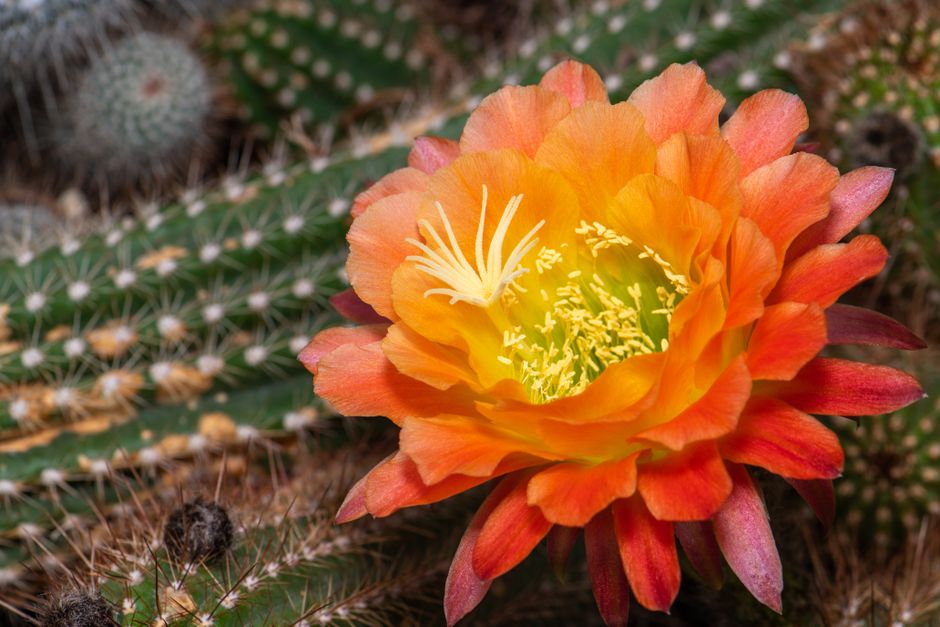
Lobivia rauschii

Photo by Skyler Ewing on Pexels

Lobivia rauschii Care Guide: Light, Watering, Soil & Essential Tips

Lobivia rauschii

🌍 Distribution

1 countries

Overview

Lobivia rauschii, a captivating member of the Cactaceae family, is a small, geophytic cactus highly prized by collectors for its distinctive appearance. Native to the mountainous regions of Bolivia, specifically in the areas around Culpina and Camargo, this species thrives in high-altitude, rocky environments. Its most striking feature is its deeply pigmented, often purple to dark reddish-brown body, which can intensify in color under strong light, providing a stark contrast to its usually golden-yellow, comb-like spines. The plant typically grows as a solitary globe, though it can form small clusters over time, remaining relatively compact with a diameter rarely exceeding 5-7 centimeters (2-3 inches).

The unique coloration and tidy, symmetrical growth habit of Lobivia rauschii make it an exceptionally attractive specimen. Its relatively small size allows it to be grown in limited spaces, making it a popular choice for windowsills, terrariums, and specialized cactus collections. Beyond its aesthetic appeal, the plant produces charming, funnel-shaped flowers, typically vibrant magenta or pink, which emerge from the apex during the warmer months, adding another layer of beauty to its already impressive display. These flowers are often large in proportion to the plant's body, creating a dramatic visual effect.

Lobivia rauschii is generally considered suitable for attentive beginners and intermediate growers. While it is not overly demanding, it requires specific conditions to thrive, particularly regarding light and watering, which differ significantly from typical houseplants. Its specific needs mean it is best suited for individuals who are willing to learn and provide tailored care, rather than those seeking a low-maintenance plant that can be neglected. For those who appreciate its unique beauty and are prepared to offer consistent, appropriate care, Lobivia rauschii can be a highly rewarding addition to any plant collection.

Light Requirements

Proper light is paramount for the health and characteristic coloration of Lobivia rauschii. This cactus naturally inhabits high-altitude environments where it receives abundant, intense sunlight. Therefore, replicating these conditions indoors is crucial for its well-being and to encourage its vibrant purple hues.

Ideal Light Conditions: Lobivia rauschii thrives in bright, indirect light for the majority of the day. A south-facing window is often ideal, particularly if the plant can receive direct morning sun (for 3-5 hours) and then bright, filtered light during the hottest parts of the afternoon. Strong light is essential for the plant to develop and maintain its deep purple pigmentation; insufficient light will result in a greener, less vibrant plant. In regions with extremely intense summer sun, or during peak midday hours, a sheer curtain or a slight offset from the window might be necessary to prevent scorching. East or west-facing windows can also work well, providing several hours of direct morning or afternoon sun, respectively, which is generally less intense than midday sun.

Signs of Too Much Light: While Lobivia rauschii loves light, excessive exposure to unfiltered, intense midday sun, especially after a period of lower light, can lead to sunburn. Symptoms include:

  • Brown or reddish patches: These are typically dry, scabby, and irreversible, appearing on the side of the plant most exposed to the sun.
  • Bleaching: The vibrant purple coloration may fade to a pale, washed-out hue.
  • Stunted growth: The plant may stop growing altogether as it struggles to cope with the stress. If these signs appear, gradually move the plant to a location with slightly less intense light or provide some form of filtered shade during the hottest parts of the day.

Signs of Too Little Light: Insufficient light is a common issue for indoor cacti and can severely impact Lobivia rauschii's health and appearance.

  • Etiolation: This is the most common symptom, characterized by stretched, elongated, and often paler growth. The plant will reach towards the light source, losing its compact, globular shape. This new growth is weak and unattractive.
  • Loss of color: The characteristic purple pigmentation will fade, and the plant will appear greener.
  • Lack of flowering: The plant may fail to produce its beautiful flowers.
  • Increased susceptibility to rot: Weakened plants are more prone to disease. If etiolation occurs, gradually increase the light exposure. Be cautious not to move it directly into intense sun, as this can cause sunburn on the previously shaded tissue. Etiolated growth will not revert to its compact form, but subsequent new growth under proper light will be healthy.

Window Placement Tips:

  • South-facing window: Best for maximum light, but monitor for signs of sunburn during summer.
  • East or West-facing window: Good for morning or afternoon sun, which is generally less intense.
  • Grow lights: If natural light is insufficient, high-quality LED grow lights designed for succulents and cacti can be an excellent supplement. Place them approximately 15-30 cm (6-12 inches) above the plant for 10-14 hours daily.
  • Outdoor placement: In suitable climates, Lobivia rauschii can be grown outdoors during the warmer months. Ensure it receives bright, indirect light or morning sun, protecting it from harsh afternoon sun and heavy rain. Always acclimate the plant slowly when moving it between indoor and outdoor environments.

Watering Guide

Watering is perhaps the most critical aspect of Lobivia rauschii care, as overwatering is the leading cause of plant death. This cactus is adapted to arid conditions and stores water in its body, making it highly susceptible to rot if kept in moist soil for too long. The "soak and dry" method is the most appropriate approach.

Frequency: Watering frequency is highly dependent on environmental factors such as temperature, humidity, light intensity, and pot material.

  • Growing Season (Spring and Summer, roughly April to September in the Northern Hemisphere): During its active growth phase, Lobivia rauschii requires more water. Water thoroughly when the soil is completely dry. This typically means watering every 2-4 weeks. Allow the soil to dry out completely, and then wait an additional few days before watering again to ensure no residual moisture remains.
  • Dormancy (Autumn and Winter, roughly October to March): As temperatures drop and light levels diminish, Lobivia rauschii enters a period of dormancy. During this time, its water requirements are significantly reduced. Water very sparingly, perhaps once every 1-2 months, or even less, just enough to prevent the plant from shriveling excessively. Many growers cease watering entirely for 2-3 months during peak winter dormancy, especially if temperatures are cool.

Method (Top vs. Bottom Watering):

  • Top Watering: Pour water slowly and evenly over the soil surface until it drains out of the bottom of the pot. Ensure the entire soil ball is saturated. Discard any excess water that collects in the saucer after about 15-30 minutes; never let the pot sit in standing water.
  • Bottom Watering: This method can encourage stronger root development. Place the pot in a tray or basin filled with 2-3 cm (1 inch) of water. Allow the pot to soak up water through the drainage holes for 15-30 minutes, or until the top layer of soil appears moist. Remove the pot and let it drain completely before returning it to its spot. While effective, ensure the soil still dries out thoroughly between waterings. Regardless of the method, the key is thorough saturation followed by complete drying.

Signs of Overwatering: Overwatering is detrimental and often fatal for Lobivia rauschii.

  • Soft, mushy spots: The plant's body will feel soft and squishy, often starting from the base. This is a clear sign of rot.
  • Discoloration: The plant may turn black or dark brown, especially at the base or roots.
  • Foul odor: Rotting plant material often emits an unpleasant smell.
  • Yellowing or translucent appearance: Sections of the plant may become discolored and appear waterlogged. If caught early, rot can sometimes be excised, but often, an overwatered plant is beyond recovery. Prevention through proper watering techniques is crucial.

Signs of Underwatering: While less common than overwatering, underwatering can also harm the plant.

  • Wrinkling or shriveling: The plant's body may appear shrunken, wrinkled, or deflated as it uses up its stored water.
  • Stunted growth: Growth will slow or stop entirely.
  • Dry, brittle roots: When repotting, roots may appear dry and shriveled.
  • Lightweight pot: The pot will feel noticeably lighter than usual. Underwatering is generally easier to correct than overwatering. A thorough watering will usually rehydrate the plant, causing it to plump up again within a few days. However, prolonged severe underwatering can damage roots and hinder recovery.

Seasonal Adjustments: Always adjust watering based on the season and environmental conditions. In hotter, brighter conditions, the plant will dry out faster and require more frequent watering. In cooler, darker conditions, it will need significantly less. When in doubt, it is always safer to underwater than to overwater. During winter dormancy, err on the side of extreme dryness.

Soil & Potting

The right soil mix and pot are fundamental for the success of Lobivia rauschii. These elements directly impact drainage, aeration, and root health, which are critical for preventing rot and promoting robust growth.

Ideal Soil Mix: Lobivia rauschii requires an extremely well-draining, gritty, and porous soil mix that mimics its natural rocky habitat. Standard potting soil retains too much moisture and will quickly lead to root rot. A good mix should allow water to pass through quickly and dry out within a few days. A recommended mix typically consists of:

  • 50-70% Inorganic Components: This includes materials like pumice, perlite, coarse horticultural sand (not play sand), crushed granite, or akadama. These provide excellent drainage and aeration. Pumice is particularly favored for its porous nature and ability to retain some moisture without becoming waterlogged.
  • 30-50% Organic Components: This can be a high-quality cactus and succulent potting mix, coco coir, or a small amount of peat moss. The organic material provides some nutrients and helps retain a minimal amount of moisture for the roots. A common and effective recipe is 1 part good quality cactus soil, 1 part pumice, and 1 part coarse perlite or grit. Ensure all components are thoroughly mixed.

Drainage Requirements: Excellent drainage is non-negotiable. The pot must have drainage holes at the bottom to allow excess water to escape freely. Without proper drainage, water will accumulate at the base of the pot, leading to anaerobic conditions and inevitable root rot. Never use a pot without drainage holes unless you are an expert in "gritty mix" layering, which is generally not recommended for beginners.

Pot Material Recommendations:

  • Terracotta (Unglazed Clay): This is the most highly recommended pot material for Lobivia rauschii and most cacti. Terracotta is porous, allowing air and moisture to pass through its walls. This promotes faster drying of the soil, reduces the risk of overwatering, and provides good root aeration.
  • Unglazed Ceramic: Similar to terracotta, these pots offer good breathability.
  • Plastic Pots: Can be used, but they retain moisture for much longer than terracotta. If using plastic, be extra vigilant with watering frequency and ensure the soil mix is even grittier to compensate for the reduced evaporation. Plastic pots are often lighter and cheaper, but their moisture retention increases the risk of rot. Avoid glazed ceramic pots or any material that does not allow for evaporation through its walls, as these will hold moisture for too long.

Pot Size Guide: Lobivia rauschii generally prefers to be slightly root-bound rather than in an overly large pot.

  • Start with a small pot: Choose a pot that is only slightly larger than the plant's diameter, allowing just enough space for root growth without excessive soil volume. For a typical 5-7 cm (2-3 inch) Lobivia rauschii, a 7-10 cm (3-4 inch) pot is usually appropriate.
  • Avoid oversized pots: A pot that is too large will hold an excessive amount of soil, which will retain too much moisture for too long, significantly increasing the risk of overwatering and root rot.
  • Repotting: Repotting is typically done every 2-3 years, or when the plant has outgrown its current pot (roots are filling the pot or emerging from drainage holes). Repot during the active growing season (spring). When repotting, gently remove the old soil, inspect the roots for any signs of rot or damage, and replant in fresh, well-draining soil in a pot only slightly larger than the previous one. After repotting, wait at least a week before the first watering to allow any damaged roots to heal, preventing potential rot.

Temperature & Humidity

Understanding the ideal temperature and humidity ranges is crucial for mimicking Lobivia rauschii's natural habitat and ensuring its long-term health. These cacti are accustomed to significant diurnal (day-night) and seasonal temperature fluctuations.

Ideal Temperature Ranges:

  • Growing Season (Spring and Summer): During its active growth period, Lobivia rauschii thrives in warm temperatures. Ideal daytime temperatures range from 20°C to 30°C (68°F to 86°F). Nighttime temperatures can drop slightly, which is beneficial, but should generally remain above 15°C (59°F). Consistent warmth during this period supports vigorous growth and flowering.
  • Dormancy (Autumn and Winter): A cool, dry dormancy period is essential for Lobivia rauschii's health and to encourage flowering in the subsequent growing season. During dormancy, ideal temperatures range from 5°C to 15°C (41°F to 59°F). Some growers even expose them to temperatures as low as 0°C (32°F) for short periods, provided the plant is kept absolutely dry. It is critical that the plant remains dry at these lower temperatures to prevent chilling damage and rot. Avoid exposing the plant to freezing temperatures for extended periods, especially if there is any moisture in the soil.

Seasonal Considerations:

  • Transitioning: When transitioning from a warm growing season to a cool dormancy, gradually reduce watering as temperatures begin to fall in autumn. Conversely, as spring approaches and temperatures rise, gradually increase watering.
  • Air Circulation: Good air circulation is beneficial at all temperatures, helping to prevent fungal issues and allowing soil to dry more effectively.

Humidity: Lobivia rauschii, being a desert and high-altitude cactus, prefers low humidity.

  • Ideal Humidity: A range of 30% to 50% relative humidity is generally ideal. This is typical of most indoor environments, especially during heating seasons.
  • Avoid High Humidity: High humidity, especially when combined with cool temperatures and poor air circulation, creates an environment conducive to fungal diseases and rot.
  • How to Boost Humidity if Needed (Rarely for this plant): It is highly unlikely that Lobivia rauschii will ever require boosted humidity. In fact, most efforts should be focused on ensuring good air circulation and low humidity. If, for some unusual reason, the ambient humidity is extremely low (e.g., below 20%) and causing issues for other plants, methods like pebble trays (filled with water, ensuring the pot does not sit in water) or grouping plants might be considered for other plants, but are generally not recommended or necessary for this cactus. Misting is strongly discouraged as it can lead to water spotting, fungal problems, and does not effectively increase humidity for an extended period.

Fertilizing

Fertilizing Lobivia rauschii is not a critical component of its care, but it can support healthy growth and flowering when done correctly and sparingly. Cacti are not heavy feeders and can be sensitive to over-fertilization.

Type of Fertilizer:

  • Low Nitrogen, High Phosphorus/Potassium: The most suitable fertilizer for Lobivia rauschii is one specifically formulated for cacti and succulents. These fertilizers typically have a lower nitrogen (N) content and higher phosphorus (P) and potassium (K) content (e.g., NPK ratios like 5-10-10 or 2-7-7). High nitrogen fertilizers can promote soft, leggy growth that is more susceptible to pests and diseases.
  • Micronutrients: Look for a fertilizer that also includes essential micronutrients.
  • Liquid or Granular: Liquid fertilizers are generally easier to control and apply. Granular fertilizers can be used, but ensure they are slow-release and applied very sparingly.

Frequency: Fertilize only during the active growing season (spring and summer) when the plant is actively producing new growth or preparing to flower.

  • Sparingly: A good rule of thumb is to fertilize every 4-6 weeks during the growing season, typically 2-3 times per year.
  • Dilution: Always dilute the fertilizer to half or even a quarter of the strength recommended on the product label. Cacti are sensitive to strong chemical concentrations.
  • Apply to Moist Soil: Never apply fertilizer to dry soil, as this can burn the roots. Always water the plant a day or two before fertilizing to ensure the soil is moist.

Growing Season vs. Dormancy:

  • Growing Season (Spring and Summer): This is the only time to fertilize. Start fertilizing once new growth is observed in spring and discontinue by late summer or early autumn.
  • Dormancy (Autumn and Winter): Absolutely no fertilizer should be applied during the dormancy period. The plant is not actively growing and cannot utilize the nutrients, which can lead to a buildup of salts in the soil and potential root damage.

Tips for Fertilizing:

  • Flush the soil: Periodically (e.g., once a year during the growing season), water the plant thoroughly with plain water until a significant amount drains from the bottom. This helps flush out any accumulated mineral salts from previous fertilizing.
  • Observation: Pay attention to your plant's response. If growth seems healthy and robust, you might even fertilize less frequently. If growth is stunted or pale despite good light and watering, a mild fertilization might be beneficial.
  • Avoid newly repotted plants: Do not fertilize a newly repotted plant for at least 4-6 weeks to allow its roots to recover from any disturbance.

Common Problems

Despite being relatively hardy, Lobivia rauschii can encounter several common issues, primarily stemming from improper environmental conditions or care practices. Understanding the symptoms, causes, and solutions can help growers maintain healthy plants.

1. Root and Stem Rot

  • Symptoms: Soft, mushy spots on the plant's body, often starting at the base or below the soil line. Discoloration (black or dark brown). A foul, decaying odor. The plant may lose its firmness and collapse.
  • Causes: Overwatering is the primary cause, especially when combined with poorly draining soil, a pot without drainage holes, or high humidity/cool temperatures during dormancy.
  • Solutions:
    • Immediate action: If rot is suspected, unpot the plant immediately.
    • Inspect and excise: Carefully remove all soil and inspect the roots and base of the stem. Use a clean, sharp knife to cut away all soft, discolored, or mushy tissue until only healthy, firm green or white tissue remains.
    • Fungicide/Sulfur powder: Dust the cut surfaces with a fungicide or cinnamon powder (a natural antifungal) or horticultural sulfur powder to help prevent further infection.
    • Callus: Allow the plant to air dry in a cool, dry, well-ventilated area for several days to a week (or even longer for larger cuts) until a dry callus forms over the wounds.
    • Repot: Replant in fresh, sterile, extremely well-draining soil mix in a clean pot. Do not water for at least 1-2 weeks after repotting to allow new roots to form and prevent re-infection.
    • Prevention: The best solution is prevention: use gritty soil, pots with drainage, and water only when the soil is completely dry.

2. Etiolation (Stretching)

  • Symptoms: Elongated, stretched, and often paler or greener growth. The plant loses its compact, globular shape, appearing "leggy" or "reaching" towards a light source.
  • Causes: Insufficient light. The plant is desperately searching for more light.
  • Solutions:
    • Increase light gradually: Move the plant to a brighter location. If indoor light is insufficient, consider supplementing with a grow light.
    • Acclimatize: If moving from a dark to a very bright spot, do so gradually over several days to weeks to prevent sunburn.
    • Irreversible damage: Etiolated growth will not revert to its original compact form. The stretched part will remain. Some growers choose to tolerate it, while others might "decapitate" the healthy, compact top and re-root it to start anew, discarding the etiolated base.

3. Sunburn (Scorching)

  • Symptoms: Brown, reddish, or bleached patches on the plant's surface, particularly on the side most exposed to intense sunlight. These spots are dry, hard, and often scabby.
  • Causes: Sudden exposure to intense, direct sunlight, especially after a period of lower light, or prolonged exposure to extreme midday sun during summer.
  • Solutions:
    • Provide shade: Move the plant to a location with bright, indirect light or provide filtered shade during the hottest parts of the day.
    • Acclimatize: Always acclimate plants slowly when moving them from lower light to higher light conditions, especially outdoors.
    • Irreversible damage: Sunburn marks are permanent scars on the plant's surface. While they don't directly harm the plant's health once the cause is removed, they are aesthetically undesirable.

4. Pests (Mealybugs and Spider Mites)

  • Symptoms:
    • Mealybugs: Small, white, cottony masses typically found in crevices, on the spines, or under the plant. They are sap-sucking insects that can weaken the plant and cause distorted growth.
    • Spider Mites: Fine webbing, especially between spines or around new growth. Tiny red, brown, or black dots (the mites themselves) may be visible. Leaves (if present, though not on Lobivia) may show stippling or discoloration.
  • Causes: Often introduced from new plants, or they can appear in stressed environments. Dry, dusty conditions can sometimes encourage spider mites.
  • Solutions:
    • Isolation: Immediately isolate the infested plant to prevent spread.
    • Manual removal: For mealybugs, use a cotton swab dipped in rubbing alcohol (70% isopropyl alcohol) to dab directly onto the pests. For spider mites, a strong spray of water can dislodge them.
    • Insecticidal soap/Neem oil: Apply an insecticidal soap or neem oil solution, ensuring thorough coverage. Repeat applications may be necessary.
    • Systemic insecticides: For severe or persistent infestations, a systemic insecticide can be used as a last resort, following product instructions carefully.
    • Prevention: Regularly inspect your plants, especially new additions. Good air circulation and proper plant health can deter pests.

Frequently Asked Questions

Q: Why isn't my Lobivia rauschii turning purple?

A: The characteristic purple coloration of Lobivia rauschii is primarily induced by strong light exposure. If your plant is predominantly green, it likely needs more intense, direct sunlight. Gradually increase its light exposure to encourage the vibrant purple pigments to develop.

Q: How often should I water Lobivia rauschii during its dormant period?

A: During its winter dormancy (typically autumn through early spring), Lobivia rauschii requires very little water. Many growers cease watering entirely for 2-3 months, especially if kept cool. If the plant shows signs of severe shriveling, a very light watering once every 1-2 months might be given, ensuring the soil dries completely within a few days.

Q: Can I grow Lobivia rauschii outdoors?

A: Yes, Lobivia rauschii can thrive outdoors in suitable climates, particularly during the warmer months. It requires protection from harsh afternoon sun, heavy rainfall, and freezing temperatures. Ensure it is acclimatized slowly when moved outdoors and brought indoors before the first frost.

Q: How do I get my Lobivia rauschii to flower?

A: To encourage flowering, Lobivia rauschii requires a period of cool, dry dormancy during winter, followed by adequate bright light and appropriate watering during the spring and summer growing season. A low-nitrogen fertilizer applied during the growing season can also support bud formation.

Last updated: March 28, 2026