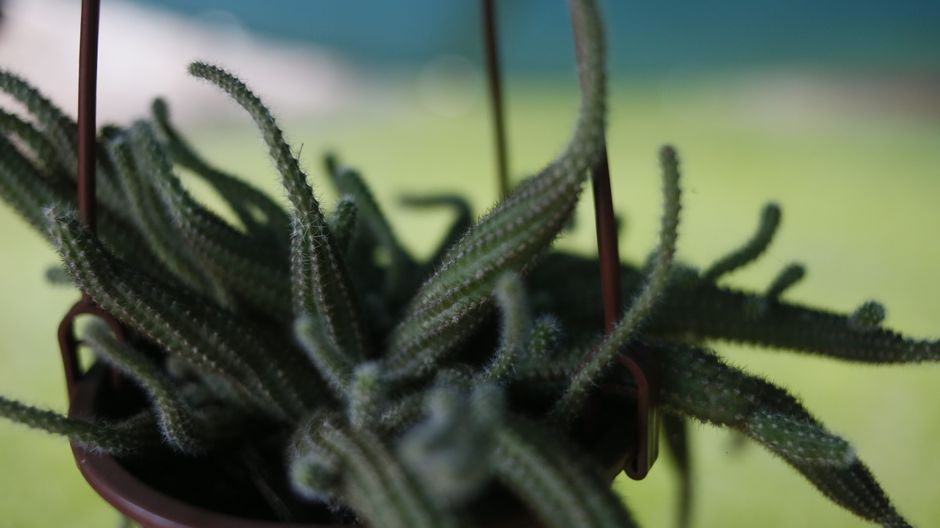
Photo by Vidal Balielo Jr. on Pexels
Monvillea Care Guide: Light, Watering, Soil & Essential Tips
Monvillea
Overview
Monvillea, a fascinating genus within the Cactaceae family, encompasses a diverse group of columnar cacti predominantly native to South America. These architectural plants are cherished for their striking upright growth habits, often forming impressive solitary columns or branching structures that can reach considerable heights in their natural habitats. What makes Monvillea special is its blend of classic cactus resilience with an elegant, often understated, beauty. Many species feature distinct ribs, areoles adorned with spines ranging from short and bristly to longer and more prominent, and produce nocturnal, often fragrant, flowers that give way to colorful fruits.
Originating from arid and semi-arid regions spanning countries like Brazil, Argentina, Paraguay, and Bolivia, Monvillea cacti are adapted to environments characterized by intense sunlight, low humidity, and infrequent rainfall. This inherent hardiness translates into a relatively low-maintenance plant for indoor and outdoor cultivation in appropriate climates, making them appealing to a wide range of plant enthusiasts.
People love Monvillea for several compelling reasons. Their strong, vertical lines add a dramatic, sculptural element to any plant collection or landscape. The subtle variations in spine color, stem texture, and growth patterns provide continuous visual interest. Furthermore, the satisfaction of nurturing a plant that can grow to impressive sizes over time, and occasionally witness its beautiful, albeit fleeting, blooms, is highly rewarding. For those seeking a unique desert aesthetic without the constant demands of more delicate plants, Monvillea offers a perfect balance.
Monvillea is an excellent choice for a variety of growers. It suits beginners well due to its forgiving nature regarding watering and general care, as long as its fundamental needs for light and drainage are met. Its resilience makes it tolerant of occasional neglect. However, it also provides ample opportunity for attentive growers to delve into the nuances of cactus cultivation, observe its growth patterns, and optimize conditions for flowering. For busy individuals, its infrequent watering schedule is a significant advantage, while for those who enjoy spending time with their plants, Monvillea offers a sturdy canvas for observation and care. Ultimately, anyone with an appreciation for the unique beauty and robust character of cacti will find a Monvillea a cherished addition to their botanical repertoire.
Light Requirements
Monvillea cacti, like most members of the Cactaceae family, are sun-worshippers by nature and require abundant light to thrive, maintain their compact form, and encourage flowering. Providing the correct light conditions is paramount to their health and development.
Ideal Light Conditions: Monvillea prefers full sun to bright indirect light. In their native habitats, they are exposed to unfiltered sunlight for most of the day. Indoors, this translates to the brightest possible location. A minimum of 6-8 hours of direct sunlight per day is generally recommended during their active growing season (spring and summer). If grown outdoors, they can tolerate and often prefer full sun exposure, especially in climates where the intensity of the midday sun is not excessively harsh.
Signs of Too Much Light: While Monvillea loves sun, sudden exposure to intense, unacclimated light can lead to sun scorch. Symptoms typically include:
- Yellowing or bleaching: Patches on the side of the plant most exposed to the sun may turn pale yellow or white.
- Browning or reddish discoloration: In more severe cases, the tissue can turn brown, reddish, or develop hard, crusty patches. This damage is irreversible on the affected tissue, though the plant can continue to grow from undamaged areas.
- Stunted growth: The plant may appear stressed and cease to grow actively.
If these signs appear, it indicates the plant is receiving too much direct, unshaded sun, or it was moved too quickly from a lower light environment to a high light one. Gradual acclimation is key when changing light conditions.
Signs of Too Little Light: Insufficient light is a common issue for indoor cacti and can lead to several problems for Monvillea:
- Etiolation: This is the most distinct sign. The plant will stretch towards the light source, producing thin, pale, and weak growth that is significantly narrower than the established stem. This growth is often described as "leggy" or "stretched." Etiolated growth cannot revert to its original healthy form.
- Pale green color: The vibrant green (or other characteristic color) of the stem may fade to a sickly, pale green or yellowish hue.
- Lack of flowering: Monvillea cacti require ample light to accumulate the energy needed for flower production. If your plant is not blooming, insufficient light is often a primary culprit.
- Weak spine development: Spines may be fewer, shorter, or less robust than they should be.
Window Placement Tips:
- Northern Hemisphere: A south-facing window is typically the best option for providing the intense light Monvillea craves. East or west-facing windows can also work, but an east-facing window provides gentler morning sun, while a west-facing window offers more intense afternoon sun, which might require some acclimation.
- Southern Hemisphere: A north-facing window will provide the most intense and prolonged sunlight.
- Supplementation: If natural light is insufficient, especially during winter months or in darker homes, consider supplementing with grow lights. Full-spectrum LED grow lights are highly effective and energy-efficient. Position them directly above the plant, ensuring adequate intensity for several hours a day.
- Rotation: Regularly rotate your Monvillea to ensure all sides receive adequate light, promoting even growth and preventing one-sided stretching. This is particularly important for columnar species.
- Outdoor Placement: In suitable climates (USDA zones 9-11 typically), Monvillea can thrive outdoors in full sun. When moving an indoor plant outdoors, always acclimate it gradually over 1-2 weeks, starting in a partially shaded spot and slowly moving it into brighter light to prevent sun scorch.
Watering Guide
Proper watering is arguably the most critical aspect of Monvillea care, as these desert dwellers are highly susceptible to overwatering, which can quickly lead to root rot. The key principle is to emulate their natural environment: periods of thorough watering followed by prolonged dry spells.
Frequency:
- Active Growing Season (Spring and Summer): During these warmer months, when the plant is actively growing, Monvillea requires more frequent watering. The general rule is to water thoroughly only when the soil has completely dried out. Depending on environmental factors such as temperature, humidity, and pot material, this could mean watering every 2 to 4 weeks. It is always safer to err on the side of underwatering than overwatering. Use a moisture meter or insert your finger deep into the soil to confirm dryness before watering.
- Dormancy (Fall and Winter): As temperatures drop and daylight hours shorten, Monvillea enters a period of dormancy. During this time, its metabolic activity slows significantly, and it requires very little water. Reduce watering frequency dramatically, perhaps to once every 4-6 weeks, or even less frequently (monthly or bi-monthly), especially if temperatures are cool. Some growers opt for no water at all during the coldest winter months, particularly if the plant is exposed to low temperatures. The goal is to keep the plant hydrated enough to prevent severe shriveling but dry enough to prevent rot.
Method (Top vs. Bottom Watering):
- Top Watering: This is the most common method. Pour water slowly and evenly over the soil surface until it drains freely from the pot's drainage holes. Ensure the entire root ball is saturated. Discard any excess water that collects in the saucer after 15-30 minutes to prevent the pot from sitting in standing water, which can lead to rot. Avoid getting water on the stem or spines, especially in cooler, humid conditions, as this can encourage fungal growth.
- Bottom Watering: This method can be very effective for ensuring thorough saturation and encouraging deep root growth. Place the potted Monvillea in a tray or sink filled with 1-2 inches of water. Allow the plant to soak for 20-30 minutes, or until the topsoil feels moist. Remove the plant from the water and let it drain completely before returning it to its spot. This method is particularly useful for very dry or hydrophobic soil that struggles to absorb water from the top.
Signs of Overwatering: Overwatering is the most common cause of Monvillea demise.
- Mushy or soft stems: The most definitive sign. The base of the plant, or sections of the stem, may feel soft, spongy, or even slimy to the touch.
- Yellowing and wilting: Despite the soil being wet, the plant may look unhealthy, yellow, or appear to wilt as if underwatered, because the roots are rotting and cannot absorb water.
- Foul odor: A rotting plant often emits a distinct, unpleasant smell.
- Black spots or lesions: Fungal infections can manifest as dark spots on the stem.
- Root rot: If you unpot the plant, the roots will appear dark, mushy, and easily break apart, rather than firm and white/tan.
Signs of Underwatering: While less immediately fatal, prolonged underwatering can also stress the plant.
- Shriveling or wrinkling: The stem may appear to shrink, develop wrinkles, or feel less plump and firm.
- Stunted growth: Growth will slow or cease entirely.
- Light pot weight: The pot will feel exceptionally light when dry.
- Hardened soil: The soil may become extremely dry and compacted, pulling away from the sides of the pot.
Seasonal Adjustments: Always adjust your watering schedule based on the season, temperature, and light levels. In hot, bright conditions, more frequent watering is needed. In cooler, darker conditions, significantly less water is required. When in doubt, always wait an extra few days before watering. It's better to have a slightly thirsty Monvillea than a rotting one.
Soil & Potting
The right soil and pot are crucial for Monvillea's health, primarily to ensure excellent drainage and aeration, mimicking their native arid environments.
Ideal Soil Mix: Monvillea absolutely requires a very well-draining, gritty soil mix. Standard potting soil is far too heavy and retains too much moisture, leading to root rot. The ideal mix should allow water to pass through quickly and dry out efficiently. A good starting point is a specialized cactus and succulent potting mix. However, even these often benefit from further amendment. An excellent DIY mix typically consists of:
- 50% Cactus/Succulent Potting Mix: This provides some organic matter and a base.
- 50% Inorganic Amendments: This is where the crucial drainage comes from. Options include:
- Perlite: Lightweight, porous, and excellent for aeration.
- Pumice: Similar to perlite but heavier and less prone to floating. Offers superior drainage and holds some moisture.
- Coarse Sand (Horticultural Sand): Provides grit but ensure it's coarse, not fine play sand, which can compact.
- Grit/Small Gravel: Enhances drainage and stability.
- Lava Rock (Small pieces): Porous and provides good aeration.
- Akadama or Kanuma: Japanese clay granules, excellent for drainage and aeration, often used for bonsai. A good blend might be 1 part cactus mix, 1 part pumice, and 1 part coarse sand or perlite. The goal is a mix that feels gritty and drains almost instantly.
Drainage Requirements: Excellent drainage is non-negotiable.
- Potting mix: As described above, the mix itself must be extremely porous.
- Drainage holes: The pot MUST have adequate drainage holes at the bottom. Pots without drainage holes are unsuitable for Monvillea, as they inevitably lead to waterlogging and root rot.
- No drainage layer: Contrary to popular belief, adding a layer of gravel or broken pot shards at the bottom of the pot does NOT improve drainage. In fact, it can create a "perched water table" effect, where water accumulates just above the gravel layer, keeping the soil wetter for longer. The entire soil column should be uniform in its drainage properties.
Pot Material Recommendations:
- Terracotta or Unglazed Ceramic Pots: These are highly recommended for Monvillea. Their porous nature allows for excellent airflow to the roots and facilitates the evaporation of excess moisture from the soil through the pot walls. This helps the soil dry out faster, significantly reducing the risk of overwatering and root rot.
- Plastic Pots: While not ideal, plastic pots can be used, especially for smaller plants. However, they retain moisture for much longer than terracotta, requiring more careful and infrequent watering. If using plastic, ensure it has ample drainage holes and consider adding extra inorganic amendments to the soil mix to compensate for the pot's moisture retention.
- Glazed Ceramic Pots: Similar to plastic, glazed pots do not allow for air circulation or moisture evaporation through their walls. Use with caution and adjust watering accordingly.
Pot Size Guide:
- Snug Fit: Monvillea generally prefers to be slightly root-bound rather than overpotted. Choose a pot that is only slightly larger than the plant's current root ball, typically about 1-2 inches (2.5-5 cm) wider in diameter than the previous pot.
- Avoid Overpotting: Placing a small cactus in a very large pot with too much soil volume is a recipe for disaster. The excessive amount of soil will retain moisture for too long, increasing the risk of root rot before the plant's roots can utilize all the water.
- Repotting Frequency: Repotting is usually needed every 2-3 years, or when the plant becomes visibly root-bound (roots emerging from drainage holes, stunted growth). Repotting is best done during the active growing season (spring to early summer) to allow the plant to establish quickly. When repotting, gently remove old soil, inspect roots for any signs of rot, and repot into fresh, dry cactus mix. Do not water for a week or two after repotting to allow any root damage to heal, preventing potential infection.
Temperature & Humidity
Monvillea cacti are native to warm, arid, and semi-arid regions, and their ideal environmental conditions reflect this heritage. Understanding their temperature and humidity preferences is key to successful cultivation.
Ideal Ranges:
- Temperature during Active Growth (Spring & Summer): Monvillea thrives in warm temperatures during its active growth period. An ideal range is between 21°C and 32°C (70°F and 90°F). They can tolerate higher temperatures, especially with good air circulation, but growth may slow down significantly above 35°C (95°F) if conditions are too dry.
- Temperature during Dormancy (Fall & Winter): To encourage a period of rest and potentially stimulate flowering in the spring, Monvillea benefits from cooler temperatures during dormancy. An ideal range is between 10°C and 18°C (50°F and 65°F). It's crucial that the plant remains dry when temperatures are low, as cold and wet conditions are a guaranteed path to root rot.
- Frost Tolerance: Monvillea is not frost-tolerant. Temperatures consistently below 4°C (40°F) can cause significant damage or even kill the plant. If growing outdoors in regions that experience frost, the plant must be brought indoors or provided with protection when cold temperatures are anticipated. Brief dips to just above freezing might be tolerated by mature, healthy plants if kept completely dry, but it's best to avoid them.
Seasonal Considerations:
- Summer Heat: During hot summer months, ensure good air circulation to prevent heat stress and reduce the risk of fungal issues, especially if humidity levels are naturally higher. Outdoor plants will generally fare well in direct sun, but indoor plants may benefit from an open window or fan to circulate air.
- Winter Chill: The cooler, drier conditions of winter are essential for Monvillea to enter dormancy. This period of rest is important for overall plant health and is often a prerequisite for flower production in the following spring. Avoid placing the plant near cold drafts or directly against cold window panes during freezing weather. Conversely, avoid keeping it too warm and watering it frequently during winter, as this can disrupt its natural cycle and lead to etiolated, weak growth.
Humidity:
- Low Humidity Preferred: Monvillea cacti are accustomed to low humidity environments. An ideal range is typically between 30% and 50% relative humidity. They are generally tolerant of typical indoor household humidity levels, which often fall within or below this range.
- High Humidity Concerns: High humidity, especially when combined with cool temperatures and poor air circulation, can be detrimental. It significantly increases the risk of fungal diseases, particularly stem rot or powdery mildew, as moisture lingers on the plant's surface and in the soil.
- How to Boost Humidity (Not Needed for Monvillea): Unlike many tropical houseplants, Monvillea does not need or benefit from boosted humidity. Misting, pebble trays, or humidifiers are generally counterproductive for cacti and should be avoided. Instead, the focus should be on providing excellent air circulation to ensure any moisture on the plant or in the soil evaporates quickly. If you live in a naturally very humid climate, ensuring maximum air movement (e.g., with a small fan) is even more critical.
In summary, provide Monvillea with warm, dry conditions during its growing season and cooler, very dry conditions during its dormant period, always prioritizing excellent air circulation.
Fertilizing
While Monvillea cacti are not heavy feeders, providing appropriate nutrients during their active growing season can promote healthier growth, more robust spine development, and encourage flowering.
Type of Fertilizer:
- Low Nitrogen, High Phosphorus/Potassium: The ideal fertilizer for Monvillea (and most cacti) is one that is specifically formulated for cacti and succulents. These fertilizers typically have a lower nitrogen (N) content and higher phosphorus (P) and potassium (K) content.
- Nitrogen (N): Promotes leafy green growth. Too much nitrogen can lead to soft, weak, and susceptible-to-rot growth in cacti.
- Phosphorus (P): Essential for root development, flowering, and fruit production.
- Potassium (K): Important for overall plant health, disease resistance, and water regulation.
- Diluted General-Purpose Fertilizer: If a specialized cactus fertilizer is unavailable, a balanced liquid fertilizer with a low NPK ratio (e.g., 5-10-10 or similar) can be used, but it should always be diluted to half or even quarter strength of the recommended dosage. Over-fertilizing is more harmful than under-fertilizing for cacti.
- Micronutrients: Ensure the chosen fertilizer also contains essential micronutrients like calcium, magnesium, and iron, which are vital for overall plant health.
Frequency:
- Growing Season (Spring and Summer): Fertilize only during the plant's active growth period. For Monvillea, this typically means once every 4 to 6 weeks from spring through late summer. The exact frequency can depend on the strength of the fertilizer and the plant's growth rate.
- Application: Always apply fertilizer to moist soil, never to dry soil, to prevent root burn. Water the plant thoroughly the day before fertilizing, then apply the diluted fertilizer solution during the next watering cycle.
Growing Season vs. Dormancy:
- Active Growing Season: This is the only time to fertilize. As temperatures rise and daylight hours lengthen in spring, the plant "wakes up" and begins to actively grow. This is when it can efficiently absorb and utilize nutrients.
- Dormancy (Fall and Winter): Do not fertilize Monvillea during its dormant period. As the plant's metabolism slows down in cooler, darker months, it cannot process nutrients effectively. Fertilizing during dormancy can lead to a buildup of salts in the soil, which can burn the roots and stress the plant. It can also encourage weak, etiolated growth if the plant is forced to grow without adequate light.
- New Plants/Repotted Plants: Avoid fertilizing newly acquired plants for at least a month to allow them to acclimate. Similarly, do not fertilize recently repotted plants for 4-6 weeks to give their roots time to recover from any disturbance and establish in the new soil. The fresh potting mix will typically contain enough nutrients for this initial period.
Always observe your Monvillea for signs of nutrient deficiency (e.g., yellowing older growth, stunted growth, pale color) or excess (e.g., crispy leaf tips, white crust on soil surface from salt buildup), and adjust your fertilizing schedule accordingly. When in doubt, it's always safer to under-fertilize than to over-fertilize a cactus.
Common Problems
Despite their hardy nature, Monvillea cacti can encounter a few common issues, often stemming from improper environmental conditions or care practices. Recognizing the symptoms, understanding the causes, and implementing timely solutions are key to maintaining a healthy plant.
1. Root Rot
- Symptoms: This is the most prevalent and often fatal issue for Monvillea. Symptoms include a mushy, soft, or discolored base of the stem (often yellow, brown, or black). The plant may appear wilted or shriveled despite the soil being wet, as the rotting roots can no longer absorb water. A foul, earthy odor emanating from the soil or base of the plant is another strong indicator.
- Causes: Primarily caused by overwatering (too frequent or too much water) and/or poor drainage (heavy, water-retentive soil, lack of drainage holes, or pot sitting in standing water). Cold temperatures combined with wet soil significantly exacerbate the problem.
- Solutions:
- Unpot immediately: Carefully remove the plant from its pot.
- Inspect roots: Gently brush away as much soil as possible. Healthy roots are firm and typically white or tan. Rotten roots are dark brown or black, soft, mushy, and easily break off.
- Prune affected areas: Using a sterile, sharp knife or clippers, cut away all rotten parts of the roots and any soft, discolored stem tissue until only firm, healthy tissue remains. Make clean cuts.
- Callus: Allow the trimmed plant to air dry in a warm, dry, well-ventilated area for several days to a week. This allows the cut surfaces to form a callus, preventing further infection.
- Repot: Once callused, repot into a fresh, sterile, very well-draining cactus mix and a clean pot (preferably terracotta).
- Adjust watering: Do not water for at least 1-2 weeks after repotting to allow the plant to settle and any minor root damage to heal. Subsequently, strictly adhere to the "dry out completely" watering rule.
2. Etiolation (Stretching)
- Symptoms: Characterized by thin, pale, weak, and elongated growth, often significantly narrower than the established stem. The plant appears to be "reaching" or stretching towards a light source. The spines on etiolated growth are also typically sparse and weak.
- Causes: Almost exclusively caused by insufficient light. Monvillea needs abundant direct sunlight. If light levels are too low, the plant will desperately try to grow taller to find more light, resulting in stretched, unhealthy growth.
- Solutions:
- Increase light: Move the plant to the brightest possible location. If indoors, this means a south-facing window (Northern Hemisphere) or supplementing with a strong grow light.
- Prune: Etiolated growth will not revert to its healthy, compact form. To restore the plant's aesthetic and health, the stretched section usually needs to be pruned off. You can cut the etiolated top section off (allowing the cut surface to callus) and attempt to propagate it as a cutting, or simply remove it to encourage healthier side shoots from the main stem.
- Acclimation: When moving a plant from low light to high light, do so gradually over 1-2 weeks to prevent sun scorch.
3. Pests (Mealybugs & Spider Mites)
- Symptoms:
- Mealybugs: Small, white, cottony masses typically found in crevices, on the stem, or at the base of the plant. They suck sap, leading to stunted growth, yellowing, and general decline.
- Spider Mites: Tiny, almost invisible pests that cause stippling (tiny dots) on the plant surface, leading to a dull, dusty appearance. Fine webbing may be visible, especially at the tips or between spines. Severe infestations cause yellowing and can severely weaken the plant.
- Causes: Pests can be introduced from new plants, from outdoors, or can proliferate when the plant is stressed (e.g., from improper watering or light).
- Solutions:
- Isolate: Immediately isolate the infested plant to prevent spread.
- Manual removal: For mealybugs, use a cotton swab dipped in rubbing alcohol (70% isopropyl alcohol) to wipe away visible pests. For spider mites, a strong spray of water can dislodge them.
- Insecticidal soap/Neem oil: Apply a horticultural insecticidal soap or neem oil spray, ensuring thorough coverage of the plant. Repeat applications according to product instructions (typically every 7-10 days) to break the pest life cycle.
- Systemic insecticides: For severe or persistent infestations, a systemic insecticide formulated for cacti can be used as a last resort, following all safety instructions.
- Environmental control: Good air circulation and proper plant care (watering, light) help prevent pest outbreaks.
4. Sun Scorch
- Symptoms: Brown, yellow, or bleached patches appearing on the side of the plant most directly exposed to intense sunlight. The affected tissue may become hard, crusty, or develop a reddish tint.
- Causes: Sudden exposure to very intense, direct sunlight after being in a lower light environment. This is common when moving an indoor plant directly outdoors into full sun without acclimation, or placing a plant too close to a very strong grow light.
- Solutions:
- Adjust placement: Move the plant to a location with slightly less intense direct sun, or provide some partial shade during the hottest part of the day.
- Acclimation: Always acclimate plants gradually when changing light conditions. Start in a brighter spot for a few hours, then slowly increase exposure over a week or two.
- Damage is permanent: The scorched tissue will not recover its original appearance, but the plant can continue to grow from healthy areas. New growth will be healthy if conditions are corrected.
Frequently Asked Questions
Q: How often should I repot my Monvillea?
Monvillea generally prefers to be slightly root-bound and does not require frequent repotting. Repotting is typically needed every 2-3 years, or when the plant shows signs of being root-bound, such as roots emerging from drainage holes or significantly stunted growth despite adequate care. Always repot into a pot only slightly larger than the current one, using fresh, well-draining cactus mix.
Q: Can Monvillea be grown outdoors?
Yes, Monvillea can thrive outdoors in suitable climates that mimic its native habitat. This typically means USDA hardiness zones 9-11 or warmer, where temperatures do not consistently drop below 4°C (40°F) and there is no risk of frost. When moving an indoor Monvillea outdoors, always acclimate it gradually to direct sunlight over 1-2 weeks to prevent sun scorch.
Q: Why isn't my Monvillea flowering?
The most common reasons for a Monvillea not flowering are insufficient light, lack of a proper winter dormancy period, or inadequate nutrients. Ensure your plant receives at least 6-8 hours of direct sunlight daily during the growing season and experiences cooler, drier conditions (around 10-18°C / 50-65°F) during winter dormancy. Fertilize with a low-nitrogen, high-phosphorus/potassium cactus fertilizer during spring and summer.
Q: What is the best way to propagate Monvillea?
Monvillea is most commonly propagated from stem cuttings. To do this, carefully cut a healthy section of the stem using a sterile knife, ensuring the cutting is at least 4-6 inches long. Allow the cut end to callus in a warm, dry, well-ventilated area for 1-2 weeks until a dry, firm skin forms, then plant the callused cutting in a well-draining cactus mix. Do not water for the first 2-3 weeks, allowing roots to form before introducing moisture.