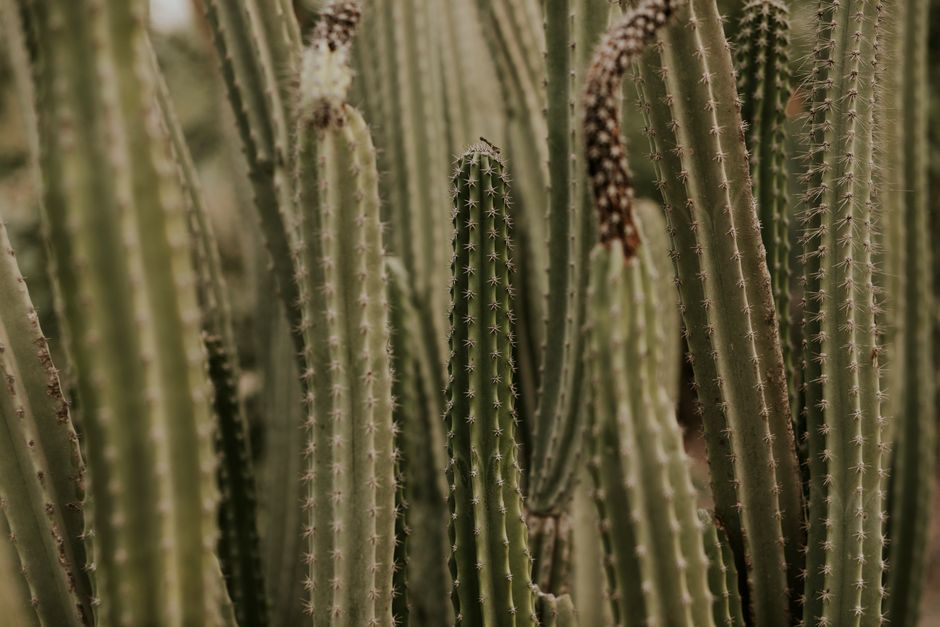
Photo by Gerzon Piñata on Pexels
Trichocereus macrogonus Care Guide: Light, Watering, Soil & Essential Tips
Trichocereus macrogonus
🌍 Distribution
15 countries
Overview
Trichocereus macrogonus, often referred to simply as Echinopsis macrogona in modern botanical classifications, is a striking columnar cactus species belonging to the Cactaceae family. Native to the high-altitude regions of Bolivia, Peru, and Argentina, this plant is celebrated for its robust, upright growth habit, distinctive blue-green epidermis, and prominent ribs adorned with short, stout spines. Its name, "macrogonus," translates to "large angles," referencing its typically well-defined ribs.
What makes Trichocereus macrogonus particularly special is its architectural beauty and resilience. It develops into an impressive, often branching, column over time, making it a focal point in any collection or landscape. The subtle glaucous bloom on its skin gives it a unique pastel hue, contrasting beautifully with its yellowish to brown spines. While its nocturnal, white to pale pink flowers are rarely seen in cultivation indoors, they are magnificent when they appear, typically during warmer months.
People love Trichocereus macrogonus for several reasons. Its relatively fast growth rate compared to many other cacti allows growers to witness significant development in a shorter period. Its ornamental value is undeniable, providing a strong vertical element and a touch of desert elegance. Furthermore, it is known for its hardiness and adaptability, making it a rewarding plant to cultivate.
This cactus is well-suited for both attentive beginners and experienced growers. While it is not overly finicky, it thrives best with consistent observation and adherence to its specific environmental needs, particularly regarding light and watering. Its forgiving nature makes it an excellent choice for those looking to expand their cactus collection without encountering overly complex care routines, yet its impressive stature and distinctive features also appeal to seasoned enthusiasts.
Light Requirements
Trichocereus macrogonus is a sun-loving cactus that thrives on abundant light. Providing the correct amount of illumination is crucial for its health, growth, and characteristic form.
Ideal Light Conditions: This species prefers full sun to partial sun. For optimal growth and to maintain its compact, columnar shape, it should receive at least 6-8 hours of direct sunlight per day. In its natural habitat, it is exposed to intense, unfiltered sunlight for most of the day. When grown outdoors, a south-facing (in the Northern Hemisphere) or north-facing (in the Southern Hemisphere) location that receives direct morning sun and some afternoon shade during the hottest parts of the day can be ideal, especially in regions with scorching summers. Indoors, placing it directly in front of a south-facing window is generally the best option to ensure it gets sufficient light.
Signs of Too Much Light (Sunburn): While Trichocereus macrogonus loves sun, sudden exposure to intense, unacclimated light can lead to sunburn. Symptoms include yellowing, browning, or even white, scarred patches on the epidermis, particularly on the side most exposed to the sun. This damage is permanent, though new growth will be healthy if conditions are adjusted. If moving an indoor plant outdoors or to a significantly brighter spot, acclimate it gradually over 1-2 weeks by increasing its light exposure incrementally.
Signs of Too Little Light (Etiolation): Insufficient light is a common issue for indoor cacti and leads to a condition called etiolation. This manifests as stretched, pale, and unusually thin growth, often appearing lighter green or yellowish compared to the plant's older, robust sections. The plant attempts to "stretch" towards a light source, sacrificing its natural compact form and strength. Etiolated growth is weak and will not revert to its original thickness, although future growth will be normal if light conditions improve.
Window Placement Tips:
- Indoors: A south-facing window (in the Northern Hemisphere) is almost always the best choice for providing the intense light Trichocereus macrogonus needs. East-facing windows can offer good morning sun but might not be sufficient for the entire day. West-facing windows can provide intense afternoon sun, which might require some shading during peak summer hours to prevent sunburn, especially if the plant hasn't been acclimated. North-facing windows typically offer too little light.
- Outdoors: Gradually introduce the plant to full sun. Start with a location that receives morning sun and afternoon shade, then slowly increase direct sun exposure over several days or weeks. This allows the plant to develop its protective waxy layer. In very hot climates, some afternoon shade can prevent scorching.
- Grow Lights: If natural light is inadequate, particularly during winter or in dimly lit indoor environments, high-quality LED grow lights can supplement or replace natural sunlight. Position the lights close enough to prevent etiolation but far enough to avoid burning the plant.
Watering Guide
Proper watering is paramount for the health of Trichocereus macrogonus. As a desert plant, it is highly susceptible to root rot if overwatered, but it also requires sufficient moisture during its active growing season.
Frequency: The golden rule for watering Trichocereus macrogonus is to water thoroughly and then allow the soil to dry out completely before watering again.
- Active Growing Season (Spring to Early Fall): During warmer months (typically April to September), when the plant is actively growing, watering may be required every 2-4 weeks, depending on environmental factors such as temperature, humidity, pot size, and soil composition. Always check the soil moisture deeply, not just the surface. Insert a finger or a wooden skewer into the soil; if it comes out dry, it's time to water.
- Dormancy (Late Fall to Winter): As temperatures drop and daylight hours shorten (typically October to March), the plant enters a dormant phase. During this period, reduce watering significantly. Water once a month at most, or even cease watering entirely for a few months, especially if temperatures are consistently below 10°C (50°F). Minimal water prevents the roots from drying out completely but avoids rot.
Method (Top vs. Bottom Watering):
- Top Watering: Pour water slowly and evenly over the soil surface until it drains freely from the pot's drainage holes. Ensure the entire root ball is saturated. Discard any excess water that collects in the saucer to prevent the plant from sitting in standing water, which can lead to root rot.
- Bottom Watering: This method encourages deeper root growth. Place the pot in a tray or basin filled with 2-3 inches of water. Allow the pot to soak for 20-30 minutes, or until the top surface of the soil appears damp. Remove the pot and let any excess water drain completely before returning it to its spot. This method is excellent for ensuring thorough hydration without disturbing the soil surface or washing away nutrients.
Signs of Overwatering: Overwatering is the most common killer of cacti.
- Symptoms: Soft, mushy stem, especially at the base; yellowing or darkening of the stem; a foul odor emanating from the soil; stunted growth; and eventually, plant collapse. These are all signs of root rot.
- Causes: Too frequent watering, poorly draining soil, or a pot without drainage holes.
- Solution: If caught early, unpot the plant, remove all old soil, inspect roots for rot (mushy, black, or brown roots), trim away any affected parts with a sterile knife, allow the plant to callus for several days in a dry, airy spot, then repot in fresh, dry, well-draining soil. Do not water for at least a week after repotting.
Signs of Underwatering: While less common than overwatering, prolonged underwatering can also harm the plant.
- Symptoms: Shriveling, wrinkling, or a deflated appearance of the stem; stunted growth; the plant may feel lighter than usual.
- Causes: Infrequent watering, particularly during the active growing season, or insufficient watering that only wets the surface of the soil.
- Solution: Water thoroughly using either top or bottom watering methods. The plant should plump up within a few days. Adjust your watering schedule to be more consistent during the growing season.
Seasonal Adjustments: Strict adherence to seasonal watering changes is crucial. In winter, when light levels are low and temperatures are cool, the plant's metabolic processes slow down significantly, and it requires very little moisture. Resuming regular watering too early in spring can also lead to issues if the plant isn't fully out of dormancy and actively growing. Always prioritize dry soil before rewatering.
Soil & Potting
The right soil and pot are fundamental to the health of Trichocereus macrogonus, directly impacting drainage and aeration, which are critical for preventing root rot.
Ideal Soil Mix: Trichocereus macrogonus absolutely requires a very well-draining, gritty soil mix that mimics its natural arid environment. Standard potting soil is too dense and retains too much moisture, leading to root problems. An ideal mix should be roughly 50-70% inorganic materials and 30-50% organic materials.
- Inorganic Components: These provide excellent drainage and aeration. Examples include perlite, pumice, coarse sand (horticultural grade, not play sand), small gravel, or akadama.
- Organic Components: These retain some moisture and nutrients while still allowing for good drainage. Examples include high-quality cactus potting mix, coco coir, or a small amount of peat moss.
- Recommended Mix Ratio: A good starting point is a 1:1 ratio of commercial cactus/succulent potting mix to an inorganic amendment like pumice or perlite. For even better drainage, consider a mix like 1 part potting soil, 1 part coco coir, and 2 parts perlite/pumice. The key is that the mix should drain almost instantly when watered.
Drainage Requirements: Excellent drainage is non-negotiable. The pot must have at least one large drainage hole at the bottom to allow excess water to escape. Without proper drainage, water will sit around the roots, creating an anaerobic environment that fosters fungal and bacterial growth, inevitably leading to root rot. Never use a pot without drainage holes unless you are an expert at creating a false bottom with a very thick layer of drainage material and are extremely careful with watering (which is not recommended for beginners).
Pot Material Recommendations: The choice of pot material can influence watering frequency and root health.
- Terracotta or Unglazed Ceramic Pots: These are highly recommended for Trichocereus macrogonus. Their porous nature allows for excellent airflow to the roots and helps wick away excess moisture from the soil, promoting faster drying. This characteristic significantly reduces the risk of overwatering and root rot.
- Plastic Pots: While lighter and less expensive, plastic pots are non-porous and retain moisture for longer periods. If using plastic, it is even more crucial to ensure the soil mix is exceptionally gritty and to be very cautious with watering frequency. They are a viable option but require more diligent monitoring of soil moisture.
- Glazed Ceramic Pots: Similar to plastic, glazed pots do not allow for air exchange through the pot walls. They can be used, but again, require careful watering practices.
Pot Size Guide:
- Initial Potting: When repotting, choose a pot that is only slightly larger than the current root ball. A pot that is too large will hold an excessive amount of soil, which retains more moisture than the roots can absorb, increasing the risk of overwatering. Aim for a pot that provides about 1-2 inches (2.5-5 cm) of space between the root ball and the pot's edge.
- Repotting Frequency: Trichocereus macrogonus generally benefits from repotting every 2-3 years, or when it becomes visibly root-bound (roots growing out of the drainage holes or circling the pot). Repotting provides an opportunity to refresh the soil, which can deplete nutrients over time, and to inspect the root system for any issues.
- Method: When repotting, gently remove the plant from its old pot, shake off as much old soil as possible, inspect the roots, and then place it in the new pot with fresh soil. Do not water for at least a week after repotting to allow any damaged roots to heal and prevent potential rot.
Temperature & Humidity
Trichocereus macrogonus is adapted to environments with specific temperature fluctuations and generally low humidity, reflecting its natural high-altitude desert origins.
Ideal Temperature Ranges:
- Daytime: During the active growing season (spring through early fall), ideal daytime temperatures range from 21°C to 32°C (70°F to 90°F). The plant can tolerate higher temperatures, even up to 38°C (100°F), provided there is good air circulation and adequate watering during prolonged heat.
- Nighttime: A significant drop in nighttime temperatures is beneficial for cacti, mimicking their natural environment. Ideal nighttime temperatures during the growing season are between 10°C and 18°C (50°F and 65°F). This diurnal temperature variation is thought to promote robust growth and overall plant health.
Seasonal Considerations:
- Growing Season (Spring to Early Fall): Maintain temperatures within the ideal ranges, ensuring the plant receives plenty of warmth and light to fuel its growth.
- Dormancy (Late Fall to Winter): As temperatures begin to cool, Trichocereus macrogonus enters a dormant period. During this time, it is crucial to keep the plant cooler and drier. Ideal winter temperatures should be between 5°C and 12°C (40°F and 55°F). The plant can tolerate brief dips to just below freezing (around -1°C to -4°C or 30°F to 25°F) if kept completely dry, but prolonged exposure to frost will cause damage or death. It is best to bring plants indoors or provide frost protection if outdoor temperatures are expected to consistently fall below 5°C (40°F). Cool, dry dormancy is essential for the plant's long-term health and can encourage flowering in mature specimens.
Humidity:
- Trichocereus macrogonus prefers low humidity environments, typically ranging from 30% to 50%. Its thick, waxy epidermis and dense spines are adaptations to minimize water loss in arid conditions.
- High Humidity: Prolonged exposure to high humidity (above 60-70%) can be detrimental. It can create an environment conducive to fungal diseases, especially when combined with poor air circulation or overwatering. Fungal spots, rot, and pest infestations (like spider mites, which sometimes thrive in higher humidity if not well-ventilated, though they also like dry conditions) can become more prevalent.
- How to Boost Humidity if Needed: Generally, there is no need to boost humidity for Trichocereus macrogonus; in fact, it's usually the opposite concern. If you live in an exceptionally dry environment and notice any signs of extreme dryness (which is rare for a cactus of this type unless severely underwatered), providing good airflow is more important than boosting humidity. Misting is not recommended as it can lead to fungal issues and water spots on the epidermis. Instead, focus on thorough watering when the soil is dry and ensuring good air circulation around the plant.
Fertilizing
While Trichocereus macrogonus is not a heavy feeder, providing appropriate nutrients during its active growing season can significantly promote healthy growth and vitality.
Type of Fertilizer:
- It is best to use a specialized cactus and succulent fertilizer. These fertilizers typically have a lower nitrogen (N) content and higher phosphorus (P) and potassium (K) content. A common N-P-K ratio for cacti is around 5-10-10 or 2-7-7. High nitrogen fertilizers can encourage soft, leggy growth that is more susceptible to pests and diseases.
- Alternatively, a balanced fertilizer (e.g., 10-10-10) can be used, but it should be diluted to at least half or even a quarter of the recommended strength to avoid nutrient burn.
- Look for fertilizers that also contain essential micronutrients, which are beneficial for overall plant health.
Frequency:
- Growing Season (Spring and Summer): Fertilize every 2-4 weeks during the active growth period, typically from April to September. It's crucial to apply fertilizer only when the plant is actively growing and the soil is moist (never fertilize a bone-dry plant, as this can cause root burn).
- Dormancy (Fall and Winter): Cease all fertilization during the plant's dormant period, usually from October to March. The plant's metabolic processes slow down significantly, and it does not require additional nutrients. Fertilizing during dormancy can stress the plant and lead to root damage.
Application Tips:
- Dilution: Always dilute liquid fertilizers to at least half the strength recommended on the product label for cacti. For granular fertilizers, follow specific cactus instructions carefully.
- Moist Soil: Ensure the soil is already slightly moist before applying liquid fertilizer. This helps distribute the nutrients evenly and prevents root burn.
- Avoid Foliar Spray: Do not spray fertilizer directly onto the cactus body or spines, as this can cause spotting or damage. Apply it directly to the soil.
- Flush Periodically: Every few months during the growing season, it's a good practice to water the plant thoroughly with plain water until a significant amount drains from the bottom. This helps flush out any accumulated mineral salts from the fertilizer, which can build up over time and harm the roots.
By following these guidelines, you can provide your Trichocereus macrogonus with the necessary nutrients to support vigorous growth without risking over-fertilization.
Common Problems
Even with the best care, Trichocereus macrogonus can encounter a few common issues. Recognizing the symptoms, understanding their causes, and knowing the solutions are key to maintaining a healthy plant.
1. Etiolation (Stretching)
- Symptoms: New growth appears significantly thinner, paler, and more elongated than the older, established stem. The plant seems to be "stretching" upwards or towards a light source, losing its characteristic thick, columnar shape.
- Causes: Insufficient light is the primary cause. This often occurs when indoor plants are placed in windows that don't provide enough direct sunlight, or during winter months when light levels are naturally lower.
- Solutions:
- Increase Light: Move the plant to a brighter location, ideally a south-facing window (in the Northern Hemisphere) or outdoors in a sunny spot (after gradual acclimation).
- Grow Lights: Supplement with a high-quality LED grow light, ensuring it's positioned at an appropriate distance.
- Pruning: Etiolated growth cannot revert to its original thickness. To restore the plant's aesthetic, the stretched portion can be cut off with a sterile knife. Allow the cut surface to callus for several days before returning the plant to its pot (if removed) or allowing new, compact growth to emerge from below the cut. The removed etiolated section can sometimes be propagated if healthy, though it will remain thin.
2. Root Rot
- Symptoms: The base of the plant becomes soft, mushy, discolored (yellow, brown, or black), and may emit a foul odor. The plant may lean, collapse, or appear generally unhealthy and waterlogged.
- Causes: Overwatering is almost always the cause of root rot. This includes watering too frequently, using poorly draining soil, or a pot without drainage holes, which allows water to sit around the roots for too long.
- Solutions:
- Immediate Action: If you suspect root rot, immediately unpot the plant.
- Inspection & Trimming: Gently remove all old, wet soil. Inspect the roots and the base of the stem. Healthy roots are typically firm and white or light tan. Rotten roots are mushy, black, or brown. Using a sterile, sharp knife, cut away all affected, rotting tissue until only healthy, firm tissue remains. If the rot has spread significantly up the stem, you may need to cut above the rot to save the top portion as a cutting.
- Callus & Repot: Allow the trimmed plant or cutting to air dry in a well-ventilated area for several days to a week (or longer for large cuts) until the cut surfaces form a dry, hardened callus.
- Repot: Repot in fresh, dry, well-draining cactus soil in a clean pot with drainage holes. Do not water for at least a week after repotting to give the plant time to establish and heal.
- Adjust Watering: Drastically reduce watering frequency and ensure the soil dries out completely between waterings.
3. Sunburn (Scorching)
- Symptoms: Yellow, white, or brown discolored patches appear on the epidermis, particularly on the side most exposed to intense sunlight. These patches are often dry and scarred, and the tissue underneath may be damaged.
- Causes: Sudden exposure to intense, direct sunlight, especially if the plant has been accustomed to lower light conditions. This often happens when moving an indoor plant outdoors without proper acclimation, or when intense summer sun is unexpected.
- Solutions:
- Provide Shade: Move the plant to a location with partial shade, especially during the hottest part of the day, or provide some temporary shading.
- Gradual Acclimation: If moving to a brighter spot, do so gradually over 1-2 weeks, slowly increasing the duration of direct sun exposure each day.
- Damage is Permanent: Sunburned tissue will not recover its original appearance. The goal is to prevent further damage and ensure new growth is healthy.
4. Pests (Mealybugs & Spider Mites)
- Symptoms:
- Mealybugs: Small, white, cottony masses typically found in crevices, on new growth, or at the base of spines. They feed on plant sap, leading to stunted growth, yellowing, and sticky honeydew.
- Spider Mites: Fine webbing on the plant, especially between spines or ribs. Tiny red, brown, or black dots (the mites themselves) are visible, and the plant may develop a stippled, dusty, or discolored appearance.
- Causes: Infestation from other plants, poor air circulation, or sometimes stress (though pests can attack healthy plants too).
- Solutions:
- Isolation: Immediately isolate the infested plant to prevent spread.
- Manual Removal: For mealybugs, use a cotton swab dipped in rubbing alcohol (70% isopropyl alcohol) to dab and remove each visible pest. For spider mites, a strong spray of water can dislodge them.
- Insecticidal Soap/Neem Oil: Apply an insecticidal soap or neem oil solution, following product instructions. Ensure thorough coverage, especially in crevices. Repeat applications may be necessary every 7-10 days to break the pest lifecycle.
- Systemic Insecticides: For severe or persistent infestations, a systemic insecticide formulated for cacti can be used as a last resort, but always follow safety guidelines.
- Good Airflow: Ensure good air circulation around the plant, as this can deter some pests.
Frequently Asked Questions
Q: How often should I repot my Trichocereus macrogonus?
A: Trichocereus macrogonus typically benefits from repotting every 2-3 years, or when it outgrows its current pot and becomes root-bound. This provides an opportunity to refresh the soil, which can lose nutrients and structure over time, and to inspect the root system for health.
Q: Can Trichocereus macrogonus grow indoors?
A: Yes, Trichocereus macrogonus can thrive indoors, provided it receives sufficient light. A south-facing window (in the Northern Hemisphere) or supplemental grow lights are usually necessary to prevent etiolation and promote healthy, robust growth.
Q: What do I do if my cactus starts to lean?
A: A leaning cactus often indicates insufficient or uneven light, causing it to grow towards the strongest light source. Rotate the pot regularly to ensure even light exposure, or move it to a brighter location. If the lean is severe and the growth is etiolated, consider pruning the stretched section to encourage stronger, upright growth.
Q: How do I propagate Trichocereus macrogonus?
A: Trichocereus macrogonus is most commonly propagated from stem cuttings. Cut a healthy, firm section of the stem with a sterile knife, allow the cut end to callus in a dry, airy place for 1-4 weeks (depending on size), then plant the callused cutting in dry, well-draining soil. Do not water until roots have formed, which can take several weeks to months.