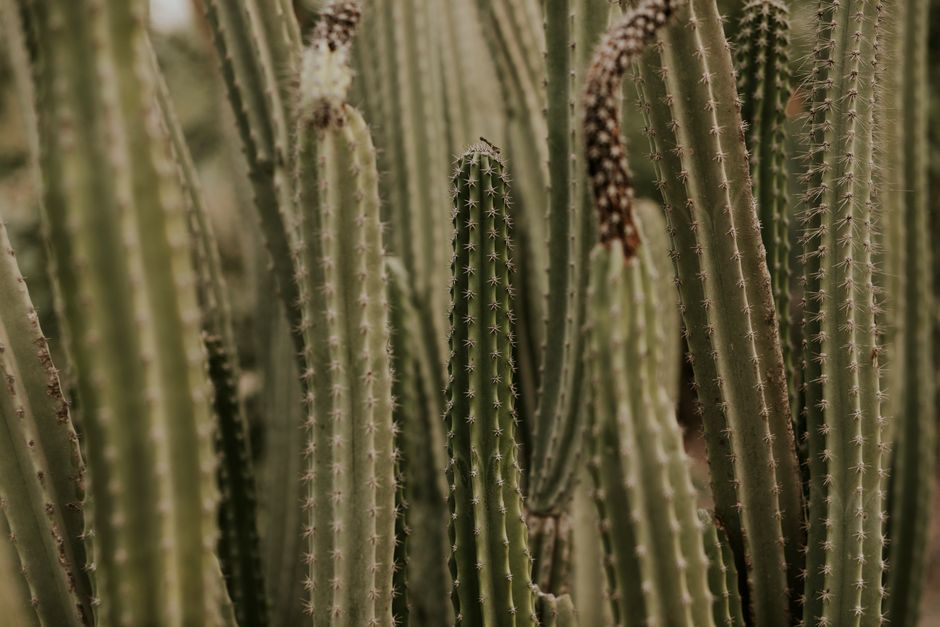
Trichocereus uyupampensis

Photo by Gerzon Piñata on Pexels

Trichocereus uyupampensis Care Guide: Light, Watering, Soil & Essential Tips

Trichocereus uyupampensis

🌍 Distribution

4 countries

Overview

Trichocereus uyupampensis, a majestic columnar cactus belonging to the Cactaceae family, is a captivating species native to the high-altitude regions of Uyupampa, Peru. This particular Trichocereus is celebrated for its striking, often solitary or slowly clustering columnar growth habit, typically adorned with robust spines that vary in color from golden to brown. Its natural habitat in the Andes, characterized by intense sunlight, well-draining rocky soils, and significant temperature fluctuations, has shaped its resilient nature and specific care requirements.

What makes Trichocereus uyupampensis special is its impressive stature, with mature specimens capable of reaching several meters in height, making them a dramatic focal point in any collection or landscape where conditions permit. The plant's hardy constitution, adapted to its challenging native environment, allows it to tolerate a range of conditions that might prove difficult for more delicate cacti. While its large, nocturnal flowers, typical of many Trichocereus species, are a highly anticipated event, they are generally observed on mature plants and are a testament to successful cultivation. The allure of this cactus also lies in its raw, untamed beauty, evoking the rugged landscapes from which it hails. Its architectural form and formidable spines offer a unique aesthetic appeal that captivates collectors and enthusiasts alike.

People love Trichocereus uyupampensis for its imposing presence, the satisfaction of nurturing a plant from such a unique origin, and its relatively straightforward care once its specific needs are understood. It represents a piece of the high Andes, bringing a touch of remote wilderness to the grower's environment. Its appeal extends to those who appreciate plants with strong character and a rich natural history.

This plant is best suited for intermediate to experienced growers who have some familiarity with cactus care, or for dedicated beginners willing to learn and provide the specific environmental conditions it requires. It is not a "set it and forget it" plant, but it is also not overly demanding once its basic needs for light, water, and soil are met. Growers who are attentive to seasonal changes and responsive to the plant's subtle cues will find Trichocereus uyupampensis a rewarding addition to their collection. Its need for ample sunlight and a distinct dormancy period means it thrives with an owner who can provide these conditions, whether indoors under specialized lighting or outdoors in appropriate climates.

Light Requirements

Trichocereus uyupampensis originates from the high Andes, where it is exposed to intense, unfiltered sunlight for much of the day. Consequently, providing adequate light is the single most critical factor for its health and robust growth.

Ideal Light Conditions: The plant thrives in full sun to very bright, direct light. This means a minimum of 6-8 hours of direct sunlight daily during its active growing season (spring and summer). When grown outdoors in suitable climates, it should be placed in the sunniest possible location. Indoors, a south-facing window (in the Northern Hemisphere) or a north-facing window (in the Southern Hemisphere) is ideal. If natural light is insufficient, supplemental grow lights, specifically full-spectrum LED or high-intensity discharge (HID) lights, are highly recommended to prevent etiolation and promote healthy development.

Signs of Too Much Light (Sunburn): While Trichocereus uyupampensis loves sun, a sudden change from a lower light environment to intense, direct sun can cause sunburn. Symptoms include:

  • Yellowing or orange/red discoloration: Patches appearing on the side of the plant most exposed to the sun.
  • Bleaching: In severe cases, the tissue may turn white or gray.
  • Scabbing or corking: Damaged areas may harden and form a protective layer, which is permanent. To prevent sunburn, gradually acclimate the plant to higher light levels over a period of 1-2 weeks, especially when moving it outdoors in spring or after prolonged periods of cloudy weather.

Signs of Too Little Light (Etiolation): Insufficient light is a common issue for indoor cacti and leads to a condition called etiolation. Symptoms include:

  • Stretching or thinning: The plant grows tall and thin, often with a reduced diameter at the top, searching for light.
  • Pale or light green growth: New growth appears significantly paler than older, healthy tissue.
  • Weak or sparse spines: Spines may be shorter, fewer, or less rigid than normal.
  • Lack of flowering: Etiolated plants are unlikely to flower. If etiolation occurs, the plant needs to be moved to a brighter location or provided with supplemental lighting. Severely etiolated growth cannot revert to its original form and may need to be pruned for aesthetic or health reasons.

Window Placement Tips:

  • South-facing (Northern Hemisphere) / North-facing (Southern Hemisphere): These windows offer the most direct and prolonged sunlight throughout the day.
  • East or West-facing: These can provide good morning or afternoon sun, respectively, but may not be sufficient on their own without supplemental lighting, especially in winter.
  • Avoid North-facing (Northern Hemisphere) / South-facing (Southern Hemisphere): These windows typically offer very low light, unsuitable for this cactus. When placing near a window, ensure good air circulation to prevent overheating, especially if the pot is dark-colored. Rotating the plant periodically can help ensure even growth and light exposure on all sides.

Watering Guide

Proper watering is paramount for the health of Trichocereus uyupampensis, as with most cacti. The key is to mimic its natural environment, which experiences distinct wet and dry seasons. Overwatering is the most common cause of cactus demise.

Frequency:

  • Active Growing Season (Spring and Summer): During its active growth phase, typically from April to September, the plant requires regular watering. Water thoroughly when the soil is completely dry to the touch, usually every 1-3 weeks, depending on temperature, humidity, and pot size. A good rule of thumb is to wait a few extra days after the soil feels dry.
  • Dormancy (Fall and Winter): From October to March, Trichocereus uyupampensis enters a period of dormancy. During this time, water should be drastically reduced or withheld entirely, especially if the plant is kept in cool temperatures (below 15°C or 59°F). Watering once a month or even less frequently, just enough to prevent severe shriveling, is usually sufficient. If kept very cool and dry, it can go for months without water. This dry dormancy is crucial for preventing root rot and encouraging future flowering.

Method (Top vs. Bottom Watering):

  • Top Watering: Pour water slowly and evenly over the soil surface until it drains freely from the bottom of the pot. Ensure the entire root ball is saturated. Discard any standing water in the saucer after 15-30 minutes to prevent the plant from sitting in stagnant water.
  • Bottom Watering: This method can be beneficial for ensuring thorough saturation, especially for very dry or compacted soil mixes. Place the potted plant in a tray or basin filled with 2-3 inches of water. Allow the pot to soak for 20-30 minutes, or until the top of the soil appears moist. Remove the pot and let it drain completely before returning it to its spot. Regardless of the method, the goal is to fully hydrate the roots, then allow the soil to dry out completely before the next watering.

Signs of Overwatering:

  • Soft, mushy stem: The most definitive sign, indicating rot, often starting from the base.
  • Yellowing: General yellowing of the plant, often accompanied by a sickly appearance.
  • Fungal growth: Presence of mold or mildew on the soil surface or plant.
  • Collapse: In advanced stages, the plant may simply collapse due to internal rot. If overwatering is suspected, immediately cease watering, unpot the plant, inspect the roots for rot, and prune any affected areas before repotting in fresh, dry soil.

Signs of Underwatering:

  • Shriveling or wrinkling: The stem may appear deflated, wrinkled, or somewhat soft to the touch (but not mushy).
  • Stunted growth: Lack of new growth during the active season.
  • Dry, brittle appearance: The plant may look dehydrated. While underwatering is less immediately fatal than overwatering, prolonged drought can weaken the plant and make it susceptible to pests. A thorough watering typically resolves these symptoms.

Seasonal Adjustments: The change in watering frequency with the seasons is critical. As temperatures drop and daylight hours shorten in fall, gradually reduce watering. In spring, as temperatures rise and light intensifies, slowly increase watering frequency. Always err on the side of underwatering rather than overwatering.

Soil & Potting

The right soil and pot are fundamental to the health of Trichocereus uyupampensis, ensuring proper drainage and aeration, which are vital for preventing root rot.

Ideal Soil Mix: Trichocereus uyupampensis requires an extremely well-draining, gritty soil mix that mimics its natural rocky habitat. A standard potting mix is far too dense and retains too much moisture. An ideal mix should be composed of:

  • 50-70% inorganic materials: Such as perlite, pumice, coarse sand (horticultural grade, not play sand), crushed granite, or akadama. These materials improve drainage and aeration.
  • 30-50% organic materials: High-quality cactus/succulent potting mix, coco coir, or a small amount of compost. This provides some nutrients and water retention without becoming waterlogged. A good homemade recipe might be 1 part high-quality potting mix, 1 part pumice, and 1 part coarse sand or perlite. The goal is a mix that drains almost instantly after watering.

Drainage Requirements: Excellent drainage is non-negotiable. The soil should never remain soggy for extended periods. Poor drainage leads to waterlogged conditions, which suffocate roots and create an anaerobic environment perfect for root rot pathogens. The chosen pot must have drainage holes.

Pot Material Recommendations:

  • Terracotta or Unglazed Ceramic Pots: These are highly recommended. Their porous nature allows for air exchange through the pot walls and helps evaporate excess moisture from the soil, promoting faster drying. This breathability is a significant advantage in preventing overwatering and root rot.
  • Plastic Pots: Can be used, but require more careful watering due to their non-porous nature, which retains moisture longer. If using plastic, ensure the soil mix is even grittier and allow for longer drying times between waterings.
  • Glazed Ceramic or Concrete Pots: Similar to plastic, these retain moisture. If using, ensure excellent drainage holes and adjust watering frequency accordingly.

Pot Size Guide:

  • Start with an appropriately sized pot: Choose a pot that is only slightly larger than the plant's root ball, typically 2-4 cm (1-1.5 inches) wider than the root mass.
  • Avoid overpotting: A pot that is too large will hold an excessive amount of soil, which retains more moisture than the plant can utilize, increasing the risk of root rot.
  • Repotting: Trichocereus uyupampensis generally benefits from repotting every 2-3 years, or when it becomes visibly root-bound. Repotting provides an opportunity to refresh the soil, inspect the roots, and move the plant into a slightly larger pot if necessary. The best time to repot is in early spring, just before the active growing season begins. When repotting, handle the plant carefully to avoid damaging its spines or roots, and wear thick gloves. After repotting, wait at least a week before the first watering to allow any root damage to heal, preventing rot.

Temperature & Humidity

Trichocereus uyupampensis is adapted to the variable conditions of its high-altitude native habitat, which includes warm days, cool nights, and dry air.

Ideal Temperature Ranges:

  • Active Growing Season (Spring and Summer): During its growth phase, the plant thrives in warm temperatures, ideally between 20°C and 35°C (68°F and 95°F). It can tolerate even higher temperatures if provided with good air circulation and sufficient light.
  • Dormancy (Fall and Winter): A distinct cool, dry dormancy period is beneficial and often necessary for the plant's long-term health and to encourage flowering. During dormancy, temperatures should ideally range between 5°C and 15°C (41°F and 59°F). Trichocereus uyupampensis is known to be quite cold-hardy when kept dry, tolerating brief dips below freezing (e.g., down to -5°C or 23°F) for short periods, provided its soil is completely dry. However, it is safest to protect it from sustained freezing temperatures.

Seasonal Considerations:

  • Protect from Frost: While tolerant of some cold when dry, the plant is highly susceptible to rot and damage if exposed to freezing temperatures while the soil is moist. Ensure the plant is completely dry before any risk of frost.
  • Temperature Differential: A noticeable difference between day and night temperatures, common in its natural habitat, can stimulate healthier growth and flowering.
  • Ventilation: Good air circulation is important, especially in warmer temperatures, to prevent fungal issues and improve overall plant health.

Humidity:

  • Trichocereus uyupampensis prefers low humidity, typically in the range of 30-50%. Its natural environment is arid or semi-arid.
  • How to Boost Humidity if Needed: Generally, there is no need to boost humidity for this cactus. In fact, high humidity, especially when combined with poor air circulation or cool temperatures, can lead to fungal diseases and rot. If grown in a very humid environment, ensure exceptional air circulation and allow the soil to dry out even more thoroughly between waterings. Misting is not recommended for this species.

Fertilizing

Fertilizing Trichocereus uyupampensis during its active growing season provides essential nutrients for robust growth and encourages flowering.

Type of Fertilizer:

  • Use a specialized cactus and succulent fertilizer that is typically low in nitrogen (N) and higher in phosphorus (P) and potassium (K). A common N-P-K ratio for cacti is around 2-7-7 or 5-10-10.
  • High nitrogen fertilizers can promote soft, leggy growth that is more susceptible to pests and diseases, and less likely to flower. Phosphorus supports root development and flowering, while potassium contributes to overall plant vigor and disease resistance.
  • Always choose a liquid fertilizer that can be diluted, as granular fertilizers can be difficult to control and may burn roots.

Frequency:

  • Growing Season (Spring and Summer): Fertilize every 2-4 weeks during the active growing period (typically April through September).
  • Dilution: Always dilute the fertilizer to half or even a quarter of the strength recommended on the product label. Cacti are sensitive to over-fertilization.
  • Application: Apply fertilizer only to moist soil. Applying fertilizer to dry soil can cause root burn. Water the plant thoroughly the day before or just before applying the diluted fertilizer solution.

Growing Season vs. Dormancy:

  • Growing Season: Regular fertilization during spring and summer supports vigorous growth and prepares the plant for potential flowering.
  • Dormancy (Fall and Winter): Do not fertilize during the dormancy period (October through March). The plant's metabolic activity slows down significantly, and it does not actively absorb nutrients. Fertilizing during dormancy can lead to a buildup of salts in the soil, which can damage roots and harm the plant. Resume fertilization gradually in spring as new growth appears and temperatures rise.

Common Problems

Despite its hardy nature, Trichocereus uyupampensis can encounter a few common issues, often related to improper care or environmental conditions.

  1. Etiolation (Stretching)

    • Symptoms: New growth appears noticeably thinner, paler green, and stretched out compared to the older, healthier stem. Spines may be sparse or underdeveloped.
    • Causes: Insufficient light is the primary cause. The plant is desperately reaching for a light source.
    • Solutions: Immediately move the plant to a location with significantly brighter, more direct sunlight. If growing indoors, consider supplementing with a powerful full-spectrum grow light. Etiolated growth cannot revert to its normal thickness, so for aesthetic reasons, the stretched section may need to be pruned. If pruning, allow the cut surface to callus over for several weeks before attempting to root the healthy top section or allowing the base to produce offsets.
  2. Root Rot

    • Symptoms: The base of the plant becomes soft, mushy, and discolored (often yellow, brown, or black). The plant may lean, collapse, or appear generally sickly. This often progresses rapidly.
    • Causes: Overwatering, especially when combined with poor drainage, heavy soil, or cool temperatures. Sitting in soggy soil suffocates roots and creates an ideal environment for fungal and bacterial pathogens.
    • Solutions: Act quickly. Unpot the plant and gently remove all soil. Inspect the roots and stem base. Using a sterile knife, cut away all affected, mushy tissue until only healthy, firm, green/white tissue remains. If the rot has reached the main stem and is extensive, the plant may not be salvageable. Allow the cut surfaces to dry and callus over for 1-2 weeks in a cool, dry, airy place. Once callused, repot in fresh, extremely well-draining cactus mix and a clean, dry pot. Do not water for at least a week after repotting to allow any further healing. Re-evaluate watering practices and soil mix.
  3. Sunburn

    • Symptoms: Discolored patches (yellow, orange, red, or white/bleached) appear on the plant, typically on the side most exposed to intense sun. The affected areas may become hard, scabbed, or corked.
    • Causes: Sudden exposure to intense, direct sunlight without proper acclimatization. This often happens when moving an indoor-grown plant directly outdoors in spring, or after a prolonged period of cloudy weather.
    • Solutions: Move the plant to a location with slightly filtered or less intense direct sunlight. If moving outdoors, acclimate gradually over 1-2 weeks by increasing sun exposure incrementally each day. Sunburned tissue is permanently damaged but will cork over and scar, which is part of the plant's healing process. Ensure good air circulation around the plant to prevent overheating.
  4. Pest Infestations (e.g., Spider Mites, Mealybugs)

    • Symptoms:
      • Spider Mites: Tiny red or brown mites, fine webbing, stippling (tiny dots) or discoloration on the plant surface, especially near the growing tips.
      • Mealybugs: Small, white, cottony masses (often resembling bits of cotton) found in crevices, spine clusters, or on the stem. They excrete sticky honeydew.
    • Causes: Often exacerbated by dry, stagnant air, or bringing in infested new plants. Stressed plants are also more susceptible.
    • Solutions:
      • Isolation: Immediately isolate the infested plant to prevent spread.
      • Manual Removal: For mealybugs, dab them directly with a cotton swab dipped in rubbing alcohol (70% isopropyl alcohol). For spider mites, a strong spray of water can dislodge them.
      • Insecticidal Soap/Neem Oil: Apply a horticultural insecticidal soap or neem oil solution, thoroughly coating all plant surfaces. Repeat applications every 7-10 days for several weeks to break the pest life cycle.
      • Systemic Pesticides: In severe cases, systemic pesticides designed for cacti can be used as a last resort, following product instructions carefully.
      • Prevention: Regularly inspect plants, especially new additions. Ensure good air circulation.

Frequently Asked Questions

Q: How often should I repot Trichocereus uyupampensis?

A: Trichocereus uyupampensis generally benefits from repotting every 2-3 years, or when it becomes visibly root-bound. The best time to repot is in early spring, just before the active growing season begins, to allow the plant to settle into its new environment quickly.

Q: Can Trichocereus uyupampensis tolerate cold temperatures?

A: Yes, Trichocereus uyupampensis is quite cold-hardy when kept completely dry, tolerating brief dips below freezing down to approximately -5°C (23°F). However, it is crucial that the soil is absolutely dry to prevent rot and damage from freezing moisture.

Q: Why is my cactus turning yellow or brown?

A: Yellowing can indicate several issues, including overwatering leading to root rot, nutrient deficiencies (though less common with proper fertilization), or insufficient light (pale yellow). Browning, especially in patches, often points to sunburn from sudden intense light exposure or fungal/bacterial infections if accompanied by softness. Assess watering, light, and soil conditions to diagnose.

Q: How do I get my Trichocereus uyupampensis to flower?

A: To encourage flowering, provide ample direct sunlight (6-8+ hours daily), a consistent feeding schedule during the growing season with a low-nitrogen fertilizer, and most importantly, a distinct cool, dry dormancy period during fall and winter. Mature plants are more likely to flower, often after reaching a certain size.

Last updated: March 28, 2026