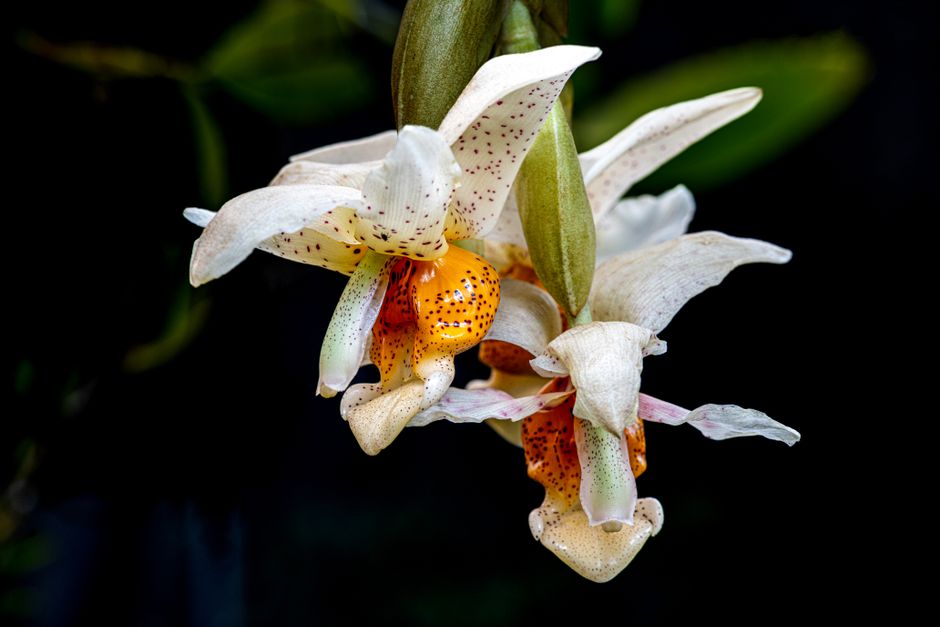
Coptocheile

Photo by Steven Paton on Pexels

Coptocheile Care Guide: Light, Watering, Soil & Essential Tips

Coptocheile

Overview

A Delicate yet Rewarding Plant

Coptocheile, a member of the Gesneriaceae family, is a delicate yet rewarding plant that has captured the hearts of many plant enthusiasts. Native to the tropical regions, this plant is prized for its unique appearance and relatively low-maintenance requirements. Coptocheile is an excellent choice for growers of all experience levels, from beginners to experts, as it thrives in a moderate level of care.

Ideal Growers

Coptocheile is perfect for growers who are willing to provide a consistent environment with moderate temperatures, humidity, and watering. Busy growers will appreciate the relatively low maintenance requirements, while attentive growers will enjoy the process of nurturing this beautiful plant. Coptocheile prefers to be slightly neglected, making it an excellent choice for those who are new to plant parenthood.

Light Requirements

Providing the Right Amount of Light

Coptocheile thrives in bright, indirect light but can tolerate some direct sunlight. However, too much direct sunlight can cause the leaves to become scorched, while too little light can lead to weak and leggy growth. Growers should aim to place their Coptocheile near an east- or west-facing window, with a sheer curtain to filter the light.

Signs of Too Much Light

  • Leaves become yellow or scorched
  • Plant appears to be droopy or wilted
  • New growth is stunted or absent

Signs of Too Little Light

  • Leaves become pale or washed out
  • Plant appears to be weak or leggy
  • New growth is slow or absent

Watering Guide

The Art of Watering

Coptocheile requires moderate watering, with the frequency depending on the season. As a general rule, growers should water their Coptocheile every 4-5 days during the spring and summer months and every 7-10 days during the fall and winter months. It is essential to water the plant thoroughly, allowing excess water to drain from the pot.

Top vs Bottom Watering

Growers can choose between top and bottom watering methods. Top watering involves pouring water directly onto the soil, while bottom watering involves placing the pot in a saucer of water and allowing the plant to absorb the water as needed. Both methods have their advantages, and growers can experiment to find what works best for their Coptocheile.

Signs of Overwatering

  • Leaves become yellow or mushy
  • Plant appears to be droopy or wilted
  • Water pools on the surface of the soil

Signs of Underwatering

  • Leaves become crispy or wrinkled
  • Plant appears to be dry or brittle
  • New growth is stunted or absent

Soil & Potting

A Well-Draining Soil Mix

Coptocheile thrives in a well-draining soil mix that is rich in organic matter. Growers should aim to create a mix that is 20-30% peat moss, 20-30% perlite, and 50-60% potting soil. Avoid using regular potting soil, as it can retain too much water and cause root rot.

Drainage Requirements

Coptocheile requires excellent drainage to prevent waterlogged soil. Growers should use a pot with good drainage holes and avoid overwatering, as this can lead to root rot and plant decline.

Pot Material Recommendations

Growers can choose from a variety of pot materials, including terracotta, ceramic, and plastic. Terracotta pots are a popular choice, as they allow for excellent drainage and aeration. However, they can dry out quickly, so growers should be careful not to overwater.

Pot Size Guide

Coptocheile prefers to be slightly root-bound, so growers should avoid using pots that are too large. A pot that is 6-8 inches in diameter is a good starting point, and growers can gradually increase the pot size as the plant matures.

Temperature & Humidity

Ideal Temperature Ranges

Coptocheile thrives in temperatures between 18-22°C (64-72°F) during the day and 15-18°C (59-64°F) at night. Growers should avoid placing their Coptocheile near heating or cooling vents, fireplaces, or drafty windows, as this can cause temperature fluctuations.

Ideal Humidity Ranges

Coptocheile prefers a humid environment, with a relative humidity of 50-70%. Growers can increase the humidity around their plant by placing it on a tray filled with water and pebbles or using a humidifier.

Seasonal Considerations

Growers should adjust the temperature and humidity levels according to the season. During the spring and summer months, growers can maintain a slightly higher humidity level, while during the fall and winter months, they can reduce the humidity level.

Boosting Humidity

Growers can boost the humidity around their Coptocheile by placing it on a tray filled with water and pebbles. As the water evaporates, it will increase the humidity around the plant. Alternatively, growers can use a humidifier specifically designed for plants.

Fertilizing

The Right Fertilizer

Coptocheile requires a balanced fertilizer that is rich in nitrogen, phosphorus, and potassium. Growers can use a water-soluble fertilizer that is specifically designed for tropical plants, following the instructions on the label.

Frequency of Fertilizing

Growers should fertilize their Coptocheile every 2-3 weeks during the growing season and once a month during the dormant season. Overfertilization can cause more harm than good, so growers should be cautious not to overfertilize.

Growing Season vs Dormancy

Growers should adjust the frequency of fertilizing according to the season. During the growing season, growers can fertilize more frequently, while during the dormant season, they can reduce the frequency of fertilizing.

Common Problems

1. Pests

Coptocheile is susceptible to pests such as mealybugs, spider mites, and scale. Growers can treat infestations with insecticidal soap or neem oil, following the instructions on the label.

2. Root Rot

Overwatering can cause root rot, which can be fatal to Coptocheile. Growers should avoid overwatering and ensure that the soil is well-draining.

3. Leaf Drop

Coptocheile can drop its leaves due to stress, overwatering, or underwatering. Growers should ensure that the plant is receiving the right amount of water and light.

4. Yellowing Leaves

Yellowing leaves can be caused by overfertilization, underwatering, or root damage. Growers should adjust the fertilizing schedule and ensure that the plant is receiving the right amount of water.

Frequently Asked Questions

Q: How often should I water my Coptocheile?

A: Coptocheile requires moderate watering, with the frequency depending on the season. As a general rule, growers should water their Coptocheile every 4-5 days during the spring and summer months and every 7-10 days during the fall and winter months.

Q: What type of fertilizer should I use for my Coptocheile?

A: Coptocheile requires a balanced fertilizer that is rich in nitrogen, phosphorus, and potassium. Growers can use a water-soluble fertilizer that is specifically designed for tropical plants, following the instructions on the label.

Q: Why is my Coptocheile dropping its leaves?

A: Coptocheile can drop its leaves due to stress, overwatering, or underwatering. Growers should ensure that the plant is receiving the right amount of water and light.

Q: How can I increase the humidity around my Coptocheile?

A: Growers can increase the humidity around their Coptocheile by placing it on a tray filled with water and pebbles or using a humidifier specifically designed for plants.

Last updated: April 19, 2026Source: Wikipedia →