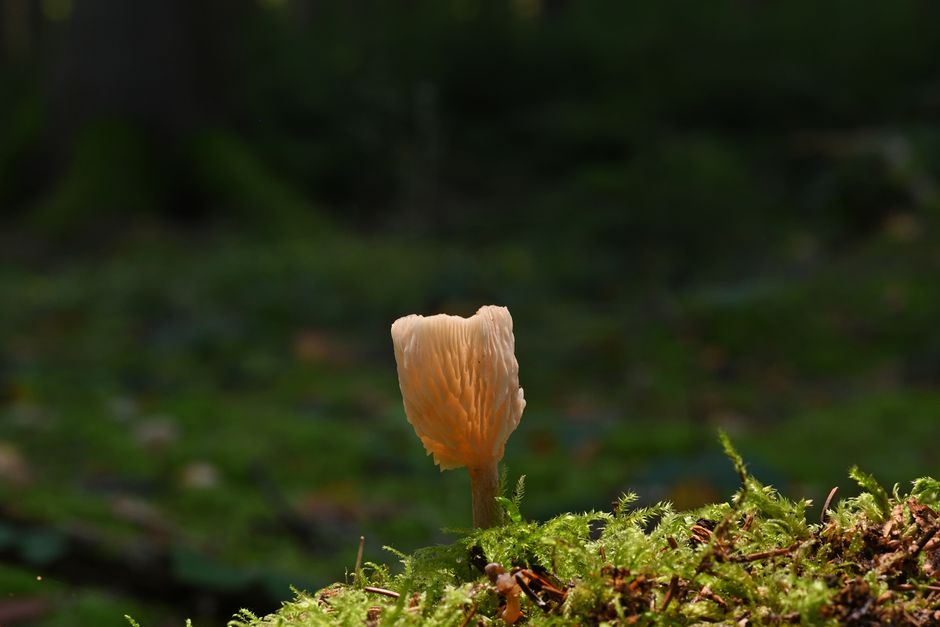
Cremospermopsis

Photo by Juan Luna on Pexels

Cremospermopsis Care Guide: Light, Watering, Soil & Essential Tips

Cremospermopsis

Overview

Cremospermopsis, a captivating genus within the diverse Gesneriaceae family, represents a true gem for the dedicated plant enthusiast. These fascinating plants are typically small, herbaceous perennials, often characterized by their striking foliage and delicate, intricate flowers. Originating from the humid, cloud-kissed montane forests of Central and South America, Cremospermopsis species are often found growing as epiphytes on trees or lithophytes on mossy rocks, thriving in the dappled light and consistent moisture of their native habitats.

What makes Cremospermopsis particularly special is its unique aesthetic and the rewarding challenge it presents to growers. The leaves often display exquisite textures, ranging from velvety to slightly puckered, and can feature intricate patterns or subtle color variations that add depth and visual interest even when the plant is not in bloom. When they do flower, the blooms are typically small but exquisitely detailed, often appearing in clusters and showcasing a spectrum of colors from white and cream to vibrant reds and purples, frequently with contrasting markings. These floral displays, while not always massive, are a testament to the plant's delicate beauty.

People are drawn to Cremospermopsis for several reasons. For collectors, its relative rarity and the specific environmental conditions it demands make it a highly coveted species, offering a sense of accomplishment upon successful cultivation. For those who appreciate botanical artistry, the subtle elegance of its foliage and the intricate charm of its flowers provide endless fascination. It is a plant that encourages observation and interaction, rewarding attentive care with robust growth and stunning displays.

Given its specific environmental requirements, Cremospermopsis is best suited for intermediate to expert growers. Its need for consistent humidity, stable temperatures, and precise watering makes it less forgiving than many common houseplants. Individuals who are attentive to their plants' needs, enjoy creating specialized growing environments such as terrariums or vivariums, and possess a keen eye for detail will find immense satisfaction in cultivating Cremospermopsis. It is not an ideal choice for beginners or those with busy lifestyles who cannot dedicate regular time to monitoring and adjusting environmental conditions. Instead, it thrives under the care of a dedicated hobbyist ready to provide a tailored microclimate.

Light Requirements

Cremospermopsis species are naturally adapted to the filtered light conditions of their tropical forest understory or canopy perches. Therefore, providing the ideal light spectrum and intensity is crucial for their health and flowering.

Ideal Light Conditions: These plants thrive in bright, indirect light. This means they should receive ample illumination, but the light should never be harsh or direct. Mimicking the dappled light of a forest canopy is key. An ideal scenario involves exposure to diffused sunlight for several hours a day. Excessive light can quickly lead to distress, while insufficient light will hinder growth and flowering.

Signs of Too Much Light: When Cremospermopsis receives too much direct or intense light, several symptoms will manifest:

  • Leaf Scorch: Brown or crispy spots appearing on the leaves, particularly along the edges or tips.
  • Fading or Bleaching: The vibrant green or patterned coloration of the foliage may appear washed out, pale, or yellowish.
  • Stunted Growth: The plant may cease or significantly slow its growth, and new leaves might be smaller than usual.
  • Wilting: Despite adequate watering, leaves may wilt as the plant struggles to cope with excessive light and heat.

Signs of Too Little Light: Conversely, a lack of sufficient light will also impact the plant's vigor:

  • Leggy Growth: Stems become elongated and stretched, with greater distances between leaf nodes as the plant "reaches" for light.
  • Poor Flowering: The plant may produce few or no flowers, or the flowers that do appear may be smaller and less vibrant.
  • Dark Green, Dull Leaves: While leaves may appear dark green, they might lack the vibrancy or specific patterns characteristic of the species, and overall growth will be sluggish.
  • Smaller Leaf Size: New leaves may emerge noticeably smaller than mature leaves.

Window Placement Tips:

  • East-facing windows are often ideal, providing gentle morning sun that is bright but not overly intense.
  • North-facing windows can also work, offering consistent, albeit lower intensity, indirect light throughout the day. However, supplemental lighting may be necessary, especially in winter or for species requiring brighter conditions.
  • South or West-facing windows should be approached with caution. Direct afternoon sun from these exposures is typically too strong and can cause rapid scorching. If these are the only options, the plant must be placed several feet away from the window, or the light must be heavily diffused using sheer curtains, blinds, or other plants to cast shade.
  • Artificial Lighting: For optimal control, many growers utilize LED grow lights. Placing the plant approximately 30-45 cm (12-18 inches) beneath a full-spectrum LED light for 10-12 hours a day can provide consistent, ideal light conditions, especially beneficial in terrariums or during darker seasons.

Watering Guide

Proper watering is paramount for the health of Cremospermopsis, as these plants are sensitive to both overwatering and prolonged dryness. The key is to maintain consistent moisture without ever allowing the plant to sit in soggy conditions.

Frequency: The frequency of watering depends heavily on environmental factors such as temperature, humidity, light intensity, and the potting mix used. Generally, Cremospermopsis prefers to be kept consistently moist. During the active growing season (spring and summer), this may translate to watering every 3-7 days. However, the best approach is to check the soil moisture regularly. Growers should allow the very top layer of the potting mix (about 1-2 cm or 0.5-1 inch deep) to feel slightly dry to the touch before watering again. The plant should never be allowed to dry out completely, nor should it remain waterlogged.

Method (Top vs. Bottom Watering):

  • Bottom Watering (Preferred): This method is highly recommended for Cremospermopsis and many other Gesneriads. It involves placing the pot in a tray or saucer filled with room-temperature water for 15-30 minutes, allowing the potting mix to absorb water from the drainage holes upwards. This prevents water from sitting on the delicate foliage, which can lead to leaf spots or rot, and encourages deeper root development. Once the top layer of soil feels moist, remove the pot and allow any excess water to drain thoroughly before returning it to its spot.
  • Top Watering: If top watering is chosen, it must be done carefully. Pour water slowly and evenly over the soil surface, avoiding direct contact with the leaves and crown of the plant. Continue until water begins to drain from the bottom of the pot. Ensure all excess water drains away and the pot does not sit in standing water.
  • Water Quality: Cremospermopsis is sensitive to chlorine and mineral salts. Distilled water, rainwater, or reverse osmosis (RO) water is highly recommended. If using tap water, allow it to sit out for 24-48 hours to allow chlorine to dissipate, but be aware that mineral salts will remain.

Signs of Overwatering: Overwatering is a common killer of Cremospermopsis. Symptoms include:

  • Yellowing Leaves: Especially older, lower leaves turning yellow and becoming soft or mushy.
  • Wilting: Paradoxically, overwatered plants can wilt because roots are suffocating and unable to absorb water.
  • Mushy Stems or Crown Rot: The base of the plant or stems may become soft, brown, and mushy, often accompanied by a foul odor.
  • Stunted Growth: Despite appearing wet, the plant may show no signs of new growth due to root damage.
  • Fungus Gnats: A common indicator of consistently wet soil.

Signs of Underwatering: While less common if attention is paid, underwatering can also cause significant stress:

  • Wilting: Leaves will droop and appear limp, but unlike overwatering, the soil will be completely dry.
  • Crispy Leaves: Leaf edges or entire leaves may become dry, brittle, and crispy.
  • Stunted Growth: Growth will cease, and the plant may appear shriveled.
  • Dropping Leaves: Leaves may yellow and drop prematurely.

Seasonal Adjustments: Watering frequency should be adjusted according to the seasons. During the cooler, darker months of fall and winter, when light levels are lower and growth naturally slows down, Cremospermopsis requires significantly less water. Reduce frequency, allowing the soil to dry out a bit more between waterings, but never completely. During peak growing season, increase frequency as needed to maintain consistent moisture. Always monitor the plant and its growing medium rather than adhering strictly to a schedule.

Soil & Potting

The right soil mix and pot are critical for Cremospermopsis to thrive, ensuring excellent drainage while retaining adequate moisture and providing necessary aeration for its delicate root system.

Ideal Soil Mix: Cremospermopsis, often epiphytic or lithophytic in its natural habitat, requires a very light, airy, and extremely well-draining potting mix that also holds some moisture. A standard peat-based potting mix is too dense and will lead to root rot. An ideal mix should mimic the substrate found in its native cloud forests, which is rich in organic matter but allows for rapid water percolation. A recommended mix could include:

  • Fine Orchid Bark or Fir Bark (30-40%): Provides excellent aeration and drainage.
  • Perlite or Pumice (20-30%): Enhances drainage and prevents compaction.
  • Sphagnum Moss (20-30%): Offers superior moisture retention while remaining airy. Long-fiber sphagnum is particularly good.
  • Coco Coir or Peat Moss (10-20%): Provides some moisture retention and nutrients, but in a limited quantity to avoid density.
  • Horticultural Charcoal (optional, 5%): Helps absorb impurities and maintain a healthy soil environment.

The resulting mix should be chunky, porous, and feel light in hand. It should allow water to pass through quickly while still feeling slightly damp after watering. The pH preference is slightly acidic, generally between 5.5 and 6.5.

Drainage Requirements: Exceptional drainage is non-negotiable for Cremospermopsis. The potting mix itself must be free-draining, and the pot must have ample drainage holes at the bottom. Stagnant water around the roots is the primary cause of root rot, which is often fatal for these sensitive plants. Consider adding a layer of perlite, pumice, or leca at the bottom of the pot before adding the soil mix to further enhance drainage, though a well-formulated mix in a pot with good holes should suffice.

Pot Material Recommendations: The choice of pot material can influence moisture levels and air circulation:

  • Plastic Pots: These are often preferred for Cremospermopsis as they retain moisture well, which can be beneficial for a plant that likes consistent dampness. They are also lightweight and come in various sizes.
  • Terracotta Pots: While terracotta is breathable and promotes excellent aeration, it also dries out much faster. This can be an advantage for growers prone to overwatering but may require more frequent watering, especially in low-humidity environments.
  • Terrariums or Vivarium Setups: For optimal humidity and stable conditions, Cremospermopsis truly thrives in closed or semi-closed environments. In these setups, the plant can be potted in small plastic pots, planted directly into a substrate layer, or even mounted epiphytically on cork bark or tree fern fiber, provided it receives continuous moisture.

Pot Size Guide: Cremospermopsis generally prefers to be slightly root-bound. They do not develop extensive root systems, and potting them in an oversized container can lead to the soil staying wet for too long, increasing the risk of root rot.

  • Start Small: Begin with a pot that is just slightly larger than the root ball. For a newly acquired small plant, a 5-8 cm (2-3 inch) pot is often appropriate.
  • Gradual Upsizing: Repot only when the plant has clearly outgrown its current pot, meaning roots are emerging from drainage holes or encircling the inside of the pot. When repotting, increase the pot size by only one increment (e.g., from a 7 cm to a 9 cm pot, or 3-inch to 4-inch).
  • Frequency: Repotting is typically needed every 1-2 years, usually in spring, to refresh the potting mix which can break down over time, reducing aeration.

Temperature & Humidity

Providing the correct temperature and consistently high humidity are among the most critical factors for successfully cultivating Cremospermopsis, directly mimicking its native cloud forest environment.

Ideal Ranges:

  • Temperature: Cremospermopsis thrives in warm, stable temperatures. The ideal daytime range is between 18-27°C (65-80°F). Nighttime temperatures can drop slightly, but should ideally not fall below 15°C (60°F). Sudden or extreme temperature fluctuations can stress the plant and lead to leaf drop or stunted growth. Avoiding drafts from open windows or air conditioning vents is also important.
  • Humidity: High humidity is non-negotiable for Cremospermopsis. These plants require a relative humidity level of 70% or higher, with 80-90% being optimal for robust growth and flowering. Low humidity will quickly lead to crispy leaf edges, stunted growth, and increased susceptibility to pests like spider mites.

Seasonal Considerations: Cremospermopsis generally does not experience a significant dormant period triggered by temperature changes in its natural habitat, as cloud forest temperatures are relatively stable year-round. Therefore, growers should aim to maintain consistent temperature and humidity levels throughout all seasons. While light levels may naturally decrease in winter, requiring adjustments to watering and fertilizing, the core temperature and humidity requirements remain constant. Avoid placing the plant near heat sources in winter, which can drastically lower humidity, or near cold windows.

How to Boost Humidity if Needed: Achieving and maintaining the high humidity Cremospermopsis demands often requires active intervention, especially in typical indoor environments:

  • Humidifier: The most effective method is to use a cool-mist humidifier placed in close proximity to the plant. This allows for precise control over humidity levels and can cover a larger area. Running it consistently, especially in drier climates or during winter when indoor heating systems dry out the air, is crucial.
  • Terrariums or Cloches: For individual plants or small collections, growing Cremospermopsis inside a closed or semi-closed terrarium, a cloche, or a large clear plastic container creates a microclimate with consistently high humidity. This is often the most successful method for these demanding Gesneriads. Ensure adequate ventilation within the terrarium to prevent stagnant air and fungal issues, perhaps by opening it for an hour a day or having small vents.
  • Pebble Trays: While less effective on their own for achieving very high humidity, pebble trays can provide a slight localized boost. Place a shallow tray filled with pebbles and water beneath the plant's pot, ensuring the pot does not sit directly in the water. As the water evaporates, it raises the humidity around the plant.
  • Grouping Plants: Placing several plants together can create a slightly more humid microclimate as they collectively release moisture through transpiration. This method is generally insufficient on its own for Cremospermopsis but can contribute to overall humidity when combined with other methods.
  • Misting (with caution): While misting can provide a temporary spike in humidity, it often doesn't last long enough to be truly beneficial and can contribute to fungal diseases if water sits on foliage, especially if temperatures are cool or air circulation is poor. If misting, use distilled or RO water and ensure good air circulation. It should not be relied upon as the sole method for humidity.

Fertilizing

Proper fertilization supports vigorous growth and abundant flowering in Cremospermopsis, but it must be approached with caution due to the plant's delicate nature. These plants are sensitive to over-fertilization, which can lead to root burn and other issues.

Type of Fertilizer: A balanced, water-soluble liquid fertilizer with a low NPK ratio (e.g., 7-7-7 or 10-10-10) is generally suitable for Cremospermopsis. Some growers prefer a fertilizer with a slightly higher phosphorus content (the middle number, P) during the blooming season to encourage flower production. Look for fertilizers formulated for orchids, African violets, or other delicate houseplants, as these are often gentle and complete with micronutrients. Always ensure the fertilizer is specifically designed for foliage and flowering plants.

Frequency: Cremospermopsis benefits from consistent, but very dilute, feeding during its active growing season.

  • Growing Season (Spring and Summer): During these months, when the plant is actively producing new foliage and flowers, fertilize every 2-4 weeks. It is crucial to dilute the fertilizer to approximately 1/4 to 1/8 of the strength recommended on the product label. For example, if the label suggests 1 teaspoon per gallon, use 1/4 to 1/8 teaspoon per gallon for Cremospermopsis. This "weakly, weekly" or "weakly, bi-weekly" approach prevents salt buildup and root burn.
  • Flush Periodically: To prevent the accumulation of mineral salts in the potting mix, which can harm roots, it is advisable to occasionally flush the soil with plain, clean water (distilled or RO) between fertilizer applications. This involves watering thoroughly until water drains from the bottom, effectively rinsing out excess salts.

Growing Season vs. Dormancy:

  • Active Growing Season: As mentioned, regular, diluted fertilization is beneficial during spring and summer when the plant is actively growing and flowering.
  • Dormancy (Fall and Winter): During the cooler, darker months, Cremospermopsis growth naturally slows down. Fertilization should be significantly reduced or stopped entirely during this period. The plant requires fewer nutrients when not actively growing, and continued feeding can lead to salt buildup and potential root damage. Resume fertilization gradually in early spring as new growth emerges.

Important Considerations:

  • Never Fertilize Dry Soil: Always water the plant thoroughly with plain water before applying fertilizer solution. Fertilizing dry soil can cause severe root burn.
  • Monitor Plant Response: Pay close attention to how your Cremospermopsis responds to fertilization. If leaves show signs of burning (brown tips or edges), reduce the frequency or further dilute the fertilizer. If growth is sluggish despite good light and water, a slight increase in frequency (still diluted) might be considered.
  • Salt Buildup: White crusts on the soil surface or pot rim indicate salt buildup. If this occurs, flush the soil thoroughly with plain water several times or consider repotting into fresh mix.

Common Problems

Cultivating Cremospermopsis can present a few common challenges, primarily due to its specific environmental demands. Understanding these issues, their causes, and solutions is key to successful care.

1. Leaf Scorch and Fading Foliage

  • Symptoms: Brown, crispy patches appearing on leaves (especially edges or tips); overall foliage color appears bleached, pale, or washed out, losing its characteristic vibrancy or patterns.
  • Causes: The most common cause is exposure to too much direct or intense light. Cremospermopsis is accustomed to dappled light, and harsh sunlight can quickly burn its delicate leaves. Over-fertilization can also cause leaf edge burn, mimicking scorch.
  • Solutions: Immediately move the plant to a location with bright, indirect light. If using artificial lights, raise the light fixture or reduce the duration. If placed near a window, use sheer curtains for diffusion. If over-fertilization is suspected, flush the soil thoroughly with plain water and adjust your feeding schedule.

2. Root Rot and Stem Rot

  • Symptoms: Yellowing and wilting leaves (paradoxically, as if underwatered); mushy, discolored stems at the soil line or below; a foul, earthy odor emanating from the soil; overall plant collapse.
  • Causes: Overwatering is the primary culprit, often exacerbated by poor drainage in the potting mix or pot, or an oversized pot that retains too much moisture. Consistently soggy soil deprives roots of oxygen, leading to their decay and subsequent fungal or bacterial infections.
  • Solutions: Act quickly. Gently remove the plant from its pot and inspect the roots. Trim away any soft, black, or mushy roots with sterilized scissors, leaving only firm, healthy white roots. Repot into fresh, extremely well-draining potting mix in a clean pot (often a smaller one if the root ball has shrunk). Adjust watering habits to allow the top layer of soil to dry slightly before rewatering, and ensure excellent drainage. Increase air circulation if the plant is in an enclosed environment.

3. Lack of Blooms

  • Symptoms: The plant appears otherwise healthy with lush foliage, but it fails to produce flowers or produces very few, small, or underdeveloped blooms.
  • Causes: Several factors can contribute to a lack of flowering: insufficient light (too dim); inadequate or incorrect fertilization (lack of phosphorus); inconsistent or too low humidity; temperatures that are too cool or fluctuating; or the plant simply not being mature enough to flower.
  • Solutions: Evaluate and optimize environmental conditions. Ensure the plant receives bright, indirect light for an adequate duration (10-12 hours under grow lights). During the growing season, use a balanced fertilizer with a slightly higher phosphorus (P) content, diluted to 1/4 strength, every 2-4 weeks. Maintain high humidity (70-90%) and stable temperatures (18-27°C / 65-80°F). Patience is also key, as some species may need to reach a certain maturity before blooming reliably.

4. Pest Infestations (e.g., Fungus Gnats, Spider Mites)

  • Symptoms:
    • Fungus Gnats: Small, dark, mosquito-like flies hovering around the plant and soil; tiny white larvae visible in the soil.
    • Spider Mites: Fine webbing on leaves and stems; tiny red, brown, or black dots on the undersides of leaves; stippling (tiny yellow or white dots) on leaves; overall dull appearance of foliage.
  • Causes:
    • Fungus Gnats: Consistently wet potting mix provides an ideal breeding ground for their larvae.
    • Spider Mites: Often thrive in dry, low-humidity environments and can be introduced from new plants.
  • Solutions:
    • Fungus Gnats: Allow the top layer of soil to dry out more thoroughly between waterings. Use yellow sticky traps to catch adults. Apply beneficial nematodes or a diluted hydrogen peroxide solution to the soil to kill larvae. Improve air circulation.
    • Spider Mites: Increase humidity around the plant immediately. Isolate the infested plant. Thoroughly wipe down leaves (top and bottom) with a damp cloth or a solution of insecticidal soap or neem oil. Repeat treatment every 5-7 days for several weeks to break their life cycle. For severe infestations, consider a systemic insecticide if deemed safe for the plant and environment.

Frequently Asked Questions

Q: Is Cremospermopsis difficult to grow?

Cremospermopsis is generally considered an intermediate to expert-level plant to grow. It demands specific and consistent environmental conditions, particularly high humidity (70-90%), stable temperatures (18-27°C / 65-80°F), and precise watering, making it less forgiving than many common houseplants.

Q: How do I propagate Cremospermopsis?

Cremospermopsis can be propagated effectively from stem or leaf cuttings. Stem cuttings should have at least two nodes and be rooted in a humid environment in a moist, sterile propagating mix, while leaf cuttings can be placed on a similar medium, often with a small portion of the petiole, and kept under high humidity until plantlets form.

Q: Why are my Cremospermopsis leaves turning yellow?

Yellowing leaves on Cremospermopsis can indicate several issues, most commonly overwatering leading to root rot, which starves the leaves of nutrients. Other causes include too much direct light causing bleaching, nutrient deficiencies (especially nitrogen), or simply the natural aging of older leaves.

Q: Can Cremospermopsis tolerate low humidity?

No, Cremospermopsis cannot tolerate low humidity for extended periods. It requires consistently high relative humidity, ideally between 70% and 90%, to thrive. In low humidity environments, leaves will quickly develop crispy edges, growth will stunt, and the plant will become highly susceptible to spider mites and other stressors.

Last updated: April 19, 2026Source: Wikipedia →