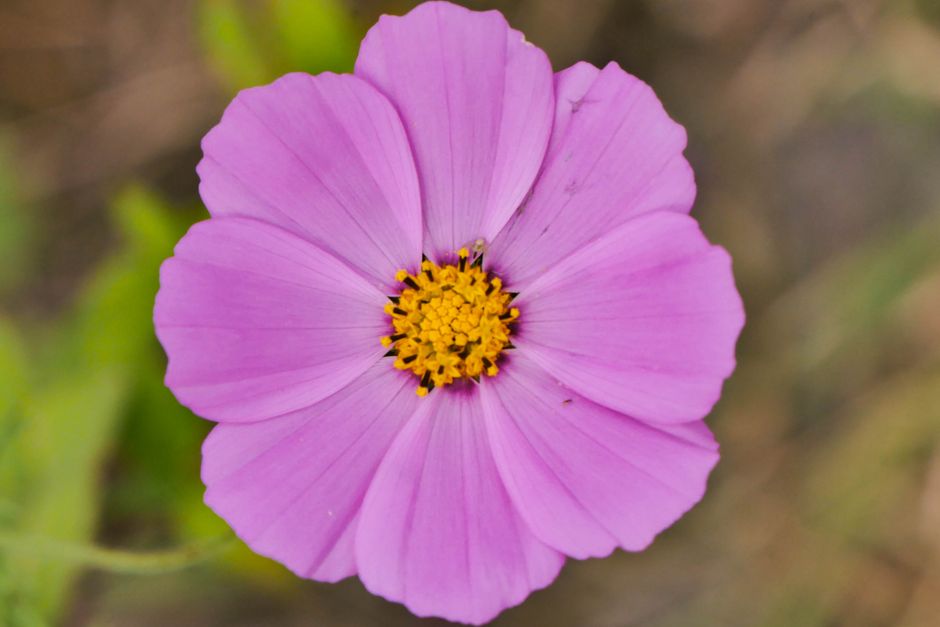
Metapetrocosmea

Photo by David Userralde on Pexels

Metapetrocosmea Care Guide: Light, Watering, Soil & Essential Tips

Metapetrocosmea

Overview

Metapetrocosmea, a member of the Gesneriaceae family, is a captivating and low-maintenance houseplant that has gained popularity among indoor gardening enthusiasts. Native to tropical regions, Metapetrocosmea has adapted to thrive in a variety of environments, making it an ideal choice for growers of all skill levels. This plant's unique foliage and compact growth habit make it perfect for small spaces, and its ability to tolerate some neglect makes it suitable for busy individuals.

Metapetrocosma is a great choice for beginners, as it requires minimal care and can forgive some mistakes. However, experienced growers can also appreciate the plant's adaptability and ability to respond to a range of growing conditions. Whether you're a seasoned horticulturist or a plant novice, Metapetrocosmea is sure to captivate with its striking appearance and low-maintenance requirements.

Light Requirements

Metapetrocosmea thrives in bright, indirect light but can tolerate some direct sunlight. However, direct sunlight can cause the leaves to become scorched, especially during peak sun hours. Growers should aim for an east- or west-facing window, where the plant can receive gentle, filtered light.

Signs of too much light include:

  • Yellowing or browning leaves
  • Leaf scorch or burn
  • A general decline in plant health

On the other hand, signs of too little light include:

  • Weak and spindly growth
  • Leaves that are pale or washed out
  • A lack of vibrancy in the plant's coloration

To ensure optimal growth, growers should aim for a spot with bright, indirect light. If direct sunlight is unavoidable, consider using a sheer curtain to filter the light and prevent damage to the plant.

Watering Guide

Metapetrocosma requires consistent moisture, but it's essential to avoid overwatering. The plant prefers to be watered from the bottom up, as this allows the soil to absorb water slowly and reduces the risk of root rot. Growers should water their Metapetrocosma every 7-10 days during the growing season (spring and summer) and reduce watering to every 4-6 weeks during the dormant season (fall and winter).

Signs of overwatering include:

  • Yellowing or softening of the leaves
  • A sour or unpleasant odor from the soil
  • Puddling or water buildup around the plant

Signs of underwatering include:

  • Wilting or drooping leaves
  • A dry, cracked appearance on the soil's surface
  • A general decline in plant health

To water your Metapetrocosma correctly:

  1. Allow the top 1-2 inches of soil to dry out between waterings.
  2. Water the plant from the bottom up by placing it in a saucer of water for 10-15 minutes.
  3. Remove the plant from the saucer and allow any excess water to drain from the pot.

Soil & Potting

Metapetrocosma prefers well-draining potting soil that contains a mix of peat moss, perlite, and vermiculite. This allows the plant to absorb water and nutrients while preventing waterlogged soil. Growers should aim for a potting mix with a pH between 5.5 and 6.5.

When selecting a pot, choose one with adequate drainage holes to prevent water buildup. A terra cotta or ceramic pot is ideal, as it allows for air circulation and helps to regulate soil moisture. Avoid using plastic pots, as they can retain excess moisture and lead to root rot.

For pot size, Metapetrocosma prefers a pot that is slightly larger than its root system. A 4-6 inch pot is typically suitable for a young plant, while a 6-8 inch pot is better for a more established plant.

Temperature & Humidity

Metapetrocosma thrives in temperatures between 18-22°C (64-72°F) during the day and around 15-18°C (59-64°F) at night. Avoid placing the plant near heating or cooling vents, fireplaces, or drafty windows, as this can cause temperature fluctuations.

Humidity levels should be between 40-60%. If your home is particularly dry, consider using a humidifier to maintain optimal humidity levels. During the winter months, when the air tends to be drier, you may need to increase the humidity level to prevent the plant from suffering.

Fertilizing

Metapetrocosma requires a balanced fertilizer during the growing season (spring and summer). Use a water-soluble fertilizer with a 20-20-20 NPK ratio, and apply it at half the recommended strength to avoid burning the roots. Fertilize the plant every 2-4 weeks, starting when new growth begins.

During the dormant season (fall and winter), reduce or discontinue fertilization, as the plant is not actively growing. This will help prevent excessive growth and promote a strong root system.

Common Problems

1. Yellowing or Softening of the Leaves

Causes: Overwatering, root rot, or nutrient deficiencies. Solutions:

  • Check the soil moisture and adjust watering accordingly.
  • Repot the plant in fresh, well-draining soil.
  • Fertilize the plant with a balanced fertilizer.

2. Leaf Scorch or Burn

Causes: Direct sunlight, extreme temperatures, or overfertilization. Solutions:

  • Move the plant to a spot with bright, indirect light.
  • Adjust the temperature to the recommended range.
  • Discontinue fertilization for a few weeks.

3. Pests or Fungal Infections

Causes: Overwatering, poor air circulation, or contaminated soil. Solutions:

  • Inspect the plant carefully for signs of pests or fungal infections.
  • Treat the plant with insecticidal soap or neem oil.
  • Repot the plant in fresh, well-draining soil and improve air circulation.

4. Root Rot

Causes: Overwatering, poor drainage, or contaminated soil. Solutions:

  • Repot the plant in fresh, well-draining soil.
  • Trim back infected roots and treat with a fungicide.
  • Adjust watering to prevent overwatering.

Frequently Asked Questions

Q: Can Metapetrocosma be grown outdoors?

A: While Metapetrocosma can tolerate some direct sunlight, it's not recommended to grow it outdoors year-round. The plant prefers bright, indirect light, and extreme temperatures can cause damage.

Q: Can I propagate Metapetrocosma from leaf cuttings?

A: Yes, Metapetrocosma can be propagated from leaf cuttings. Take 2-3 inch leaf cuttings, remove lower leaves, and plant them in a pot filled with moistened soil. Keep the soil consistently moist and provide bright, indirect light.

Q: How often should I repot my Metapetrocosma?

A: Metapetrocosma prefers to be slightly root-bound, so it's essential to repot it only when necessary. Repot the plant every 2-3 years in the spring, using a slightly larger pot and fresh, well-draining soil.

Q: Can I grow Metapetrocosma in a hanging basket?

A: Yes, Metapetrocosma can be grown in a hanging basket. Choose a basket with good air circulation and a well-draining potting mix. Water the plant carefully, as the basket's material can retain excess moisture.

Last updated: April 20, 2026
Metapetrocosmea Care Guide: Light, Watering, Soil & Essential Tips | Plantpedia