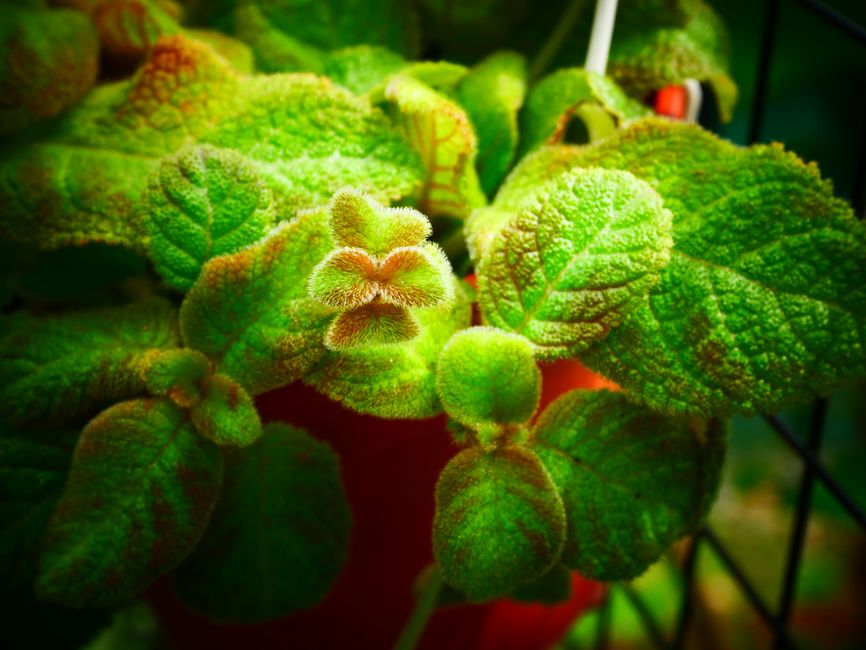
Sinningia araneosa

Photo by cedric george on Pexels

Sinningia araneosa Care Guide: Light, Watering, Soil & Essential Tips

Sinningia araneosa

Overview

Sinningia araneosa is a unique and captivating plant species within the Gesneriaceae family. Native to Brazil, this plant has gained popularity among growers for its striking appearance and relatively low-maintenance care requirements. Sinningia araneosa thrives in environments with moderate temperatures, high humidity, and sufficient light. It is an ideal choice for growers who appreciate its unusual foliage patterns and colors, with a moderate level of care. This plant suits both beginner and experienced growers, as well as those with busy or attentive schedules.

Light Requirements

Sinningia araneosa requires bright, indirect light to photosynthesize efficiently. Growers should place the plant near an east- or west-facing window, where it receives gentle morning or afternoon sunlight. Direct sunlight can cause scorching and discoloration of the leaves, while too little light may result in weak and stretched growth. Signs of too much light include yellowing or browning leaves, while too little light may cause leaves to become pale or lack color.

Watering Guide

Sinningia araneosa prefers moist soil but can be sensitive to overwatering. Growers should water the plant once a week during the growing season (spring and summer) and once every 10-14 days during the dormant season (autumn and winter). It is essential to water the plant from the bottom, allowing excess water to drain from the pot. Top watering can lead to root rot, while underwatering may cause leaves to wilt and drop. Check the soil moisture by sticking your finger into the soil up to the first knuckle. If the soil feels dry, it is time to water.

Soil & Potting

Sinningia araneosa thrives in well-draining potting mix, rich in organic matter and perlite or vermiculite to prevent waterlogging. Growers can create their own mix using a combination of peat moss, perlite, and vermiculite. Avoid using regular potting soil, as it may retain too much water. A pot with good drainage is crucial to prevent root rot. Plastic or ceramic pots are suitable choices, but ensure they have drainage holes to prevent water accumulation. A pot size of 6-8 inches in diameter is ideal, as it allows for sufficient root growth without becoming too heavy.

Temperature & Humidity

Sinningia araneosa prefers daytime temperatures between 18-22°C (64-72°F) and nighttime temperatures around 15-18°C (59-64°F). Growers should avoid placing the plant near heating or cooling vents, fireplaces, or drafty windows. The ideal humidity range for this plant is between 50-70%. During the dry winter months, growers may need to boost humidity using a humidifier or by placing the plant on a tray filled with water and pebbles. This will help maintain optimal humidity levels and prevent leaf drop.

Fertilizing

Growers should fertilize Sinningia araneosa during the growing season (spring and summer) using a balanced, water-soluble fertilizer (20-20-20). Dilute the fertilizer to half the recommended strength to prevent burning the roots. Apply the fertilizer once a month, watering the plant thoroughly after application. During the dormant season (autumn and winter), fertilization should be ceased to allow the plant to conserve energy.

Common Problems

1. Root Rot

Causes: Overwatering, poor drainage, or root bound pots Symptoms: Yellowing or droopy leaves, soft or mushy stems Solution: Repot the plant in fresh, well-draining potting mix, and reduce watering frequency.

2. Leaf Drop

Causes: Underwatering, dry air, or sudden temperature changes Symptoms: Leaves falling off, wilting or browning Solution: Increase watering frequency, maintain optimal humidity, and avoid sudden temperature changes.

3. Pests

Causes: Infestation by mealybugs, spider mites, or scale Symptoms: White, cottony patches on the leaves or stems, fine webbing, or small, dark spots Solution: Isolate the plant, treat with insecticidal soap or neem oil, and inspect the plant regularly.

4. Brown Tips

Causes: Overwatering, poor air circulation, or extreme temperatures Symptoms: Brown or yellowish tips on the leaves Solution: Adjust watering frequency, improve air circulation, and maintain optimal temperatures.

Frequently Asked Questions

Q: Can Sinningia araneosa be grown outdoors?

A: While it can be grown outdoors, Sinningia araneosa prefers the protection of a greenhouse or a shaded area to prevent scorching from direct sunlight.

Q: Is Sinningia araneosa toxic to pets or humans?

A: Like other plants in the Gesneriaceae family, Sinningia araneosa contains toxic compounds that can cause gastrointestinal upset if ingested.

Q: Can I propagate Sinningia araneosa through leaf cuttings?

A: Yes, Sinningia araneosa can be propagated through leaf cuttings, but it is essential to provide the cuttings with high humidity and temperatures around 24-26°C (75-79°F) to promote successful rooting.

Q: How often should I repot Sinningia araneosa?

A: Repot Sinningia araneosa every 2-3 years in the spring, when the plant has outgrown its container or is showing signs of nutrient deficiency. Use a well-draining potting mix and a slightly larger pot to accommodate the plant's increased root growth.

Last updated: April 18, 2026Source: Wikipedia →