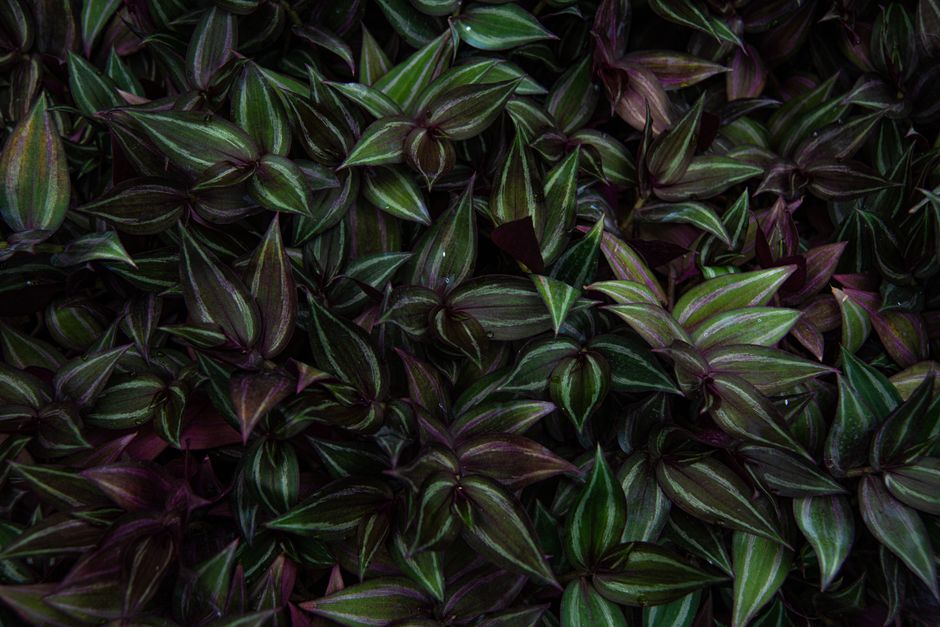
Goeppertia zebrina

Photo by Александр Лич on Pexels

Goeppertia zebrina Care Guide: Light, Watering, Soil & Essential Tips

Goeppertia zebrina

Overview

Goeppertia zebrina, commonly known as the Zebra Plant, is a captivating member of the Marantaceae family, renowned for its strikingly ornate foliage and unique diurnal leaf movements. Native to the tropical rainforests of southeastern Brazil, this plant thrives in the warm, humid understory, where it receives dappled sunlight filtering through the canopy above. Its leaves are a spectacle of nature: vibrant green with distinctive dark purple, almost black, stripes resembling zebra patterns on the upper surface, and a rich, uniform purple hue on the underside.

What makes Goeppertia zebrina truly special, beyond its aesthetic appeal, is its fascinating nyctinastic movement, a characteristic shared with other "prayer plants." During the day, the leaves lie relatively flat, maximizing light absorption. As dusk approaches, the leaves fold upwards, resembling hands clasped in prayer, only to unfurl again with the dawn. This rhythmic dance is a marvel to observe and is believed to be a mechanism to conserve moisture and deter herbivores.

People are drawn to the Zebra Plant for its exotic beauty and dynamic presence. It adds a touch of the tropics and a focal point to any indoor plant collection. The dramatic contrast of its green and purple hues, coupled with the velvety texture of its leaves, makes it a highly sought-after ornamental plant.

While undeniably beautiful, Goeppertia zebrina is not typically considered a plant for absolute beginners. Its specific requirements for high humidity, consistent moisture, and indirect light necessitate a more attentive grower. It flourishes under the care of an intermediate to experienced plant enthusiast who is willing to monitor its environment closely and respond to its needs. Those who enjoy a challenge and are dedicated to providing precise care will find immense reward in cultivating this magnificent species. It is certainly not a "set it and forget it" plant, but rather one that thrives with consistent observation and a thoughtful approach to its care routine.

Light Requirements

Providing the ideal light conditions is paramount for the health and vibrant coloration of Goeppertia zebrina. As an understory plant in its natural habitat, it is accustomed to filtered light, never direct, intense sun.

Ideal Light Conditions: The Zebra Plant thrives in bright, indirect light. This means a location where it receives ample ambient light throughout the day but is shielded from direct sunbeams. Imagine the light filtering through a dense rainforest canopy – bright, but diffused. An east-facing window is often ideal, as it provides gentle morning sun for a few hours before the light becomes too intense. A north-facing window can also work well, offering consistent, soft indirect light throughout the day.

Signs of Too Much Light: Exposure to direct sunlight, especially the harsh afternoon sun, can quickly damage the delicate leaves of Goeppertia zebrina.

  • Fading Colors: The distinctive green and purple patterns will begin to dull and fade, losing their vibrancy. The beautiful dark stripes may become less pronounced.
  • Scorched or Bleached Leaves: Direct sun can cause sunburn, appearing as pale, bleached patches on the leaves.
  • Crispy Edges and Tips: The leaf margins may turn brown and crispy, indicating dehydration and stress from excessive light and heat.
  • Stunted Growth: The plant may cease producing new growth or new leaves will be smaller than usual.

Signs of Too Little Light: While too much light is detrimental, insufficient light can also hinder the plant's growth and aesthetic appeal.

  • Leggy Growth: The stems may stretch and become elongated as the plant desperately reaches for a light source.
  • Dull Colors: The characteristic vibrant patterns may appear muted, and the purple undersides might lose some of their intensity.
  • Lack of Leaf Movement (Nyctinasty): The "prayer" movement of the leaves may become less pronounced or cease entirely, as the plant lacks the energy signals needed for this diurnal rhythm.
  • Smaller Leaves: New leaves may emerge smaller than previous ones.

Window Placement Tips:

  • East-facing Window: Generally considered the best option, offering gentle morning sun.
  • North-facing Window: Provides consistent, soft indirect light throughout the day, often suitable for Goeppertia zebrina.
  • South or West-facing Window: These windows typically receive intense direct sunlight. If these are the only options, the plant must be placed several feet away from the window or shielded by sheer curtains to diffuse the light effectively. Consider placing it behind taller, sun-loving plants that can act as a natural screen.
  • Avoid: Direct overhead grow lights that are too close, as these can mimic direct sun exposure and cause similar damage. If using grow lights, ensure they are full-spectrum and positioned at an appropriate distance to provide bright, but indirect, illumination.

Watering Guide

Proper watering is one of the most critical aspects of Goeppertia zebrina care, as the plant is sensitive to both overwatering and underwatering. It prefers consistently moist, but not soggy, soil.

Frequency: The general rule is to water when the top 1-2 inches (2.5-5 cm) of the soil feel dry to the touch. This typically translates to watering every 5 to 10 days, though this can vary significantly based on environmental factors such as temperature, humidity, light intensity, pot size, and soil composition. It is always best to check the soil moisture rather than adhere strictly to a schedule. During the active growing season (spring and summer), the plant will require more frequent watering.

Method (Top vs. Bottom Watering):

  • Top Watering: Water thoroughly until water drains from the bottom of the pot. Ensure the entire soil ball is saturated. Discard any excess water that collects in the saucer after about 15-20 minutes to prevent the roots from sitting in standing water, which can lead to root rot.
  • Bottom Watering: This method can be very effective for Goeppertia zebrina. Place the pot in a tray or sink filled with 1-2 inches (2.5-5 cm) of water. Allow the plant to soak up water through the drainage holes for 20-30 minutes, or until the top layer of soil feels moist. This encourages stronger root development and ensures even moisture distribution. Remove the pot from the water and let it drain completely.
  • Water Quality: Goeppertia zebrina is sensitive to chemicals found in tap water, particularly fluoride and chlorine, which can cause brown leaf tips and edges. It is highly recommended to use filtered water, distilled water, or rainwater. If using tap water, allow it to sit out for at least 24 hours to allow chlorine to dissipate, though this will not remove fluoride.

Signs of Overwatering: Overwatering is a common killer of Goeppertia zebrina and can quickly lead to severe problems.

  • Yellowing Leaves: Especially lower leaves, which may turn yellow and become mushy.
  • Mushy Stems or Base: The base of the plant may feel soft and squishy, indicating rot.
  • Stunted Growth: Overall growth will slow or stop entirely.
  • Foul Odor: A distinct smell of decay coming from the soil can indicate root rot.
  • Drooping: While also a sign of underwatering, overwatered plants may droop because damaged roots cannot supply water efficiently. The leaves will feel limp rather than crispy.

Signs of Underwatering: While less immediately fatal than overwatering, consistent underwatering will stress the plant and impair its beauty.

  • Drooping Leaves: The leaves will appear limp and may hang downwards.
  • Crispy Edges and Tips: The leaf margins and tips will turn brown and become dry and brittle.
  • Leaf Curling: Leaves may curl inwards to conserve moisture.
  • Slow Growth: The plant will produce fewer new leaves, and existing leaves may appear dull.

Seasonal Adjustments:

  • Growing Season (Spring and Summer): During active growth, the plant will require more frequent watering due to increased metabolic activity and evaporation. Monitor soil moisture diligently.
  • Dormancy (Fall and Winter): As light levels decrease and temperatures potentially drop, the plant's growth slows significantly. Reduce watering frequency, allowing the soil to dry out a bit more between waterings, but never to the point of complete desiccation. The goal is to keep it from drying out completely, but also to prevent waterlogging when the plant is not actively using much water.

Soil & Potting

The right soil mix and pot are crucial for maintaining the delicate moisture balance that Goeppertia zebrina requires.

Ideal Soil Mix: Goeppertia zebrina needs a soil mix that is both well-draining and moisture-retentive, mimicking the rich, airy, and slightly acidic soil of its rainforest home. A good mix should prevent waterlogging while holding enough moisture to keep the roots consistently damp.

  • A common and effective blend consists of:
    • 2 parts peat moss or coco coir: Provides excellent moisture retention and a slightly acidic pH.
    • 1 part perlite or coarse sand: Enhances drainage and aeration, preventing compaction.
    • 1 part orchid bark or horticultural charcoal: Further improves drainage and aeration, mimicking the chunky organic matter found in natural habitats.
  • The ideal pH for Goeppertia zebrina soil is slightly acidic, generally between 6.0 and 6.5. This pH range allows for optimal nutrient uptake.

Drainage Requirements: Excellent drainage is non-negotiable for the Zebra Plant. Poor drainage leads to soggy soil, which suffocates roots and promotes root rot, a common demise for this species.

  • Drainage Holes: Always use a pot with adequate drainage holes at the bottom. Never plant Goeppertia zebrina in a pot without drainage.
  • Drainage Layer (Optional but Recommended): While not strictly necessary if the soil mix is well-draining, a thin layer of pebbles or broken pot shards at the bottom of the pot can provide an extra safeguard against standing water, though this primarily creates a perched water table if the soil above is too fine. The best drainage comes from the soil mix itself.

Pot Material Recommendations: The choice of pot material can influence how quickly the soil dries out.

  • Plastic Pots: These are often recommended for Goeppertia zebrina because they retain moisture longer than porous materials. This helps maintain the consistent soil moisture the plant prefers, reducing the frequency of watering.
  • Glazed Ceramic Pots: Similar to plastic, glazed ceramic pots are non-porous and will help keep the soil moist.
  • Terracotta Pots: While excellent for plants that prefer to dry out quickly between waterings, terracotta can dry out the soil too rapidly for Goeppertia zebrina, especially in lower humidity environments. If using terracotta, be prepared to water more frequently and monitor soil moisture very closely.

Pot Size Guide:

  • Repotting Frequency: Goeppertia zebrina generally prefers to be slightly root-bound and does not require frequent repotting. Repotting is typically needed every 1 to 2 years, or when the plant shows signs of being root-bound (roots emerging from drainage holes, water running straight through, stunted growth).
  • Choosing the Right Size: When repotting, select a pot that is only one size larger than the current one – usually 1 to 2 inches (2.5-5 cm) wider in diameter. Moving to a significantly larger pot can lead to excess soil holding too much moisture, increasing the risk of overwatering and root rot, as the roots cannot absorb all the water from the large volume of soil.
  • Method: Repot during the active growing season (spring or early summer) to allow the plant to recover quickly. Gently remove the plant, inspect the roots (trim any mushy or circling ones), and replant in fresh soil.

Temperature & Humidity

Goeppertia zebrina is a tropical plant and thrives in conditions that mimic its warm, humid rainforest origins. Maintaining appropriate temperature and humidity levels is vital for its health and vibrant appearance.

Ideal Temperature Ranges:

  • The Zebra Plant prefers warm temperatures, ideally between 18°C and 27°C (65°F and 80°F).
  • It can tolerate temperatures slightly outside this range, but prolonged exposure to extremes will cause stress.
  • Avoid sudden temperature drops: Temperatures below 15°C (60°F) can be detrimental, leading to leaf damage, shock, and inhibited growth. Cold drafts from windows or air conditioning units should be avoided.
  • Consistent temperatures are preferred, so avoid placing the plant near exterior doors, drafty windows, or heating/cooling vents that experience significant fluctuations.

Humidity Percentages:

  • High humidity is absolutely crucial for Goeppertia zebrina. It thrives in environments with humidity levels consistently above 60%, ideally ranging from 70% to 80%.
  • Humidity levels below 50% will quickly lead to problems, most notably crispy, brown leaf edges and tips, dull foliage, and a general decline in plant vigor. The velvety texture of its leaves makes it particularly sensitive to dry air.

Seasonal Considerations:

  • Winter: During colder months, indoor heating systems drastically reduce ambient humidity. This is when Goeppertia zebrina is most susceptible to humidity-related issues. Special attention must be paid to boosting humidity during this period. Ensure the plant is not near cold windows or drafty areas.
  • Summer: While outdoor humidity might be higher, air conditioning can also dry out indoor air. Monitor conditions and adjust humidity methods as needed.

How to Boost Humidity if Needed:

  • Humidifier: This is by far the most effective and consistent method for increasing ambient humidity around your plant. A cool-mist humidifier placed near the plant (but not directly misting it) can maintain optimal humidity levels.
  • Pebble Trays: Place the pot on a shallow tray filled with pebbles and water. Ensure the bottom of the pot does not sit directly in the water, as this can lead to root rot. As the water evaporates, it increases localized humidity around the plant. While less effective than a humidifier for large areas, it provides a beneficial microclimate.
  • Grouping Plants: Plants release moisture through transpiration. Grouping several plants together can create a small, localized pocket of higher humidity.
  • Terrariums or Cloches: For smaller Goeppertia zebrina specimens, placing them in a cloche or a closed terrarium can create a very high-humidity environment. Ensure adequate air circulation to prevent fungal issues.
  • Misting (Limited Effectiveness): While often recommended, misting the leaves with water provides only a very temporary increase in humidity (lasting minutes, not hours). For true and lasting humidity, one of the above methods is far more effective. Frequent misting can also lead to water spots or fungal problems if the leaves remain wet for too long. If you do mist, use distilled or filtered water to avoid mineral deposits.

Fertilizing

Proper fertilization supports vigorous growth and vibrant foliage in Goeppertia zebrina, but it's important to do so correctly to avoid over-fertilization, which can burn the roots.

Type of Fertilizer:

  • Use a balanced liquid houseplant fertilizer. An NPK ratio such as 5-5-5 or 10-10-10 (diluted) is generally suitable.
  • Alternatively, a fertilizer formulated for foliage plants, which may have a slightly higher nitrogen content, can also be beneficial.
  • Always dilute the fertilizer to half or even quarter strength of the manufacturer's recommendations. Goeppertia zebrina is sensitive to fertilizer salts, and over-fertilizing is much more harmful than under-fertilizing.

Frequency:

  • Growing Season (Spring and Summer): Fertilize every 2 to 4 weeks during the active growing months when the plant is actively producing new leaves.
  • Dormancy (Fall and Winter): Do not fertilize during the cooler, darker months of fall and winter. The plant's growth naturally slows down, and it does not require additional nutrients. Fertilizing during dormancy can lead to a buildup of salts in the soil, potentially damaging the roots.

Application Tips:

  • Always apply fertilizer to moist soil. Fertilizing dry soil can cause root burn. Water the plant thoroughly before applying the diluted fertilizer solution.
  • Flush the soil occasionally (every few months) by watering thoroughly until a significant amount of water drains from the bottom. This helps prevent the buildup of mineral salts from fertilizer and tap water.
  • Monitor your plant for signs of nutrient deficiencies (e.g., general yellowing, stunted growth) or over-fertilization (e.g., burnt leaf tips, stunted growth). Adjust your fertilizing schedule and dilution accordingly.

Common Problems

Goeppertia zebrina can be a bit finicky, and understanding its common issues is key to keeping it healthy and thriving.

1. Crispy Leaf Edges/Tips

  • Symptoms: Brown, dry, and crispy edges or tips on the leaves. The affected areas feel brittle to the touch.
  • Causes:
    • Low Humidity: This is the most common cause. Goeppertia zebrina requires high humidity, and dry air will quickly manifest as crispy leaf margins.
    • Underwatering: Inconsistent or insufficient watering can lead to dehydration, causing the leaf edges to dry out.
    • Fluoride/Chlorine in Water: Tap water often contains chemicals that can accumulate in the leaf tips and cause browning.
    • Too Much Light: Direct, intense sunlight can scorch leaves and cause them to dry out.
  • Solutions:
    • Increase Humidity: Use a humidifier, pebble trays, or group plants together. Aim for 60-80% humidity.
    • Consistent Watering: Ensure the soil is consistently moist (but not soggy) by checking the top 1-2 inches before watering.
    • Use Filtered Water: Switch to distilled, filtered, or rainwater to avoid chemical buildup.
    • Adjust Light: Move the plant to a location with bright, indirect light, away from direct sun.

2. Fading Leaf Color / Dull Stripes

  • Symptoms: The vibrant green and dark purple stripes lose their intensity and become dull or washed out. The overall color of the leaves may appear pale.
  • Causes:
    • Too Much Direct Light: Excessive light, especially direct sunlight, can bleach the pigments in the leaves, causing the colors to fade.
  • Solutions:
    • Relocate to Indirect Light: Move the plant to a spot where it receives bright, indirect light. An east or north-facing window is often ideal, or further away from a south or west-facing window. The colors should gradually return with proper light conditions.

3. Drooping Leaves

  • Symptoms: Leaves appear limp and hang downwards, losing their characteristic upright posture.
  • Causes:
    • Underwatering (Most Common): When the soil is too dry, the plant lacks sufficient water to maintain turgor pressure in its leaves, causing them to droop.
    • Overwatering/Root Rot: Paradoxically, overwatering can also cause drooping. If the roots are suffocated or rotting due to soggy soil, they cannot absorb water efficiently, leading to dehydration symptoms despite wet soil.
    • Cold Shock: Sudden exposure to cold temperatures or drafts can cause the plant to go into shock, resulting in limp, drooping leaves.
  • Solutions:
    • Check Soil Moisture: Feel the soil. If it's dry, water thoroughly. If it's soggy, check for root rot.
    • Address Root Rot (if present): If the soil is wet and the plant is drooping, gently unpot the plant and inspect the roots. Trim away any mushy, brown, or black roots with sterile shears. Repot in fresh, well-draining soil.
    • Ensure Warmth: Move the plant to a warmer location away from drafts, ensuring temperatures are within the ideal range of 18-27°C (65-80°F).

4. Spider Mites

  • Symptoms: Tiny, fine webs, often in leaf axils or on the undersides of leaves. Small, reddish-brown or black speckles on the leaves (the mites themselves). Yellow stippling or tiny dots on leaves, which can eventually lead to overall yellowing and leaf drop.
  • Causes:
    • Dry Air: Spider mites thrive in dry, low-humidity environments, making Goeppertia zebrina particularly susceptible if humidity is insufficient.
    • New Infected Plants: Pests often arrive on newly purchased plants.
  • Solutions:
    • Isolate: Immediately separate the infected plant from other houseplants to prevent spread.
    • Increase Humidity: Boost ambient humidity around the plant, as spider mites dislike moist conditions.
    • Wipe Leaves: Gently wipe down the leaves (especially the undersides) with a damp cloth or sponge to physically remove mites and webs.
    • Insecticidal Soap/Neem Oil: Apply a diluted solution of insecticidal soap or neem oil to all leaf surfaces, repeating every 5-7 days for several weeks to break the pest life cycle.
    • Hose Down: For severe infestations, a gentle but thorough rinse under a shower or hose can dislodge many mites.

Frequently Asked Questions

Q: Why are my plant's leaves curling inwards?

Leaves curling inwards on a Goeppertia zebrina typically indicate that the plant is trying to conserve moisture. This is most often a sign of underwatering or critically low humidity, as the plant is stressed and attempting to reduce its surface area for water loss. Check your soil moisture and humidity levels to address the issue.

Q: Is Goeppertia zebrina toxic to pets?

No, Goeppertia zebrina is considered non-toxic to cats, dogs, and other household pets according to the ASPCA. This makes it a safe and beautiful choice for homes with curious furry friends.

Q: How often should I repot my Zebra Plant?

Goeppertia zebrina generally prefers to be slightly root-bound and typically needs repotting every 1 to 2 years. Repot when you see roots emerging from the drainage holes, growth has slowed significantly, or the plant appears top-heavy.

Q: Why don't my leaves "pray" anymore?

The characteristic "prayer" movement (nyctinasty) of Goeppertia zebrina leaves can cease if the plant is stressed or not receiving adequate light. Insufficient light is a common cause, as the movement is light-dependent, but low humidity or general plant stress can also inhibit this natural process.

Last updated: April 29, 2026