Photo by Steven Paton on Pexels
Aeridostachya Care Guide: Light, Watering, Soil & Essential Tips
Aeridostachya
Overview
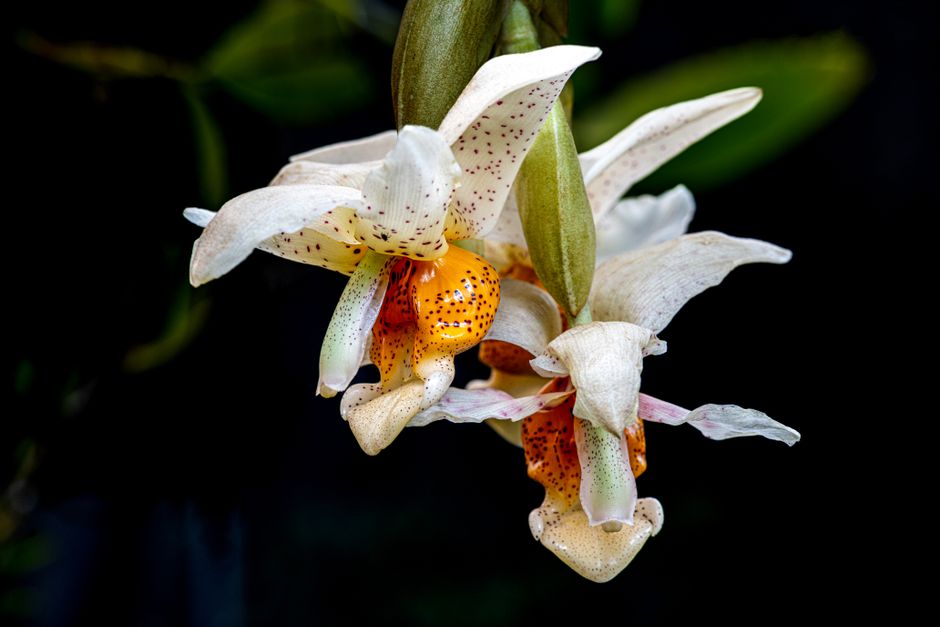
Aeridostachya, a captivating genus within the vast Orchidaceae family, represents a fascinating group of epiphytic and sometimes lithophytic orchids native to the tropical and subtropical regions of Southeast Asia, including countries like Thailand, Malaysia, Indonesia, and the Philippines. These orchids are typically found growing on trees or rocks, anchoring themselves with robust root systems that absorb moisture and nutrients from the air and decaying organic matter. What makes Aeridostachya special is its unique growth habit, often characterized by a monopodial growth pattern (a single main stem from which leaves and flowers emerge) or sometimes a sympodial habit with pseudobulbs, depending on the specific species. Their inflorescences can be quite striking, producing a cascade of delicate, often fragrant flowers in various shades of white, yellow, pink, or purple, frequently adorned with intricate patterns or contrasting labellums.
People are drawn to Aeridostachya for several compelling reasons. Beyond their inherent beauty and exotic appeal, many species offer delightful fragrances that can fill a room. The challenge of cultivating these plants successfully also appeals to many enthusiasts, offering a rewarding experience as they witness new growths and spectacular blooms. Their relatively compact size for some species also makes them suitable for indoor cultivation, even in smaller spaces, provided their specific environmental needs are met.
Cultivating Aeridostachya is generally considered suitable for intermediate to expert orchid growers. While not as demanding as some of the most finicky orchid genera, they do require a consistent and attentive approach to care, particularly regarding light, humidity, and watering. Beginners might find them challenging without prior orchid experience, as their epiphytic nature dictates specific potting media and watering techniques that differ significantly from typical houseplants. Attentive growers who can dedicate time to monitoring environmental conditions and adjusting care routines seasonally will find Aeridostachya a rewarding addition to their collection. Busy individuals might struggle to meet the consistent humidity and watering demands without automated systems or a dedicated orchid growing space.
Light Requirements
Aeridostachya orchids thrive in bright, indirect light conditions, mimicking their natural habitat where they receive dappled sunlight filtering through a tree canopy. Providing the correct amount of light is paramount for healthy growth and prolific blooming.
Ideal Light Conditions: The ideal light intensity for most Aeridostachya species ranges from approximately 1,500 to 3,000 foot-candles (16,000 to 32,000 lux). This level of light is often described as "bright, indirect," meaning the plant should never be exposed to direct, harsh midday sun, which can quickly scorch its leaves. An east-facing window is often considered ideal, as it provides gentle morning sun. A shaded south or west-facing window can also work, but the plant should be positioned several feet away from the glass or protected by a sheer curtain to diffuse the intense afternoon light. North-facing windows typically do not provide enough light for Aeridostachya to bloom consistently, though they might support vegetative growth. If natural light is insufficient, supplemental artificial lighting, such as LED grow lights designed for orchids, can be used. These should be placed at an appropriate distance to avoid burning the foliage, typically 12-18 inches (30-45 cm) above the plant, and run for 12-14 hours daily.
Signs of Too Much Light:
- Scorched or Sunburned Leaves: The most obvious sign is the appearance of brown or black patches on the leaves, particularly on the upper surfaces exposed directly to the sun. These spots are dry and crispy to the touch.
- Yellowing Leaves: While older leaves naturally yellow and drop, widespread yellowing of newer leaves can indicate excessive light. The leaves may also appear bleached or faded.
- Reddish or Purplish Pigmentation: Some Aeridostachya species may develop a reddish or purplish tint on their leaves when exposed to very high light levels. While a slight flush can be a sign of optimal light in some orchids, an intense, widespread coloration often suggests the plant is stressed by too much light.
- Stunted Growth: The plant may stop producing new leaves or pseudobulbs, or new growth may appear smaller than usual.
Signs of Too Little Light:
- Lack of Blooms: The most common symptom of insufficient light is the absence of flowers, even if the plant appears otherwise healthy. Aeridostachya requires adequate light energy to initiate and sustain flower production.
- Dark Green, Lush Leaves: While healthy leaves are green, leaves that are unusually dark green and appear overly lush or floppy can indicate that the plant is stretching to absorb more light.
- Leggy Growth: New growths may be elongated and weak, with leaves spaced farther apart than normal, as the plant attempts to reach for a light source.
- Slow Growth: The plant may exhibit very slow overall growth, with few new leaves or roots appearing.
Window Placement Tips:
- East-facing window: This is generally the best location, providing gentle morning sun for several hours without the intensity of midday or afternoon light.
- Shaded South or West-facing window: If an east-facing window is not available, a south or west-facing window can work, but crucial precautions must be taken. Position the plant at least 3-5 feet (0.9-1.5 meters) away from the window, or use sheer curtains, blinds, or other plants to provide significant diffusion and protection from direct sun, especially during the hottest parts of the day.
- North-facing window: Generally not recommended for Aeridostachya due to insufficient light. If this is the only option, supplemental grow lights will be essential for blooming.
- Outdoor placement: In suitable climates, Aeridostachya can be grown outdoors during warm months. They should be placed under the canopy of trees or in a shaded area where they receive bright, indirect light, similar to their indoor requirements. Protection from strong winds and heavy rain is also important.
Regularly observe the plant's leaves for color and texture changes, as these are the best indicators of whether the light conditions are optimal. Adjust placement as needed to maintain vibrant green, healthy foliage that is neither too dark nor too bleached.
Watering Guide
Proper watering is one of the most critical aspects of Aeridostachya care, directly impacting root health and overall plant vigor. As epiphytes, their roots are adapted to dry out quickly between watering, rather than remaining constantly wet.
Frequency: The frequency of watering depends on several factors: the potting medium, pot size, ambient temperature, humidity, and the plant's growth stage. As a general rule, Aeridostachya should be watered when its potting medium is nearly dry but not completely bone dry. For plants in bark-based mixes, this typically translates to watering every 5 to 10 days. Plants in sphagnum moss may require less frequent watering, perhaps every 7 to 14 days, as moss retains moisture for longer. During warmer months and periods of active growth (when new leaves, roots, or flower spikes are emerging), watering will be more frequent. During cooler, less active periods, the frequency should be reduced. It is always better to err on the side of slightly underwatering than overwatering. Experienced growers often judge by the weight of the pot (lighter when dry) or by inserting a finger into the media to feel for moisture. Clear pots are beneficial as they allow visual inspection of root color; plump, green roots indicate hydration, while silvery-white roots signal dryness.
Method (Top vs. Bottom Watering): The preferred method for Aeridostachya is top watering, where the plant is thoroughly drenched. Place the potted orchid in a sink or basin and pour room-temperature water over the potting medium until it drains freely from the bottom of the pot. Ensure all roots and media are saturated. Allow the pot to drain completely for several minutes before returning it to its display location. This method helps to flush out accumulated fertilizer salts and ensures adequate hydration of the entire root system. Using filtered or rainwater is often recommended, as tap water can contain chlorine, fluorides, or high mineral content that can build up in the potting medium over time. Bottom watering is generally not recommended for orchids in bark-based mixes, as it can lead to mineral salt buildup and uneven saturation of the media.
Signs of Overwatering:
- Root Rot: This is the most common and serious consequence of overwatering. Roots will appear dark brown or black, soft, mushy, and easily pull apart when touched. Healthy roots are firm and typically green or white.
- Yellowing Leaves: Leaves may turn yellow, sometimes accompanied by a soft, mushy texture.
- Blackened or Soft Pseudobulbs: If the species has pseudobulbs, they may become soft, shriveled, or turn black at the base due to rot.
- Foul Odor: A distinct, unpleasant smell emanating from the pot can indicate advanced root rot and bacterial/fungal growth.
Signs of Underwatering:
- Wrinkled or Leathery Leaves: Leaves may lose their turgidity, becoming soft, wrinkled, or leathery to the touch.
- Shriveled Pseudobulbs: For species with pseudobulbs, these may appear shrunken, wrinkled, and dehydrated.
- Dry, Silvery Roots: Roots visible through a clear pot will appear silvery-white and brittle, rather than plump and green.
- Drooping Foliage: The entire plant may appear to droop or wilt, indicating a lack of internal water pressure.
Seasonal Adjustments:
- Growing Season (Spring/Summer): During periods of active growth, which typically coincide with warmer temperatures and longer daylight hours, Aeridostachya will require more frequent watering. The plant is actively producing new leaves, roots, and potentially flower spikes, demanding more moisture.
- Dormancy/Rest Period (Autumn/Winter): Many orchids, including some Aeridostachya species, enter a period of reduced growth or dormancy during cooler, shorter days. During this time, the plant's metabolic rate slows down, and it requires significantly less water. Reduce watering frequency, ensuring the medium dries out more thoroughly between waterings. However, do not allow the plant to remain dry for extended periods, as it still needs some moisture to sustain itself.
Consistency in watering, coupled with careful observation of the plant and its potting medium, is key to successful Aeridostachya cultivation.
Soil & Potting
The correct potting medium and pot type are crucial for Aeridostachya, reflecting its epiphytic nature and need for excellent drainage and air circulation around its roots.
Ideal Soil Mix: Aeridostachya, like most epiphytic orchids, does not grow in traditional soil. Instead, it requires a coarse, free-draining, and well-aerated potting mix that mimics its natural growing conditions on tree bark. A common and effective mix typically includes:
- Fir Bark (medium grade): This forms the bulk of the mix, providing structure, drainage, and some moisture retention. It breaks down slowly, releasing nutrients as it decomposes.
- Sphagnum Moss (long-fiber, high quality): Used sparingly, sphagnum moss helps to retain moisture and humidity around the roots. It's particularly useful for smaller plants, seedlings, or in drier environments, but too much can lead to overwatering.
- Perlite or Horticultural Charcoal: These components improve aeration and drainage, preventing compaction and helping to absorb impurities.
- Coconut Husks/Chips: Similar to bark, these provide structure and moisture retention, often used as a sustainable alternative or supplement to fir bark.
The exact ratio can be adjusted based on the grower's environment and watering habits. For instance, in a very humid environment, a mix with less sphagnum moss and more bark might be preferred. A typical mix could be 60-70% fir bark, 10-20% sphagnum moss, and 10-20% perlite/charcoal. The key is to ensure the mix allows for rapid drainage and ample airflow to the roots, preventing them from sitting in stagnant water.
Drainage Requirements: Exceptional drainage is non-negotiable for Aeridostachya. Their roots are highly susceptible to rot if deprived of oxygen or if constantly wet. The potting medium itself must be coarse enough to allow water to flow through quickly, and the pot must have ample drainage holes. Never use a pot without drainage holes, or place pebbles at the bottom of a pot as a "drainage layer" – this creates a perched water table, which exacerbates root rot.
Pot Material Recommendations:
- Clear Plastic Pots: Highly recommended for Aeridostachya. They allow growers to easily monitor the roots for signs of hydration (green/plump vs. silvery/shriveled) and health (signs of rot). They also allow light to reach the roots, which is beneficial for many epiphytic orchids. Clear pots often come with extra ventilation holes on the sides.
- Terracotta Pots (Unglazed Clay): These pots are porous and allow for excellent air circulation, promoting faster drying of the potting medium. They are a good choice for growers who tend to overwater or for use in very humid environments. However, they can cause the medium to dry out very quickly, requiring more frequent watering, and salts can accumulate on the pot's surface.
- Net Pots or Baskets: Ideal for species that prefer maximum air exposure to their roots, or for mounting. These allow roots to grow freely into the air. If using net pots, the potting medium will dry out extremely fast, necessitating very frequent watering, often daily in warm conditions.
Pot Size Guide: Aeridostachya orchids generally prefer to be slightly underpotted rather than overpotted.
- Snug Fit: Choose a pot that is just large enough to accommodate the root system comfortably, with about 1 inch (2.5 cm) of space around the roots for new growth.
- Repotting Frequency: Repotting is typically done every 1-2 years, or when the potting medium starts to break down (becomes mushy, compacted, or smells sour). Repotting should ideally occur when the plant is sending out new root growth, as this helps the plant establish quickly in its new medium.
- Upsizing: When repotting, only go up one pot size (e.g., from a 4-inch to a 5-inch pot) if the plant has significantly outgrown its current pot. An oversized pot holds too much moisture, increasing the risk of root rot. If the roots are healthy but the medium has broken down, repotting into the same size pot with fresh media is often appropriate.
- Mounting: Many Aeridostachya species can be successfully grown mounted on cork bark, tree fern slabs, or other suitable materials. This method perfectly mimics their natural epiphytic habit, providing excellent air circulation. Mounted orchids require much more frequent watering, often daily misting or soaking, as their roots dry out very rapidly.
Careful attention to potting and media ensures the roots remain healthy, which is foundational to the overall health and blooming success of Aeridostachya.
Temperature & Humidity
Maintaining appropriate temperature and humidity levels is vital for the health and blooming of Aeridostachya orchids, as they originate from tropical and subtropical climates.
Ideal Ranges:
Temperature: Most Aeridostachya species are considered warm to intermediate growers.
- Daytime temperatures: Should ideally range between 20°C and 30°C (68°F to 86°F). Consistent temperatures within this range promote active growth and photosynthesis.
- Nighttime temperatures: Should be cooler, typically between 15°C and 20°C (59°F to 68°F). This diurnal temperature drop (a difference of 5-10°C or 10-15°F between day and night) is crucial for many orchid species, including Aeridostachya, as it signals the plant to initiate flower spike development. Without this temperature differential, plants may grow vegetatively but fail to bloom.
- Absolute Minimum: Temperatures should not drop below 13°C (55°F) for extended periods, as this can stress the plant and potentially lead to cold damage or dormancy issues.
- Absolute Maximum: Prolonged exposure to temperatures above 32°C (90°F) can also cause stress, especially if humidity is low, leading to dehydration and stunted growth.
Humidity: Aeridostachya thrives in high humidity.
- Ideal Range: Relative humidity levels between 60% and 80% are optimal. This high humidity helps to prevent dehydration, supports healthy root development (especially aerial roots), and aids in the absorption of atmospheric moisture.
- Below 50%: If humidity consistently falls below 50%, the plant may struggle. Leaves can become wrinkled or shriveled, flower buds may blast (fail to open), and the plant becomes more susceptible to pests like spider mites.
Seasonal Considerations:
- Warm Growing Season (Spring/Summer): During these months, maintaining the ideal temperature range is usually easier. Higher daytime temperatures should be balanced with adequate humidity and air circulation to prevent overheating and fungal issues.
- Cooler Rest Period (Autumn/Winter): While temperatures might naturally drop, it's important to ensure they remain within the acceptable minimum range. The crucial diurnal temperature drop becomes even more important during this period to encourage blooming. Humidity might naturally be lower indoors due to heating systems, requiring active measures to boost it.
How to Boost Humidity if Needed:
- Humidity Trays: Place the potted orchid on a tray filled with pebbles and water. Ensure the bottom of the pot does not sit directly in the water, as this can lead to root rot. As the water evaporates, it increases the humidity around the plant.
- Grouping Plants: Grouping several plants together creates a microclimate with higher localized humidity, as plants release moisture through transpiration.
- Room Humidifier: For a more effective and consistent solution, especially in dry indoor environments, a dedicated room humidifier can be used. Ultrasonic or cool mist humidifiers are excellent choices.
- Misting (with caution): While misting can provide a temporary boost, it is generally not a sustainable solution for long-term humidity. If misting, do so early in the day so the leaves have time to dry completely before nightfall, preventing fungal and bacterial infections. Avoid misting flowers.
- Enclosed Grow Space: For advanced growers, a terrarium, grow tent, or dedicated orchid cabinet can provide a controlled environment where temperature and humidity can be precisely managed.
Good air circulation is also critical when humidity is high to prevent the development of fungal and bacterial diseases. Use a small fan to gently move air around the plants, ensuring leaves and media dry adequately after watering.
Fertilizing
Proper fertilization is essential for providing Aeridostachya orchids with the nutrients they need for robust growth and prolific flowering. However, orchids are not heavy feeders and require a diluted approach.
Type of Fertilizer: A balanced orchid-specific fertilizer is generally recommended. Look for formulations specifically designed for orchids, which typically have a balanced N-P-K (Nitrogen-Phosphorus-Potassium) ratio, such as 20-20-20, or a "bloom booster" formula with a higher phosphorus content (e.g., 10-30-20) to encourage flowering. Some growers prefer urea-free fertilizers, as urea nitrogen may not be as readily available to orchids grown in bark-based media. Fertilizers containing trace elements like magnesium, calcium, iron, and boron are also beneficial.
Frequency: The most common and effective strategy for fertilizing Aeridostachya is the "weakly, weekly" approach. This involves applying a highly diluted fertilizer solution at nearly every watering during the active growing season.
- Dilution: Always dilute the fertilizer to 1/4 to 1/2 of the strength recommended on the product label. For example, if the label recommends 1 teaspoon per gallon, use 1/4 to 1/2 teaspoon per gallon for orchids. Over-fertilization is far more damaging than under-fertilization.
- Application: Apply the diluted fertilizer solution after watering the plant with plain water first. This helps to prevent fertilizer burn on dry roots. Alternatively, some growers mix the dilute fertilizer directly into their regular watering schedule.
Growing Season vs. Dormancy:
- Active Growing Season (Spring/Summer): During periods of active growth (when new leaves, roots, or flower spikes are forming), fertilize regularly, typically every 1-2 weeks, using the "weakly, weekly" method. This provides the necessary nutrients for vigorous development.
- Dormancy or Rest Period (Autumn/Winter): When the plant's growth slows down or it enters a period of dormancy due to cooler temperatures and shorter daylight hours, significantly reduce or cease fertilization. During this time, the plant's metabolic activity is lower, and it requires fewer nutrients. Fertilizing too much during dormancy can lead to salt buildup and root damage. A light flush with plain water once a month is sufficient during these periods.
Important Considerations:
- Flush Regularly: To prevent the buildup of mineral salts from fertilizer and tap water, it is crucial to flush the potting medium with plain, clear water at full strength at least once a month. Pour a generous amount of plain water through the pot, allowing it to drain completely. This practice is vital for maintaining root health.
- Monitor for Salt Buildup: White, crusty deposits on the potting medium or around the pot rim indicate salt buildup, which can burn roots. If this occurs, flush the pot thoroughly and consider reducing fertilizer concentration or frequency.
- Never Fertilize a Dry Plant: Always water the plant thoroughly with plain water before applying fertilizer, or incorporate the fertilizer into the watering routine, to avoid damaging the roots.
- Adjust to Plant Health: A healthy, actively growing plant will benefit most from fertilization. If the plant is stressed, sick, or newly repotted, it is best to withhold fertilizer until it shows signs of recovery and new growth.
By following these guidelines, Aeridostachya growers can provide their plants with the necessary nutrients to thrive and produce beautiful blooms without risking fertilizer burn or salt accumulation.
Common Problems
Aeridostachya, like all orchids, can encounter several common issues if their specific care requirements are not met. Understanding these problems, their symptoms, causes, and solutions is crucial for successful cultivation.
1. Root Rot
Symptoms:
- Mushy, dark brown or black roots that easily pull apart when touched. Healthy roots are firm and typically green or white.
- Yellowing or drooping leaves, often accompanied by a soft, squishy texture at the base.
- Stunted growth or a general decline in plant vigor.
- A foul, sour odor emanating from the potting medium.
Causes:
- Overwatering: The most frequent cause. Roots sitting in consistently wet, poorly aerated potting medium are deprived of oxygen and become susceptible to fungal and bacterial infections.
- Poor Drainage: Potting medium that is too fine or compacted, or pots without adequate drainage holes, will retain too much moisture.
- Broken-down Potting Medium: Old bark or moss that has decomposed becomes fine and holds excessive water, reducing air circulation.
Solutions:
- Repot Immediately: Carefully remove the plant from its pot.
- Trim Affected Roots: Using sterilized scissors or a razor blade, cut away all soft, mushy, or rotted roots until only firm, healthy tissue remains. Apply a fungicide or cinnamon powder to the cut ends as an antiseptic.
- Repot in Fresh Medium: Repot the plant in a fresh, coarse, well-draining orchid mix (fir bark, perlite, charcoal). Consider using a clear plastic pot to monitor root health.
- Adjust Watering: Allow the potting medium to dry out almost completely between waterings. Ensure adequate air circulation around the roots.
- Improve Airflow: Ensure good air circulation around the plant to help the medium dry faster.
2. Pests (Spider Mites & Mealybugs)
Symptoms:
- Spider Mites: Tiny red, brown, or black specks, often visible on the undersides of leaves. Fine webbing may be present, particularly at leaf axils or on new growths. Leaves may appear stippled, speckled, or turn yellow/bronze.
- Mealybugs: Small, white, cottony masses found in leaf axils, on the undersides of leaves, or on flower spikes. Leaves may become sticky due to honeydew excretion, which can also lead to sooty mold.
Causes:
- Dry Conditions (Spider Mites): Low humidity and dry environments are conducive to spider mite infestations.
- New Plants: Pests are often introduced on new plants purchased from nurseries or shared by other growers.
- Poor Air Circulation: Can exacerbate pest problems.
Solutions:
- Isolation: Immediately isolate any infested plant to prevent spread.
- Manual Removal: For light infestations, wipe off pests with a cotton swab dipped in rubbing alcohol or insecticidal soap.
- Insecticidal Soap/Neem Oil: Apply an orchid-safe insecticidal soap or neem oil solution, ensuring thorough coverage of all leaf surfaces (top and bottom) and crevices. Repeat every 7-10 days for several weeks to break the pest life cycle.
- Increase Humidity (Spider Mites): Raising humidity levels can deter spider mites.
- Systemic Insecticides: For severe or persistent infestations, a systemic insecticide formulated for orchids may be necessary, following product instructions carefully.
3. Lack of Blooms
Symptoms:
- The plant appears healthy and grows vegetatively, producing new leaves and roots, but consistently fails to produce flower spikes or buds.
Causes:
- Insufficient Light: The most common reason. Aeridostachya requires bright, indirect light to accumulate enough energy for flowering.
- Incorrect Temperature Differential: Many orchids need a distinct drop in temperature between day and night (5-10°C or 10-15°F) to trigger blooming.
- Improper Fertilization: Too much nitrogen can promote lush vegetative growth at the expense of flowering. Insufficient phosphorus can also hinder bloom production.
- Immature Plant: The plant may simply not be mature enough to bloom yet.
- Stress: Recent repotting, pest infestations, or other environmental stresses can delay or prevent blooming.
Solutions:
- Adjust Light: Move the plant to a brighter location with indirect light. Consider supplemental grow lights if natural light is inadequate.
- Provide Temperature Drop: Ensure the plant experiences a cooler night temperature. This may involve moving it to a slightly cooler room at night or ensuring good airflow.
- Adjust Fertilization: Use a balanced orchid fertilizer during active growth, and consider a bloom-booster formula (higher phosphorus) as blooming season approaches. Reduce nitrogen if vegetative growth is excessive.
- Patience: If the plant is young, simply continue providing optimal care and wait for it to mature.
- Reduce Stress: Address any pest issues or environmental stressors.
4. Leaf Spot / Fungal Infections
Symptoms:
- Dark brown or black spots on leaves, sometimes with a yellow halo.
- Soft, watery lesions that can spread rapidly.
- Rotting at the base of leaves or pseudobulbs.
Causes:
- Poor Air Circulation: Stagnant, humid air creates an ideal environment for fungal and bacterial growth.
- Water on Leaves: Water sitting on leaves, especially overnight, can lead to infections.
- High Humidity: While high humidity is beneficial, it must be balanced with good airflow.
- Overwatering/Root Rot: Weakened plants due to root rot are more susceptible to leaf infections.
Solutions:
- Improve Air Circulation: Ensure good airflow around the plant using a small fan.
- Water Carefully: Water in the morning so leaves have time to dry before night. Avoid getting water on the leaves or in the crown of the plant.
- Remove Affected Parts: Promptly cut away any infected leaves or sections using sterilized tools. Apply cinnamon powder to the cut areas.
- Fungicides: Apply an orchid-safe fungicide if the problem persists or is widespread. Follow product instructions carefully.
- Address Root Health: Ensure the plant's roots are healthy and not suffering from overwatering.
Consistent monitoring and proactive adjustments to care routines are the best defense against these common problems, ensuring your Aeridostachya remains healthy and vibrant.
Frequently Asked Questions
Q: How often does Aeridostachya bloom?
A: Aeridostachya typically blooms once a year, usually in spring or summer, provided it receives optimal care, including adequate light, a proper temperature differential, and consistent fertilization. The duration of the bloom can vary by species, often lasting several weeks.
Q: Is Aeridostachya toxic to pets?
A: Orchids, including Aeridostachya, are generally considered non-toxic to cats and dogs. While ingestion is unlikely to cause serious harm, it's always best to prevent pets from chewing on plants to avoid potential mild stomach upset.
Q: What is the best time to repot Aeridostachya?
A: The ideal time to repot Aeridostachya is when new root growth is just beginning to emerge, typically in spring after the plant has finished blooming. This allows the plant to quickly establish itself in its fresh potting medium.
Q: Can Aeridostachya be grown outdoors?
A: Aeridostachya can be grown outdoors in climates that mimic its native tropical environment, with consistent warm temperatures (above 13°C or 55°F) and high humidity. In temperate zones, it can be moved outdoors during warm summer months, ensuring it receives bright, indirect light and protection from strong winds and heavy rain.