Photo by Aravind Reddy Tarugu on Pexels
Bratonia Care Guide: Light, Watering, Soil & Essential Tips
Bratonia
Overview
What Makes Bratonia Special
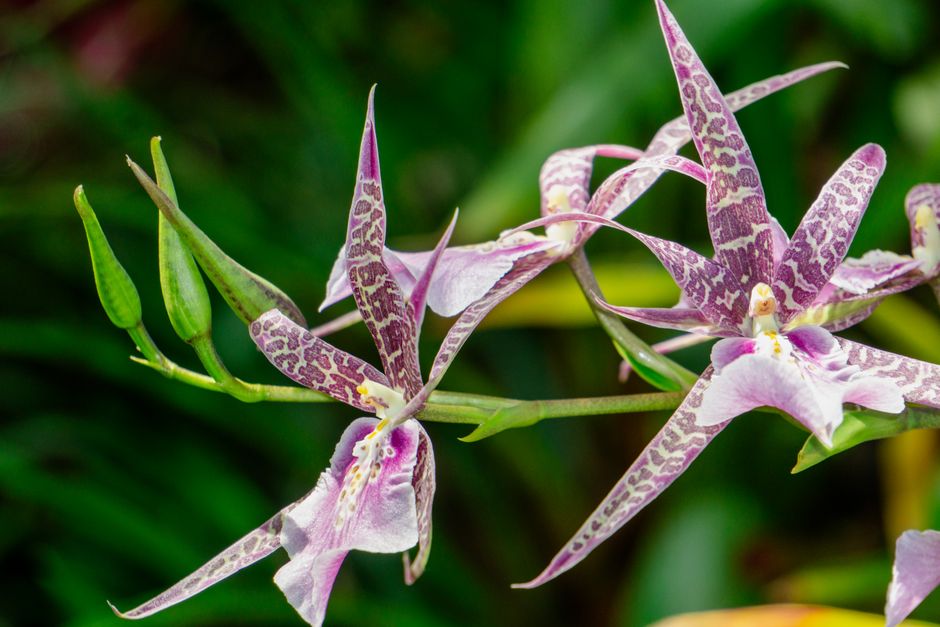
Bratonia, a stunning member of the Orchid family, is a popular choice among plant enthusiasts. This beautiful plant boasts elegant, exotic flowers that come in a variety of vibrant colors, adding a touch of elegance to any indoor space. Its unique characteristics, combined with relatively easy care, make Bratonia a perfect fit for those who appreciate a low-maintenance yet visually striking addition to their home or office.
Origin and History
Bratonia originates from tropical regions, where it thrives in warm temperatures and high humidity. Over time, it has adapted to indoor environments and is now widely cultivated and admired worldwide.
Why People Love Bratonia
Bratonia's captivating appearance and relatively low-maintenance care requirements make it an attractive choice for many plant enthusiasts. Its elegant flowers and delicate foliage add a touch of sophistication to any room, while its ability to tolerate some neglect makes it perfect for busy individuals or those new to plant parenthood.
Who It Suits Best
Bratonia is an excellent choice for both beginners and experienced growers, as it requires minimal care and attention. Its adaptability to different lighting conditions and watering schedules makes it suitable for various environments and living situations. However, it is essential to note that Bratonia does require some level of care, particularly when it comes to watering and fertilizing.
Light Requirements
Ideal Light Conditions
Bratonia thrives in bright, indirect light but can tolerate some direct sunlight. However, direct exposure to intense sunlight can cause scorching, especially during peak hours. To prevent this, it is recommended to place the plant near an east- or west-facing window.
Signs of Too Much/Too Little Light
- Too little light: foliage may become stretched or leggy, flowers may be fewer or smaller.
- Too much light: leaves may become scorched or develop brown spots, flowers may drop or become discolored.
Window Placement Tips
- East-facing windows: ideal for Bratonia, as they provide gentle morning sunlight.
- West-facing windows: suitable for Bratonia, as they offer soft afternoon sunlight.
- South-facing windows: may require shading, especially during peak hours, to prevent scorching.
- North-facing windows: not ideal, as they provide minimal light.
Watering Guide
Frequency
Bratonia requires regular watering, but overwatering can be detrimental to the plant. A general rule of thumb is to water once a week during the growing season (spring and summer) and once every 10-14 days during the dormant season (fall and winter).
Method (Top vs Bottom Watering)
- Top watering: pour water slowly over the pot, allowing excess water to drain through the drainage holes.
- Bottom watering: place the pot in a saucer filled with water, allowing the plant to absorb water through the drainage holes.
Signs of Overwatering/Underwatering
- Overwatering: yellowing leaves, soft stems, and root rot.
- Underwatering: wilted leaves, dry stems, and a decrease in flower production.
Seasonal Adjustments
- Growing season (spring and summer): increase watering frequency to once a week.
- Dormant season (fall and winter): reduce watering frequency to once every 10-14 days.
Soil & Potting
Ideal Soil Mix
Bratonia prefers a well-draining potting mix specifically designed for orchids. A mix that contains a combination of sphagnum moss, perlite, and vermiculite will provide optimal drainage and aeration.
Drainage Requirements
- Ensure the pot has drainage holes to prevent waterlogged soil.
- Use a pot with a wide mouth to facilitate easy watering and maintenance.
Pot Material Recommendations
- Ceramic or terracotta pots are ideal, as they allow for proper air circulation and moisture regulation.
- Avoid using plastic pots, as they can retain excess moisture and cause root rot.
Pot Size Guide
- Small pots (4-6 inches): suitable for young or small Bratonia plants.
- Medium pots (8-10 inches): ideal for mature Bratonia plants.
- Large pots (12 inches or more): may require more frequent watering and pruning.
Temperature & Humidity
Ideal Ranges
- Temperature: 18-22°C (64-72°F) during the day and 15-18°C (59-64°F) at night.
- Humidity: 40-70% relative humidity.
Seasonal Considerations
- Growing season (spring and summer): maintain a slightly higher humidity level (50-70%) to promote healthy growth.
- Dormant season (fall and winter): reduce humidity levels to 40-50% to prevent overwatering.
Boosting Humidity if Needed
- Use a humidifier to maintain optimal humidity levels.
- Place the plant on a tray filled with water and pebbles to create a microclimate.
Fertilizing
Type of Fertilizer
- Balanced, water-soluble fertilizers (20-20-20) specifically designed for orchids are ideal.
- Avoid using fertilizers high in phosphorus, as they can promote root growth at the expense of flowering.
Frequency
- Fertilize once a month during the growing season (spring and summer).
- Fertilize once every 2-3 months during the dormant season (fall and winter).
Growing Season vs Dormancy
- During the growing season, fertilize once a month to promote healthy growth and flowering.
- During dormancy, reduce fertilization to once every 2-3 months to prevent overfertilization.
Common Problems
1. Yellowing Leaves
- Cause: Overwatering or root rot.
- Solution: Reduce watering frequency, repot the plant in fresh, well-draining soil.
2. Wilting Leaves
- Cause: Underwatering or dry soil.
- Solution: Increase watering frequency, ensure the pot has proper drainage.
3. No Flowering
- Cause: Lack of light, inadequate fertilization, or insufficient humidity.
- Solution: Provide brighter, indirect light, fertilize regularly, and maintain optimal humidity levels.
4. Pests or Diseases
- Cause: Infestation by pests (mealybugs, spider mites) or fungal infections (root rot, leaf spot).
- Solution: Isolate the plant, treat with insecticidal soap or neem oil, and improve air circulation.
Frequently Asked Questions
Q: How often should I water my Bratonia?
A: Water your Bratonia once a week during the growing season (spring and summer) and once every 10-14 days during the dormant season (fall and winter).
Q: What type of fertilizer is best for Bratonia?
A: Balanced, water-soluble fertilizers (20-20-20) specifically designed for orchids are ideal.
Q: Can I grow Bratonia in a low-light environment?
A: While Bratonia can tolerate some low light, it will not thrive in extremely low-light conditions. Provide bright, indirect light for optimal growth and flowering.
Q: Why are my Bratonia leaves turning brown?
A: Brown leaves may be a sign of overwatering, underwatering, or exposure to too much direct sunlight. Adjust your watering schedule and ensure the plant is receiving proper light.