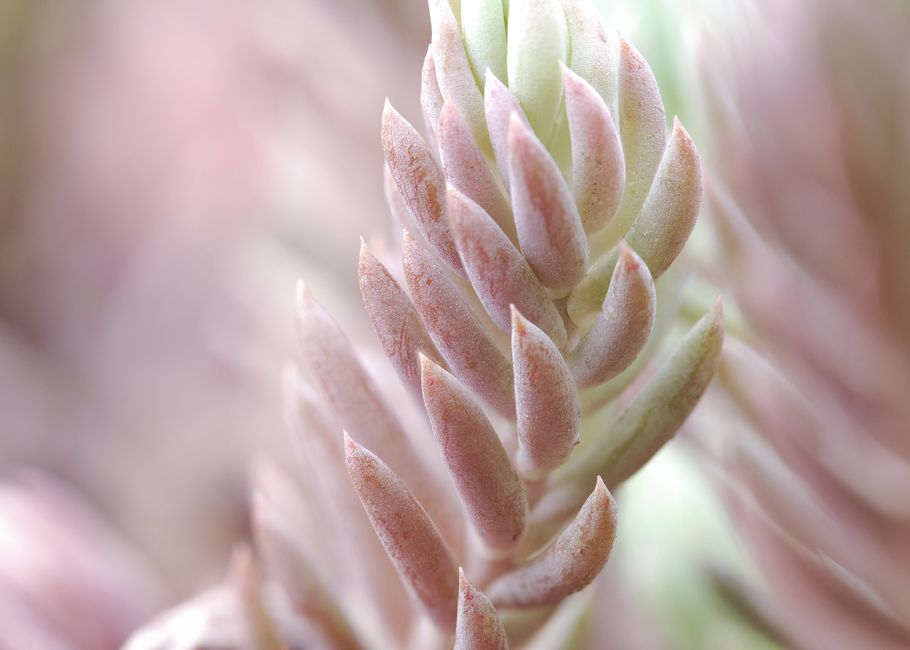
Succinanthera

Photo by Andrew Schwark on Pexels

Succinanthera Care Guide: Light, Watering, Soil & Essential Tips

Succinanthera

Overview

The Succinanthera, a captivating genus within the Orchidaceae family, stands out as a true jewel among horticultural enthusiasts. Renowned for its exquisite and often intricate blooms, Succinanthera captivates with a unique blend of delicate beauty and robust resilience. Originating from the humid, dappled understories of tropical rainforests across Southeast Asia and parts of Oceania, these epiphytic orchids thrive by clinging to trees, absorbing moisture and nutrients from the air and decaying organic matter. Their natural habitat, characterized by warm temperatures, high humidity, and filtered light, provides the blueprint for successful cultivation at home.

What makes Succinanthera particularly special is its remarkable floral display. While individual species within the genus may vary, common characteristics include vibrant, long-lasting flowers, often exhibiting a velvety texture or a subtle, enchanting fragrance that becomes more pronounced during specific times of the day. Some varieties boast unusually shaped petals or distinctive patterns, making each bloom a miniature work of art. Beyond their aesthetic appeal, Succinanthera plants are cherished for their ability to bring a touch of exotic elegance and tranquility to any indoor space, along with their contribution to improving indoor air quality.

Succinanthera appeals to a broad spectrum of plant lovers, from the dedicated hobbyist to those seeking a sophisticated botanical statement. While not considered an absolute beginner's plant due to its specific environmental needs, it is far from an expert-only challenge. With attentive care and an understanding of its native conditions, Succinanthera can be a highly rewarding plant for intermediate growers. It suits individuals who are willing to observe their plants closely, adjust care routines seasonally, and appreciate the nuances of orchid cultivation. While it may not be ideal for the extremely busy or neglectful individual, its relatively forgiving nature, once its basic requirements are met, allows for a fulfilling long-term relationship with this magnificent orchid. The satisfaction of coaxing these stunning plants into bloom is a significant draw for many, transforming a simple indoor plant into a dynamic, living spectacle.

Light Requirements

Providing the correct light conditions is paramount for the health and blooming success of Succinanthera orchids. These plants thrive in bright, indirect light, mimicking the filtered sunlight they receive beneath the canopy of tropical trees in their natural habitat. Direct, harsh sunlight, especially during the hottest parts of the day, can be detrimental, while insufficient light will hinder their ability to flower.

An ideal placement for Succinanthera is typically an east-facing window, which provides gentle morning sun. A north-facing window might offer sufficient light in brighter climates, but often proves too dim, leading to a lack of flowering. South or west-facing windows can work, but require a sheer curtain or other form of diffusion to protect the plant from intense midday and afternoon sun, which can quickly scorch delicate leaves. The goal is to provide ample brightness without direct exposure.

Signs of too much light include yellowing or bleached leaves, often accompanied by reddish or purplish tints as the plant attempts to protect itself from excessive UV radiation. In severe cases, brown or black spots, known as leaf scorch, will appear, indicating irreversible tissue damage. If these symptoms are observed, the plant should be immediately moved to a shadier location or provided with additional light diffusion.

Conversely, signs of too little light are also evident. Leaves may become unusually dark green and elongated, a condition known as etiolation, as the plant stretches to find more light. The most common symptom of insufficient light, however, is a lack of blooming. A Succinanthera that appears otherwise healthy but consistently fails to produce flower spikes is often suffering from inadequate light exposure. In such cases, gradually moving the plant to a brighter, yet still indirect, location can stimulate flowering. Monitoring leaf color and growth patterns provides the best indication of whether the light conditions are optimal. A healthy Succinanthera will typically have medium green leaves that are firm and upright.

Watering Guide

Proper watering is one of the most critical aspects of Succinanthera care, requiring a delicate balance to avoid both overwatering and underwatering. As epiphytes, these orchids prefer their roots to dry out somewhat between waterings, rather than remaining constantly saturated. The frequency of watering depends heavily on several factors including the potting mix, pot size and material, ambient temperature, and humidity levels.

As a general guideline, Succinanthera should be watered when its potting medium is nearly dry. For most growers, this translates to watering approximately every 7 to 10 days during active growth periods (typically spring and summer) and potentially less frequently, every 10 to 14 days, during cooler, dormant periods (autumn and winter). The best way to determine if watering is needed is to feel the weight of the pot – a dry pot will feel significantly lighter – or to insert a wooden skewer into the potting mix; if it comes out dry, it's time to water. For plants in clear pots, observing the root color is a reliable indicator: silvery-white roots indicate dryness, while plump, green roots suggest adequate moisture.

The preferred watering method involves thoroughly drenching the potting mix. This can be achieved by placing the pot in a sink and allowing lukewarm water to run through the medium for several minutes, ensuring all parts of the root system are hydrated. Alternatively, some growers prefer to soak the pot in a basin of water for 15-30 minutes, allowing the mix to fully absorb moisture. Regardless of the method, it is crucial to allow the pot to drain completely before returning it to its display location. Standing water around the roots or in the crown of the plant can lead to root rot or crown rot, both of which are serious and often fatal conditions. Care should be taken to avoid getting water directly into the crown (where the leaves emerge) to prevent rot.

Signs of overwatering include yellowing, mushy leaves, and soft, brown, or black roots that easily disintegrate when touched. The potting mix may also develop a stale or sour odor. If these symptoms appear, immediate action is required to repot the plant into fresh, dry media after trimming any rotted roots. Conversely, signs of underwatering manifest as shriveled, wrinkled leaves, especially in varieties that possess pseudobulbs or other water storage organs, which may appear shrunken. Roots will look desiccated and crispy. While underwatering is less immediately fatal than overwatering, prolonged dryness will weaken the plant and prevent blooming. Adjusting watering frequency based on these visual cues and environmental conditions is key to maintaining a healthy Succinanthera.

Soil & Potting

The choice of potting medium and pot is fundamental to the health of Succinanthera orchids, reflecting their epiphytic nature and need for excellent aeration around their roots. Unlike terrestrial plants, orchids do not grow in dense soil; instead, their roots require significant air circulation and rapid drainage to prevent rot.

The ideal potting mix for Succinanthera is a coarse, free-draining blend specifically formulated for orchids. Common components include fir bark, sphagnum moss, perlite, charcoal, and sometimes coco coir or lava rock. A good mix allows water to pass through quickly while retaining sufficient moisture for the roots to absorb. Fir bark provides excellent drainage and aeration, breaking down slowly over time. Sphagnum moss is excellent for moisture retention, but should be used judiciously in combination with bark to prevent the mix from becoming too dense and waterlogged. Perlite and charcoal further enhance drainage and aeration. The specific ratio can be adjusted based on the grower's watering habits and ambient humidity; those who tend to water more frequently or live in high-humidity environments might opt for a mix with a higher bark content, while those in drier climates might include more sphagnum moss.

Excellent drainage is non-negotiable. Succinanthera roots abhor stagnant water. Pots must have ample drainage holes at the bottom to allow excess water to escape freely. Pot material also plays a significant role. Clear plastic pots are highly recommended, particularly for beginners, as they allow growers to easily inspect the roots for signs of health (green and plump indicate hydration, silvery-white indicate dryness) and to monitor moisture levels in the potting mix. Terracotta pots offer superior aeration due to their porous nature, which allows the mix to dry out faster, but they also wick away moisture more quickly, requiring more frequent watering. Glazed ceramic pots retain moisture longer and offer less aeration, making them suitable only if drainage holes are generous and the potting mix is exceptionally coarse.

When it comes to pot size, Succinanthera generally prefers to be slightly root-bound rather than in an oversized pot. A pot that is too large will hold too much moisture, increasing the risk of root rot. The general rule is to choose a pot that comfortably accommodates the root ball with only about an inch of space around the perimeter. Repotting is typically necessary every 1 to 2 years, or when the potting mix begins to break down and become mushy, or when the plant has significantly outgrown its current pot. Repotting should ideally be done after flowering, when new root growth is just beginning, to minimize stress on the plant.

Temperature & Humidity

Maintaining appropriate temperature and humidity levels is critical for the thriving of Succinanthera orchids, closely mimicking their native tropical environment. These epiphytes are generally considered to be intermediate to warm-growing orchids, preferring stable conditions without extreme fluctuations.

The ideal daytime temperature range for Succinanthera is between 20°C and 28°C (68°F to 82°F). During the night, a slight temperature drop is beneficial and often essential for encouraging flowering. A nighttime temperature range of 15°C to 20°C (59°F to 68°F) is considered optimal, providing a diurnal temperature differential of 5-8°C (9-14°F). Consistent temperatures within these ranges promote robust growth and healthy root development. Seasonal considerations involve protecting the plant from extreme cold drafts in winter and excessive heat in summer. Avoid placing Succinanthera near open windows during cold weather or directly above heat vents, as sudden temperature drops or dry, hot air can stress the plant. Conversely, ensure good air circulation during hot periods to prevent fungal issues.

High humidity is a non-negotiable requirement for Succinanthera. In their natural habitat, these orchids experience humidity levels ranging from 60% to 80%. Replicating this at home is crucial for preventing dehydration, especially for their aerial roots, and for supporting overall plant vigor. Humidity levels below 50% can lead to shriveled leaves, stunted growth, and susceptibility to pests like spider mites.

There are several effective methods to boost humidity around Succinanthera plants:

  • Pebble Trays: Placing the orchid pot on a tray filled with pebbles and water, ensuring the bottom of the pot does not sit directly in the water, allows for localized humidity as the water evaporates.
  • Humidifiers: An electric humidifier is the most effective way to maintain consistent high humidity levels, particularly in drier indoor environments or during winter months when heating systems reduce ambient moisture.
  • Grouping Plants: Placing several plants together creates a microclimate with higher humidity due to transpiration from their leaves.
  • Misting: While misting can provide a temporary boost, it is generally not a sustainable solution for consistent high humidity and can sometimes promote fungal growth if water sits on leaves for too long without adequate air circulation. If misting, ensure good air movement and use fine mist early in the day so leaves dry before nightfall.

Consistent air circulation, achieved with a gentle fan, is also important, especially in high-humidity environments. This helps prevent the development of fungal and bacterial diseases by ensuring that moisture does not linger excessively on leaves or in the potting medium.

Fertilizing

Fertilizing Succinanthera orchids correctly is vital for promoting vigorous growth and abundant flowering, but it requires a careful approach to avoid over-fertilization, which can damage sensitive orchid roots. As epiphytes, these plants are adapted to receiving dilute nutrients from rainwater and decaying organic matter, so a "weakly, weekly" or "weakly, bi-weekly" regimen is generally recommended.

The type of fertilizer used should be specifically formulated for orchids. A balanced fertilizer, such as a 20-20-20 NPK ratio, is suitable for general growth. Some growers opt for a "bloom booster" fertilizer with a higher phosphorus content (e.g., 10-30-20) as the plant approaches its flowering season, though a consistent balanced fertilizer often suffices. Crucially, the fertilizer should be applied at a significantly diluted strength – typically ¼ to ½ of the strength recommended on the product label for other houseplants.

Fertilizing frequency is closely tied to the plant's growth cycle. During the active growing season, which usually corresponds to spring and summer when temperatures are warmer and light is more intense, Succinanthera can be fertilized every 1 to 2 weeks. As the plant enters a period of reduced growth or dormancy in autumn and winter, fertilization should be reduced to once a month or stopped entirely. Over-fertilization during dormancy can lead to salt buildup and root burn.

Regardless of the frequency, it is essential to "flush" the potting medium with plain water once a month. This involves thoroughly watering the plant with clear water until it drains freely, helping to wash away any accumulated mineral salts from the fertilizer. Salt buildup can burn roots and impair the plant's ability to absorb water and nutrients. Signs of over-fertilization include blackened root tips, burned leaf edges, or a white crust forming on the potting medium or pot. If these symptoms appear, cease fertilization immediately and flush the pot thoroughly. Always fertilize a plant that has already been watered, never a dry plant, as this can cause severe root burn.

Common Problems

Despite their resilience, Succinanthera orchids can encounter a few common issues, often stemming from improper environmental conditions or care practices. Understanding the symptoms, causes, and solutions can help growers quickly address problems and maintain healthy plants.

1. Root Rot

  • Symptoms: Yellowing, drooping leaves; soft, mushy, brown or black roots that easily pull apart; a stale or foul odor emanating from the potting mix. The plant may appear generally unhealthy and struggle to absorb water.
  • Causes: Primarily overwatering, especially when combined with a dense, poorly draining potting mix or insufficient air circulation around the roots.
  • Solutions: Immediately remove the plant from its pot. Carefully inspect the roots and use sterile scissors to trim away all diseased, mushy, or discolored roots back to healthy, firm tissue. Repot the plant into fresh, dry, well-draining orchid potting mix and a clean pot, ensuring adequate drainage. Adjust watering frequency and improve air circulation to prevent recurrence.

2. Lack of Blooms

  • Symptoms: The plant appears otherwise healthy with green leaves and robust growth, but consistently fails to produce flower spikes.
  • Causes: The most common causes are insufficient light, lack of a crucial night-time temperature drop, or improper fertilization (either too much nitrogen promoting leaf growth at the expense of flowers, or insufficient general nutrients).
  • Solutions: Evaluate and adjust light exposure, ensuring the plant receives bright, indirect light. Provide the recommended diurnal temperature differential (cooler nights). Ensure a balanced fertilization regimen, fertilizing during active growth and flushing regularly. Patience is also key, as some orchids have specific blooming seasons.

3. Pests (Mealybugs, Scale, Spider Mites)

  • Symptoms:
    • Mealybugs: Small, white, cottony masses primarily found in leaf axils, on undersides of leaves, or on flower spikes. Sticky residue (honeydew) may be present.
    • Scale: Small, hard, brown or black bumps (shelled insects) adhering to leaves and stems. Like mealybugs, they excrete honeydew.
    • Spider Mites: Fine webbing on leaves and stems, tiny red or brown dots (mites) visible, and stippling (tiny yellow or silver spots) on leaves from feeding damage. Thrives in low humidity.
  • Causes: Often introduced from new plants, or can appear if plants are stressed, particularly by low humidity (spider mites).
  • Solutions: Isolate affected plants immediately. For mild infestations, wipe pests off with a cotton swab dipped in rubbing alcohol. For more severe cases, apply insecticidal soap or neem oil spray, ensuring thorough coverage of all plant surfaces, especially undersides of leaves. Repeat treatment every 7-10 days for several weeks to break the pest lifecycle. Increase humidity to deter spider mites.

4. Leaf Scorch

  • Symptoms: Brown, crispy, or blackened patches on leaves, often appearing suddenly, particularly after a period of intense sunlight. The affected areas are usually dry to the touch.
  • Causes: Direct exposure to intense sunlight, especially during the hottest parts of the day or when the plant is moved from a shadier spot to a brighter one without acclimation.
  • Solutions: Immediately move the plant to a location with bright, indirect light or provide shade with a sheer curtain. While the damaged leaf tissue will not recover, preventing further exposure will allow the plant to produce new, healthy leaves. Ensure good air circulation to help dissipate heat around the plant.

Frequently Asked Questions

Q: How often should I repot my Succinanthera?

Succinanthera typically needs repotting every 1 to 2 years, or when the potting medium begins to break down and become soggy, or when the plant's roots have significantly outgrown the pot. The best time to repot is usually after flowering, when new root growth is just starting.

Q: Why are my Succinanthera leaves turning yellow?

Yellowing leaves can indicate several issues, most commonly overwatering leading to root rot, or occasionally underwatering causing dehydration. It can also be a sign of insufficient light, nutrient deficiencies, or simply the natural aging and shedding of older leaves. Assess your watering habits, light conditions, and inspect the roots for health.

Q: What's the best way to encourage my Succinanthera to rebloom?

To encourage reblooming, ensure the plant receives bright, indirect light, a consistent night-time temperature drop of 5-8°C (9-14°F), and a balanced fertilization regimen during active growth. Adequate humidity and proper watering are also crucial for overall plant health, which contributes to flowering potential.

Q: Can Succinanthera be grown outdoors?

Succinanthera can be grown outdoors only in specific tropical or subtropical climates where temperatures consistently remain within their preferred range (above 15°C/59°F at night) and humidity is naturally high. In most regions, it is best cultivated indoors where its environmental needs can be precisely controlled and protected from frost or excessive direct sun.

Last updated: May 2, 2026