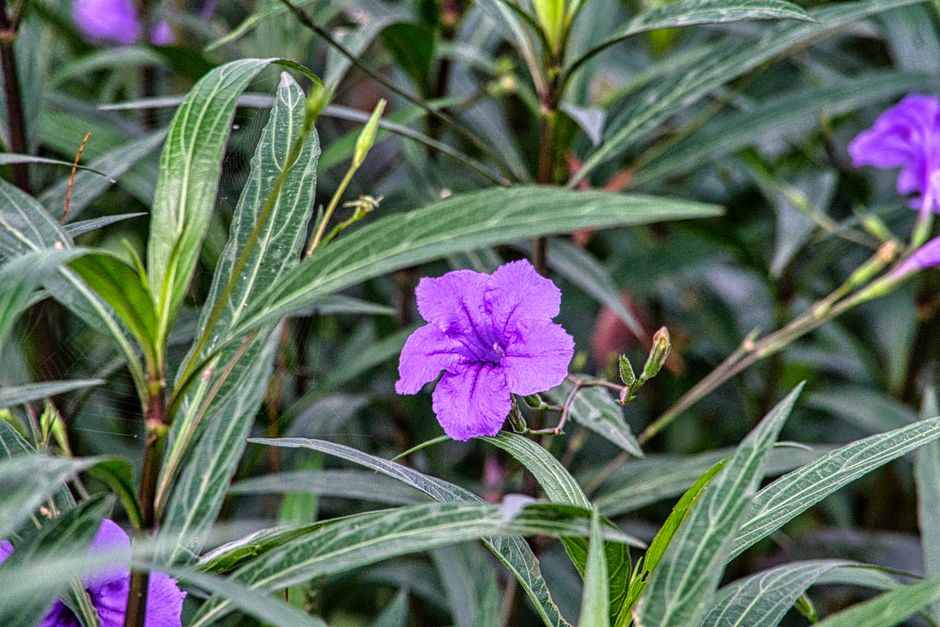
Overview
Verhuellia, a member of the Piperaceae family, is a unique and intriguing plant that has captured the hearts of many plant enthusiasts. Native to tropical regions, Verhuellia thrives in warm and humid environments, making it an excellent choice for those who want to bring a touch of the tropics into their homes. This plant is perfect for beginners and experienced growers alike, as it is relatively low-maintenance and adaptable to various conditions. However, Verhuellia does require some attention to its specific needs, which we will delve into in the following sections.
Verhuellia is a popular choice among plant enthusiasts due to its striking foliage, which features vibrant colors and intricate patterns. The plant's compact growth habit and moderate size make it an ideal addition to any room, whether it's a small apartment or a spacious living area. Verhuellia also has air-purifying properties, making it a great choice for those who value indoor air quality.
Light Requirements
Verhuellia thrives in bright, indirect light, but direct sunlight can be too intense for the plant. Ideally, Verhuellia should be placed near an east- or west-facing window, where it can receive gentle, filtered light. Avoid placing the plant in direct sunlight, especially during peak hours, as this can cause the leaves to become scorched and discolored.
Signs of too much light include:
- Leaves becoming pale or discolored
- Leaf edges becoming crispy or brown
- Plant growth slowing down
On the other hand, Verhuellia can tolerate low light conditions, but it may not thrive as well as it would in brighter conditions. Signs of too little light include:
- Slow plant growth
- Leaves becoming stretched or leggy
- Plant losing its vibrant colors
To ensure optimal light conditions, growers should consider the following:
- Use sheer curtains or blinds to filter direct sunlight
- Rotate the plant every 1-2 weeks to maintain even light distribution
- Avoid placing the plant in a corner or against a wall, as this can create a dead spot
Watering Guide
Verhuellia prefers to stay moist, but not waterlogged. The ideal watering frequency is every 7-10 days during the growing season (spring and summer) and every 4-6 weeks during the dormant season (fall and winter). It's essential to water the plant thoroughly, allowing excess water to drain from the pot.
Growers can use either top watering or bottom watering methods, depending on their preference. Top watering involves pouring water directly onto the soil, while bottom watering involves placing the pot in a tray filled with water, allowing the plant to absorb the water through the drainage holes.
Signs of overwatering include:
- Water pooling around the base of the plant
- Leaves becoming yellow or developing brown tips
- Plant growth slowing down
Signs of underwatering include:
- Leaves becoming wrinkled or dehydrated
- Plant growth slowing down
- Soil becoming dry to the touch
To adjust watering frequency, growers should consider the following:
- Increase watering frequency during hot, dry spells
- Decrease watering frequency during cool, moist spells
- Monitor soil moisture by sticking your finger into the soil up to the first knuckle
Soil & Potting
Verhuellia prefers well-draining soil that is rich in organic matter. A mix specifically designed for tropical plants or a general-purpose potting mix can work well. Avoid using soil that is too dense or heavy, as this can cause water to accumulate and lead to root rot.
The ideal pot size for Verhuellia is around 6-8 inches deep and 8-10 inches wide. This size allows for adequate root growth and prevents the soil from becoming too dry. Growers can use a variety of pot materials, including terracotta, ceramic, or plastic. However, terracotta pots are recommended, as they allow for better air circulation and moisture regulation.
To ensure optimal potting conditions, growers should consider the following:
- Use a pot with good drainage holes to prevent waterlogged soil
- Avoid over-potting, as this can cause the plant to become waterlogged
- Repot the plant every 1-2 years to refresh the soil and provide a larger pot if necessary
Temperature & Humidity
Verhuellia thrives in temperatures between 18-24°C (64-75°F) during the day and around 15-18°C (59-64°F) at night. Growers should avoid placing the plant near heating or cooling vents, fireplaces, or drafty windows, as this can cause temperature fluctuations.
Ideal humidity levels for Verhuellia range from 50-70%. However, growers can easily boost humidity levels by placing the plant on a tray filled with water and pebbles or using a humidifier.
To adjust temperature and humidity levels, growers should consider the following:
- Maintain a consistent temperature between 18-22°C (64-72°F) during the growing season
- Reduce temperature by 2-3°C (3.6-5.4°F) during the dormant season
- Increase humidity levels during dry spells or in dry environments
Fertilizing
Verhuellia benefits from regular fertilization during the growing season. Growers can use a balanced, water-soluble fertilizer (20-20-20) at a concentration of 1-2 teaspoons per gallon of water. Apply the fertilizer once a month, watering the plant thoroughly after application.
During the dormant season, growers can reduce fertilization to once every 2-3 months, using a half-strength solution. To avoid burning the roots, growers should never fertilize the plant when the soil is dry.
Common Problems
Verhuellia can be susceptible to several common problems, including:
- Root rot: caused by overwatering, leading to yellowing leaves and a soft, mushy stem. Solution: repot the plant in fresh, well-draining soil and adjust watering frequency.
- Pests: such as mealybugs, spider mites, or scale insects, which can cause white, cottony patches or small, moving dots on the leaves. Solution: treat the plant with insecticidal soap or neem oil, and isolate the plant to prevent re-infestation.
- Leaf drop: caused by sudden changes in temperature or humidity, leading to yellowing or dropping leaves. Solution: adjust temperature and humidity levels, and ensure the plant is receiving adequate light and water.
- Yellowing leaves: caused by overfertilization, underwatering, or root rot, leading to yellowing or browning leaves. Solution: adjust fertilization frequency, watering schedule, and repot the plant in fresh, well-draining soil if necessary.
Frequently Asked Questions
Q: Can I grow Verhuellia outdoors?
A: Yes, Verhuellia can thrive in tropical regions, but it requires protection from extreme temperatures, direct sunlight, and wind. Growers should provide a shaded area with consistent moisture and humidity.
Q: How often should I repot Verhuellia?
A: Verhuellia typically needs to be repotted every 1-2 years, when the plant has outgrown its container or the soil has broken down. Growers should choose a pot that is only 1-2 sizes larger than the original pot to prevent the soil from becoming too dry.
Q: Can I propagate Verhuellia through stem cuttings?
A: Yes, Verhuellia can be propagated through stem cuttings, but it's essential to use fresh, healthy cuttings and provide optimal rooting conditions, such as bright, indirect light and consistent moisture.
Q: Is Verhuellia toxic to pets or humans?
A: Verhuellia is non-toxic to pets and humans, but it's essential to keep the plant out of reach of curious children and pets to avoid any accidental ingestion.